

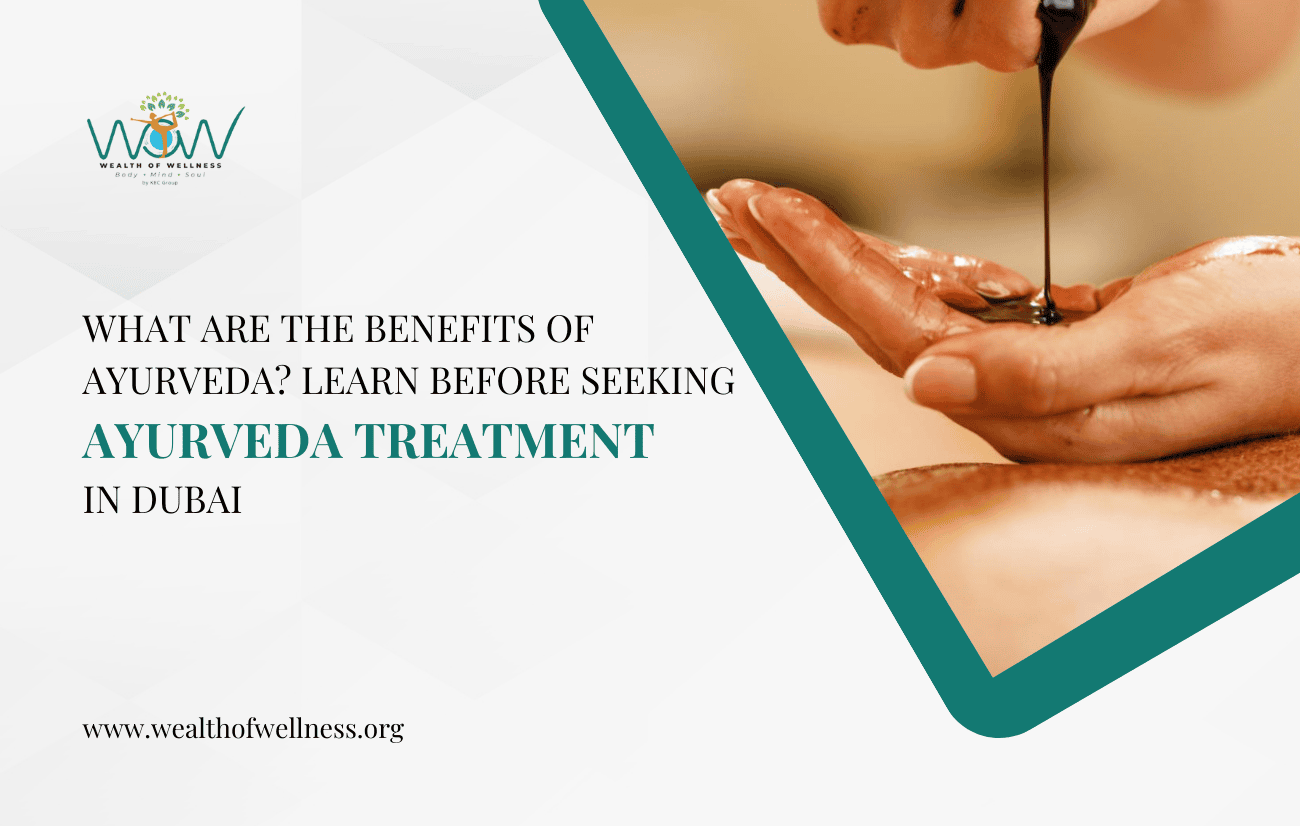
The Benefits of Ayurveda: A Science Backed Guide to Holistic Health
Ayurveda is an ancient health system gaining modern scientific validation. This guide reveals what research confirms about Ayurveda’s wellness benefits, from stress resilience and vibrant digestion to robust immunity and lasting vitality. You’ll discover how Ayurveda’s 5,000-year-old approach supports your unique body type and enhances modern wellness practices. Read on to explore why millions trust Ayurveda for thriving holistic health.
What is Ayurveda?
Ayurveda means “the science of life.” The term comes from two Sanskrit words: “Ayur” (life) and “Veda” (knowledge). This ancient healing system originated in India over 5,000 years ago and remains the world’s most comprehensive personalized wellness framework.
The core principle of Ayurveda is simple: optimal health emerges when your body, mind, and spirit exist in harmonious balance. When these elements align, vitality flourishes. Ayurveda teaches how to recognize and restore this natural harmony.
Ayurveda offers a refreshingly different approach from conventional medicine. While conventional medicine identifies specific symptoms and applies targeted treatments, Ayurveda personalizes wellness based on your unique body constitution and lifestyle. Two people experiencing similar symptoms might receive different supportive practices because their individual foundations differ.
This personalized approach makes Ayurveda remarkably practical for modern life. You discover your natural constitution, align your diet and routine to support that type, and build sustainable wellness from the ground up. Prevention creates lasting health with minimal intervention.
The Three Doshas: Your Wellness Blueprint
Ayurveda uses three concepts called “doshas” to explain how your body naturally functions. These are Vata, Pitta, and Kapha. Each dosha represents a unique combination of natural elements and governs specific body functions.
Vata combines space and air elements. Vata governs movement throughout your body: breathing, circulation, digestive flow, and nervous system signals. People with dominant Vata tend to be creative, energetic, and adaptable. When Vata is well-balanced, you experience enthusiasm, mental clarity, and smooth transitions. Supporting your Vata creates natural ease and dynamic flexibility.
Pitta combines fire and water. Pitta governs metabolism, digestion efficiency, body temperature regulation, and sharp mental function. Pitta-dominant people are natural leaders, focused, driven, and intellectually quick. When Pitta thrives, you experience brilliant concentration, strong digestive fire, and radiant confidence. Nurturing your Pitta creates mental sharpness and metabolic vitality.
Kapha combines earth and water. Kapha provides structure, stability, and nourishment to your entire being. It governs joints, immune resilience, and emotional groundedness. Kapha-dominant people are naturally calm, loyal, and compassionate. When Kapha is balanced, you experience stable energy, emotional warmth, and protective immunity. Cultivating your Kapha creates lasting strength and emotional depth.
Most people naturally express all three doshas in unique combinations. Understanding your constitutional makeup helps you make choices that reinforce your natural strengths. A Vata person thrives with warming, grounding practices. A Pitta person flourishes with cooling, calming approaches. A Kapha person energizes through stimulating movement and experiences. This customization is why Ayurveda works beautifully for each individual.
Science-Backed Wellness Benefits of Ayurveda
Modern research now validates many traditional Ayurvedic approaches. Here are the wellness benefits supported by scientific evidence.
Enhanced Stress Resilience and Calm
Research published in major wellness studies shows ashwagandha helps maintain a healthy stress response and promotes nervous system balance. People using ashwagandha report improved sleep quality and greater emotional ease within weeks. This makes it one of the most validated Ayurvedic supports in scientific research.
Meditation and yoga, core Ayurvedic practices, have strong research backing. Studies confirm that meditation cultivates lasting calm and enhances how your brain responds to life’s demands. Regular yoga practice supports healthy blood pressure and stress resilience, effects comparable to established wellness approaches.
Radiant Digestive Health
Digestive wellness is central to Ayurveda. Several Ayurvedic herbs naturally enhance digestion through well-understood mechanisms. Ginger stimulates digestive enzymes, creating smooth digestion and enhanced nutrient absorption. Cumin works similarly, promoting natural stomach function for efficient food processing.
Triphala, a three-herb blend used for centuries, offers antioxidant and gut-supportive properties. Research on traditional formulations confirms Triphala gently restores natural digestive function and supports healthy elimination. Unlike harsh approaches, Triphala works with your body’s natural wisdom.
Natural Anti-Inflammatory Support
Modern lifestyles benefit from natural inflammation support. Ayurvedic herbs excel at promoting healthy inflammatory responses through natural mechanisms. Turmeric’s active compound, curcumin, is recognized in wellness research for its supportive properties. Studies show turmeric supports healthy inflammation markers, with outstanding safety.
Other Ayurvedic herbs like ginger, brahmi, and ashwagandha also support healthy inflammatory responses. Combined, these create a comprehensive, natural approach that works across multiple body systems.
Cardiovascular Wellness
Research on Ayurvedic approaches incorporating yoga, meditation, breathing exercises, and herbs has shown positive results for cardiovascular support. When applied systematically, Ayurveda demonstrates its potential for supporting cardiovascular vitality. This integrated approach addresses multiple aspects of heart health simultaneously.
Sharper Focus and Memory
Brahmi is an Ayurvedic herb traditionally used for mental clarity. Studies on brahmi have gained recognition for enhancing concentration, memory retention, and mental sharpness. This is particularly valuable for students, professionals, and anyone seeking to maintain cognitive vitality.
Robust Immune Function
Ayurvedic herbs contain compounds that naturally strengthen immune function. Ashwagandha acts as an adaptogen; it helps your body adapt beautifully to demands and builds immunity. Regular use of immune-supporting herbs creates natural resilience and seasonal wellness.
Restorative Sleep
Quality sleep is essential for wellness. Ayurveda restores sleep through dosha-specific, personalized approaches. Calming herbs, warm spiced milk, and customized evening routines aligned with your constitution improve sleep naturally. This approach works with your body’s rhythms rather than masking natural needs.
Key Ayurvedic Treatments and Therapies
Understanding specific Ayurvedic treatments helps you explore what might enhance your wellness journey.
Panchakarma: Complete Rejuvenation
Panchakarma means “five actions.” It’s Ayurveda’s most powerful rejuvenation and renewal therapy. Panchakarma consists of specialized treatments that clear accumulated stressors and restore optimal balance.
This is a complete experience spanning weeks. It includes customized oil therapies, herbal steam treatments, and specialized techniques tailored to your unique constitution. Panchakarma therapy addresses joint comfort, digestive optimization, hormonal balance, and nervous system restoration, creating deep, lasting renewal.
Abhyanga: Nourishing Therapeutic Massage
Abhyanga is a warm oil massage customized to your dosha. The massage awakens circulation, nourishes tissues deeply, and invites the nervous system into profound ease. Abhyanga massage uses specific oils and techniques matched to your constitution. Regular abhyanga cultivates radiant skin, supports comfortable movement, and creates blissful relaxation.
Herbal Wisdom
Ayurvedic herbs work through integrated formulations rather than isolated compounds. A thoughtfully crafted formula combines multiple herbs to create balanced, comprehensive support. This integrated approach maximizes benefit while maintaining outstanding safety.
Proven effective herbs include:
- Ashwagandha for resilience, immunity, and sustained energy
- Triphala for vibrant digestion and natural detoxification
- Brahmi for focused attention and inner calm
- Turmeric for healthy inflammatory response
These work beautifully when prescribed by a qualified practitioner who customizes them to your specific constitution.
Yoga and Meditation for Wellness
Yoga and meditation are powerful wellness tools in Ayurveda, not simply exercises. Specific yoga practices and breathing techniques harmonize your doshas and strengthen your natural resilience. Meditation quiets mental noise and invites emotional balance.
Together, yoga and meditation address the deeper roots of wellness. This is why Ayurvedic support always includes these enriching practices.
Ayurveda and Modern Medicine: A Powerful Partnership
Many people wonder how Ayurveda works with conventional medicine. The answer is beautifully simple: they complement each other.
Conventional medicine excels at acute care. For emergencies, surgery, or urgent needs, modern medicine provides invaluable expertise and tools. Modern diagnostics and pharmaceuticals deliver remarkable results in acute situations.
Ayurveda excels at long-term wellness, vitality, and preventive support. Ayurveda identifies opportunities for optimization and restores the underlying harmony that creates lasting health.
The integration of traditional and modern medicine gains strength and acceptance. Healthcare institutions increasingly recognize that combining traditional wisdom with modern science creates comprehensive wellness approaches.
The most effective approach combines both wisely. Use modern medicine’s expertise for acute situations while using Ayurveda for long-term wellness, vitality, and preventive support. Many people successfully integrate both, maintaining recommended treatments while using Ayurveda to enhance overall wellness and build resilience over time.
Safety and Evidence: An Honest Perspective
Safety is paramount in wellness choices. The excellent news: Ayurveda has an outstanding safety record spanning 5,000 years of continuous use.
Ayurvedic herbs have been used successfully for millennia with well-documented effects. This extensive history provides a safety foundation that emerging treatments lack. Ayurvedic approaches are remarkably well-tolerated with minimal side effects.
Ayurveda’s evidence base continues to expand through rigorous research. Many wellness practices benefit from expanded research, while others have strong supportive evidence.
What evidence strongly supports: stress resilience, natural wellness support, digestive optimization, and immune enhancement. These benefits have demonstrated effectiveness.
What continues to evolve: specific applications for various wellness goals and optimal personalized protocols.
Wellness guidelines for best results:
- Consult a qualified Ayurvedic practitioner for accurate assessment
- Share all Ayurvedic approaches with your healthcare provider
- Continue recommended treatments while exploring Ayurvedic support
- Source herbs from established practitioners offering verified, tested products
- Pregnant women, nursing mothers, and people on specific medications benefit from personalized guidance
Quality creates quality results. Work with established Ayurvedic centers that source verified, tested herbs rather than unvetted suppliers.
Begin Your Ayurvedic Wellness Journey
Starting an Ayurvedic path is straightforward and accessible.
Step 1: Discover Your Constitution
Begin by learning your unique dosha type. Online questionnaires offer initial insight, but professional assessment reveals your complete picture. A qualified practitioner reviews your history and characteristics to identify your true constitution.
Step 2: Schedule Your Consultation
Arrange an Ayurvedic consultation with a qualified practitioner. Share your current wellness goals and what you hope to experience. The practitioner assesses your constitution and recommends specific practices, herbs, and lifestyle enhancements.
Step 3: Begin with Lifestyle Harmony
Implementing dosha-specific practices costs nothing and creates immediate positive shifts. Adjusting meal timing, daily rhythm, and seasonal alignment often creates significant wellness improvements without additional supports.
Step 4: Gradually Introduce Herbal Support
Start with one or two recommended herbs rather than multiple simultaneously. Allow each herb 4–6 weeks to demonstrate its effects before adding others. This approach lets you notice what supports you most and avoids unnecessary additions.
Step 5: Explore Professional Therapies
If lifestyle and herbs create wonderful foundation, consider deepening your wellness with therapies like abhyanga, panchakarma, or specialized treatments. These are most effective when guided by a practitioner who understands your constitution.
Step 6: Notice and Celebrate Progress
Observe positive shifts in energy, digestion, sleep quality, and emotional clarity. Wellness often evolves gradually. Small consistent choices compound into remarkable health transformation across months.
FAQ
FAQs
Q: What can Ayurveda do for me?
A: Ayurveda supports optimal wellness through personalized practices, herbs, and therapies. Early support creates wonderful prevention. More complex situations benefit from combining Ayurveda with modern medicine. The best approach integrates both for complete support.
Q: How quickly will I notice results?
A: Simple wellness optimizations (stress support, mild digestion enhancement) often show results within weeks. More comprehensive wellness goals may flourish across 3–6 months of consistent practice. Deep therapies like Panchakarma create noticeable shifts within the treatment period (2–4 weeks). Consistency matters more than speed.
Q: Are Ayurvedic herbs regulated?
A: Regulation varies by region. In India, Ayurvedic medicines receive AYUSH oversight. Regulations differ in Western countries. This is why sourcing from established, reputable practitioners ensures herb authenticity, quality testing, and appropriate dosing.
Q: Does Ayurveda work for everyone?
A: Absolutely. Ayurveda’s wisdom applies universally to human wellness. Your background doesn’t determine results; your constitution and current wellness goals do. People worldwide experience beautiful benefits from Ayurvedic approaches.
Q: Can I use Ayurveda alongside current medications?
A: Yes, with thoughtful communication. Share all Ayurvedic approaches with your healthcare provider. Most Ayurvedic herbs combine beautifully with conventional medications. Professional guidance from both practitioners ensures seamless, safe integration.
Q: How is Ayurveda different from other wellness approaches?
A: Ayurveda’s dosha framework creates personalization unique to this system. Chinese medicine, naturopathy, and other approaches use different foundational concepts. Ayurveda’s strength is its integration, combining constitutional typing, lifestyle practices, nutrition, herbs, and therapies into one coherent, powerful system.
Q: Is Ayurveda affordable?
A: Absolutely. Initial consultation and herbs cost significantly less than managing complex wellness situations. Panchakarma is an investment that prevents years of ongoing wellness work. Many people discover Ayurveda is more sustainable long-term because support creates lasting wellness rather than temporary management.
Q: How do I know if Ayurveda is right for me?
A: Your curiosity is invitation enough. A consultation clarifies whether Ayurveda addresses your goals. Most people find Ayurvedic support enhances their wellness beautifully, either as primary support or as a powerful complement to other approaches.
Your Path to Thriving Wellness
Ayurveda is an ancient system receiving modern scientific validation. Its research-supported benefits span stress resilience, vibrant digestion, inflammation support, cardiovascular wellness, sharp focus, immune strength, and restorative sleep. More importantly, Ayurveda creates lasting wellness through personalized lifestyle practices aligned with your unique constitution.
This isn’t mythology. Thousands of years of refined practice and growing scientific evidence confirm Ayurveda’s power.
The opportunity isn’t whether Ayurveda works. It’s whether you’re ready to invest in your wellness through personalized support and sustainable practices rather than waiting for wellness to become more complex.
Explore Ayurvedic wellness offerings or schedule your consultation at +971 56 522 7986with a qualified practitioner. Your unique path to radiant, lasting wellness begins with understanding your constitution and taking your first empowering step toward complete harmony.

DR. Aswathy Vishnu
Dr. Aswathy Vishnu, BAMS, MD (Ayurveda) is a qualified Ayurveda physician specializing in pain management, stress-related disorders, metabolic health, and chronic conditions. With advanced training from Amrita Vishwa Vidyapeetham, Kerala, she combines traditional Ayurvedic principles with personalized dietary, lifestyle, and wellness strategies to help patients achieve sustainable health outcomes.


Pingback: The Three Doshas: How To Identify Your Ayurvedic Body Type | Wealth Of Wellness
July 20, 2026