

Njavara Kizhi for Arthritis and Joint Pain: Benefits, Process & Results
Arthritis and Chronic joint pain and affects how you move through your day. You want effective relief that creates real, lasting improvement in your mobility and quality of life. Njavara Kizhi is an ancient Ayurvedic therapy that works by nourishing joint tissues, reducing inflammation, and restoring flexibility from the root cause. This guide explains what Njavara Kizhi is, how it works for arthritis, what to expect during treatment, and whether it’s right for you.
What is Njavara Kizhi?
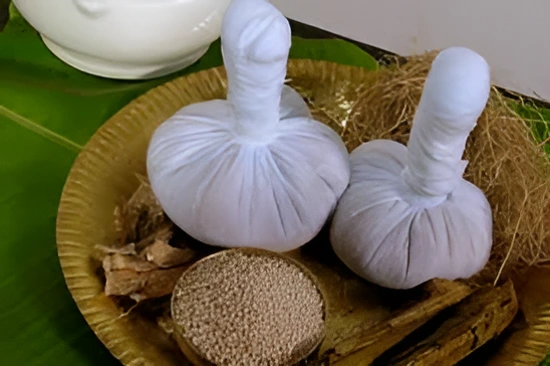
Njavara Kizhi is a traditional Ayurvedic therapy from Kerala that uses warm rice boluses to heal the body. The therapy combines a special medicinal rice variety called Njavara with herbal decoctions, medicated oils, and cow’s milk. These ingredients are cooked together, bundled into muslin pouches, and applied to the body through rhythmic massage.
The term “Kizhi” means a bundle of therapeutic materials tied in cloth. Njavara refers to a rare short-grain rice that grows in just 60 days. This rice carries unique nourishing properties that make it valuable in Ayurvedic medicine. The warm application of Njavara Kizhi creates a deep therapeutic effect on muscles, joints, and nervous tissue.
How Njavara Kizhi Works for Arthritis
Arthritis involves joint inflammation and tissue changes. In Ayurvedic terms, arthritis develops when Vata (the air and space element) becomes imbalanced. Njavara Kizhi addresses this through multiple healing mechanisms.
The warmth from the rice boluses penetrates deep into joint tissue. This warmth increases blood circulation to affected areas. Better circulation brings oxygen and nutrients to damaged joints while removing inflammatory toxins. The herbal decoction in the rice contains anti-inflammatory compounds that reduce swelling and pain at the source.
Njavara rice itself is rich in nourishing qualities. It strengthens muscle fibers surrounding the joints and rebuilds connective tissue. Njavara Kizhi creates comprehensive tissue healing by combining inflammation reduction with deep tissue restoration. This makes it particularly effective for osteoarthritis and rheumatoid arthritis.
The rhythmic massage application activates your body’s natural healing response. This stimulation improves lymphatic drainage and reduces stiffness. Over time, your joints regain flexibility and strength. The therapy also calms the nervous system, which reduces stress-related pain amplification.
Proven Benefits for Arthritis and Joint Pain
Research and clinical experience show that Njavara Kizhi delivers measurable benefits for arthritis. Pain relief is the most immediate benefit. Most people notice reduced joint pain within 3-5 sessions.
Inflammation decreases significantly with regular treatment. The herbs used in Njavara Kizhi, such as Ashwagandha and Shallaki, are scientifically recognized anti-inflammatory compounds. These herbs work with the warmth to calm inflamed joints. Reduced inflammation means less swelling and better mobility.
Improved flexibility and range of motion develop over the full course of treatment. Your joints feel less stiff, especially in the morning. Activities that caused pain become easier. You can walk longer, climb stairs more comfortably, and move with greater freedom.
Muscle strength improves as tissues are nourished and rebuilt. Strong muscles support your joints and reduce strain. This creates a protective effect that lasts beyond the treatment period. Skin health improves as a bonus benefit, since the same nourishing properties that heal joints also rejuvenate skin.
Long-term improvement comes from rebuilding joint tissue at the structural level. This comprehensive healing approach means results improve with each continued session. Many people experience lasting benefits even months after completing treatment.
The Njavara Kizhi Process Step-by-Step
Understanding the treatment process helps you know what to expect and prepare mentally. The therapy is relaxing and non-invasive.
Preparation and Consultation
Your practitioner will discuss your health history and current symptoms. They assess which areas of your body need the most attention. A consultation ensures the treatment is tailored to your specific condition.
Oil Application and Body Preparation
The therapist applies warm medicated oil to your entire body. This oil prepares your skin and helps the therapy penetrate deeper. A cloth is tied around your head to protect it while allowing the treatment to work on your neck and shoulders. You lie on a padded massage table in a comfortable, warm room.
Rice Bolus Creation and Heating
Njavara rice is cooked in a special herbal decoction mixed with cow’s milk until it reaches a soft, porridge-like consistency. The warm rice mixture is bundled into small muslin pouches. These pouches are kept warm in the herbal decoction throughout the session.
Massage Technique and Duration
Two trained therapists work together to massage your body with the warm rice boluses. They use rhythmic, synchronized movements across your muscles and joints. The massage covers your entire body or focuses on problem areas like knees, shoulders, hips, and lower back. The session typically lasts 60-90 minutes. The warmth is therapeutic but never uncomfortably hot.
Perspiration and Cooling Phase
As the massage progresses, your body naturally perspires as it releases toxins and heat. This sweating is a sign that the therapy is working. The perspiration phase lasts about 20-30 minutes. After the massage ends, the therapist gently scrapes away any remaining rice residue with coconut palm leaves.
Post-Treatment Care
You are allowed to rest for 10-15 minutes. After resting, bathe with warm water to support your healing. Warm water helps maintain the therapeutic warmth activated during treatment. Drink warm herbal tea or water to continue nourishing your body. Rest for the remainder of the day if possible to allow your tissues to fully integrate the healing benefits.
Treatment Duration and Expected Timeline
Most people need multiple sessions to experience full benefits. A typical course of treatment consists of 7-14 sessions, customized based on your individual needs and healing response.
Sessions are usually done daily or 5-6 times per week for best results. Consistency matters because each session builds on the previous one. Your tissues need time to heal and strengthen between sessions.
You may notice pain reduction within the first few sessions. Some people feel relief and improved mobility right away. Others experience steady improvement over 2-3 weeks. The pace of improvement reflects your unique healing journey and how your body responds to nourishment and tissue restoration.
Meaningful improvement in flexibility and strength develops over the full course of treatment. After completing 7-14 sessions, most people report significant relief. Many continue with maintenance sessions monthly to sustain results.
Long-term outcomes improve if you combine Njavara Kizhi with lifestyle support. Regular yoga, meditation, and anti-inflammatory diet enhance results. This is why holistic wellness practices complement Kizhi therapy.
Njavara Kizhi vs. Other Kizhi Therapies
Several types of Kizhi therapy exist in Ayurveda. Understanding the differences helps you choose the right treatment for your needs.
Njavara Kizhi (Rice Bolus)
Njavara Kizhi is deeply nourishing and rejuvenating. It rebuilds tissue and is ideal for weakness, muscle wasting, and post-recovery. The rice carries exceptional regenerative properties. This makes it the preferred choice for arthritis that involves tissue damage and degeneration.
Podi Kizhi (Herbal Powder)
Podi Kizhi uses finely ground herbs and minerals tied in cloth bundles. It excels at reducing acute inflammation and stiffness. Podi works well for active inflammation and intense pain. It’s often chosen for rheumatoid arthritis with high inflammation. Podi is excellent for rapid anti-inflammatory action, while Njavara Kizhi emphasizes deep tissue nourishment over time.
Ela Kizhi (Medicated Leaves)
Ela Kizhi uses therapeutic leaves bundled in cloth. It provides a gentler approach focused on stress relief and detoxification. It improves flexibility with a lighter intensity than Podi. Ela is ideal for stress-related joint stiffness or sports injuries. For chronic arthritis requiring comprehensive tissue rebuilding, Njavara Kizhi offers more specialized benefits.
Choosing Your Treatment
For chronic arthritis with tissue damage, Njavara Kizhi is typically the best choice. For acute inflammation, Podi Kizhi provides stronger relief. For stress-related stiffness, Ela Kizhi is gentler. Many practitioners recommend Njavara Kizhi first, then transition to Podi if extra anti-inflammatory action is needed.
Who Benefits Most from Njavara Kizhi?
Njavara Kizhi works for specific conditions and patient profiles. Understanding if you’re an ideal candidate helps set realistic expectations.
Conditions Treated
Osteoarthritis responds particularly well to Njavara Kizhi. The joint tissue changes are addressed through comprehensive nourishment. Rheumatoid arthritis improves with this therapy, and more complex cases benefit from a comprehensive treatment plan designed by our practitioners. Knee pain, shoulder pain, hip pain, and lower back pain all respond to treatment. Muscle weakness following injury or illness improves as tissues are strengthened. Rheumatism and general joint stiffness decrease with regular sessions.
Ideal Candidates
People ages 35-75 with chronic joint issues benefit most. Those seeking non-pharmaceutical approaches to pain management are good candidates. People willing to commit to multiple sessions see the best results. Those without severe acute inflammation are ideal for Njavara Kizhi. People combining therapy with lifestyle changes experience faster improvement.
Health Considerations
Consult your practitioner if you have diabetes or extremely sensitive skin. Certain medications may interact with the herbal components. Recent surgery or acute injuries need evaluation before treatment. Pregnancy requires modified treatment protocols. People with fever or active infections should wait until recovered.
Safety and Contraindications
Njavara Kizhi has an excellent safety profile when administered by trained practitioners. Serious side effects are extremely rare.
Some people experience mild temporary sensations that actually indicate your body is responding positively. Mild skin warmth immediately after treatment shows circulation is activated. Slight muscle responsiveness the day after (similar to mild post-exercise sensation) means tissues are adapting and healing. These responses typically resolve within a day as your body settles into its healing process.
Schedule your consultation with our practitioners if you have active fever or infection so we can plan the best timing. If you’re experiencing severe acute inflammation or fresh burns, it’s helpful to allow initial healing first. Recently fractured bones benefit from immobilization before beginning treatment. If you have open wounds, we can schedule your therapy after healing is complete. Notify your practitioner about any herb allergies so we can customize your herbal decoction.
The therapy is safe for long-term use. Many people do maintenance sessions monthly without any issues. The risk profile is lower than most pain medications.
FAQ
FAQs
Q: How quickly will I feel pain relief?
A: Most people notice reduced pain within 3-7 sessions. Full benefits develop over the complete course of treatment.
Q: Can I combine Njavara Kizhi with other treatments?
A: Yes. Combining it with yoga, meditation, and stress management techniques enhances results. Consult your doctor if taking arthritis medications.
Q: How does this compare to arthritis medications?
A: Njavara Kizhi addresses root causes by rebuilding joint tissue. Results tend to last longer because the healing is structural, creating comprehensive recovery rather than symptom management alone.
Q: Do I need maintenance sessions after completing treatment?
A: One monthly maintenance session helps sustain results. This prevents arthritis from returning to previous levels.
Q: What lifestyle changes support the therapy?
A: Gentle yoga for today’s lifestyle, warm foods, avoiding cold drinks, adequate sleep, and stress management all support healing.
Q: Is this available in Dubai?
A: Yes. Wealth of Wellness offers Njavara Kizhi therapy with experienced practitioners trained in traditional methods.
Why Choose Njavara Kizhi at Wealth of Wellness
Wealth of Wellness integrates Njavara Kizhi within a comprehensive wellness approach. Our practitioners combine traditional Ayurvedic expertise with understanding of modern arthritis. We assess your complete health picture, not just your joint pain.
Our integrated model connects you with holistic wellness services, Ayurvedic consultations, and lifestyle guidance. This holistic approach creates lasting results beyond what therapy alone can achieve.
We customize treatment protocols based on your specific arthritis type, severity, and health goals. Your practitioner explains each step, ensuring you understand the process and what to expect. We provide guidance on supporting your healing through diet, movement, and daily practices.
Next Steps: Begin Your Healing Journey
Njavara Kizhi offers a proven path to rebuild tissue, reduce pain, and restore full mobility. The therapy works best when you commit to a complete course and support it with lifestyle changes.
Your first step is a consultation with our Ayurvedic practitioners. They’ll assess your condition, answer your specific questions, and design a treatment plan suited to your unique needs. Many people experience meaningful improvement within weeks.
Book your consultation today at +971 56 522 7986 and begin the journey toward greater vitality and mobility. Njavara Kizhi has helped thousands restore joint health and enjoy their active lives again. You can experience these benefits too.

DR. Ripple Parmar
Dr. Ripple Parmar, [BAMS] Ayurvedic Physician | Holistic Wellness & Nutrition Specialist Dr. Ripple Parmar is an Ayurvedic physician with 15+ years of clinical experience. She specialises in perimenopause and menopause, PCOS, hormonal health, and gut health. She also provides supportive holistic care for neurodivergent children and adults, alongside the medical care they already receive. Using Nadi Pariksha (pulse assessment) and Prakriti (body constitution) analysis, she creates personalised diet and lifestyle plans that combine classical Ayurveda with modern nutrition, with a focus on long-term wellbeing.


Pingback: How Integrated Wellness Improves Mental Health Outcomes | Wealth Of Wellness
June 30, 2026