
Wealth of Wellness

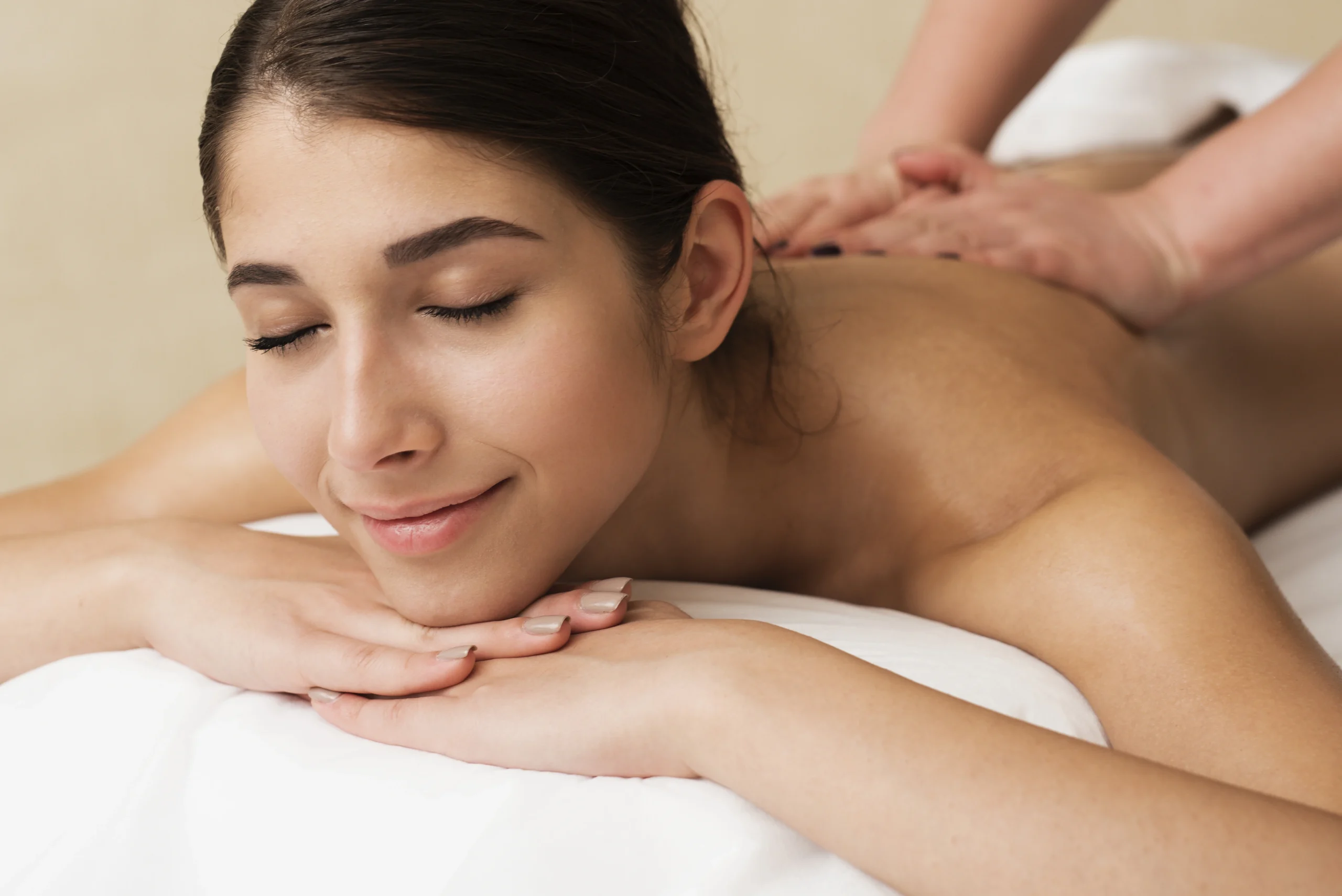
Abhyanga- A close-up of a young woman with her eyes closed and a peaceful smile, lying on her stomach while receiving a back massage.

The Art & Benefits of Abhyanga Massage
Abhyanga is a foundational Ayurvedic practice involving a full body massage with warm, herb infused oils. This therapeutic ritual serves as a cornerstone of Dinacharya (daily routine), designed to balance the body’s internal energies, nourish the skin, and support the nervous system. Whether performed by a practitioner or as a self-care ritual, Abhyanga promotes systemic detoxification and long-term vitality.

Who Abhyanga Is For

This practice is ideal for individuals seeking a holistic approach to wellness. It specifically supports:

  • High-stress professionals looking to regulate their nervous system.
  • Athletes or active individuals requiring joint lubrication and muscle recovery.
  • Individuals with dry skin or those living in cold, dry climates.
  • Practitioners of Ayurveda seeking to balance specific Doshas (Vata, Pitta, or Kapha).

Abhyanga addresses several physiological and energetic imbalances

  • Mental Fatigue: Calms an overactive mind by grounding the Vagus nerve.
  • Physical Stiffness: Lubricates the joints to improve range of motion.
  • Poor Circulation: Stimulates lymphatic flow to assist in the removal of metabolic waste.
  • Sleep Disturbances: Prepares the body for deep, restorative rest.

What is Abhyanga?

Abhyanga is a form of Snehana (oleation) that involves the application of warm oil from the crown of the head to the soles of the feet. The term originates from the Sanskrit words Abhi (towards) and Anga (movement/limb). Unlike Western massage which focuses on deep tissue manipulation, Abhyanga emphasizes the absorption of medicinal oils into the seven layers of tissue (Dhatus) to restore internal balance.

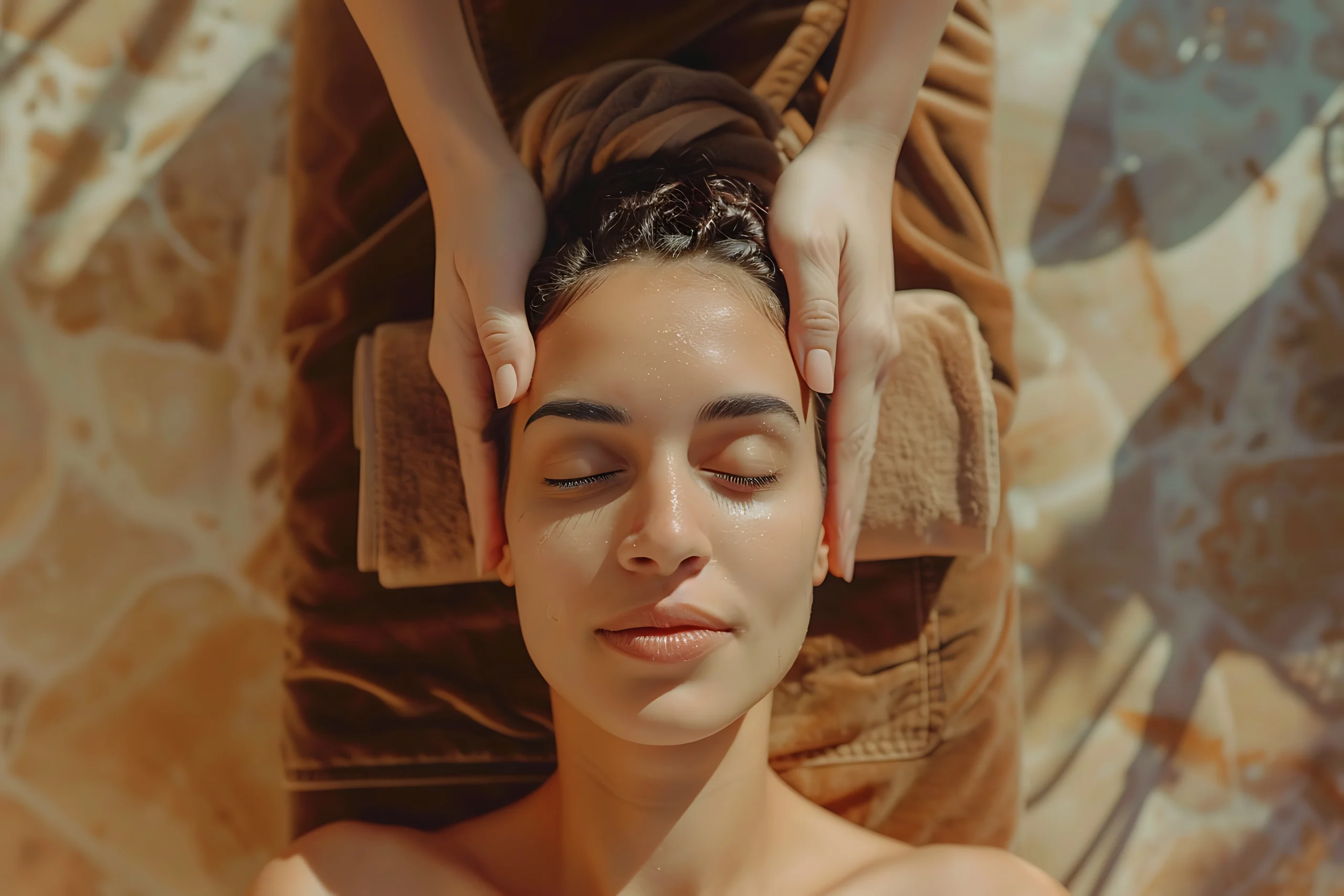
Abhyanga- A top-down view of a woman with her eyes closed, receiving a relaxing head and temple massage

How It Works

The treatment functions through two primary mechanisms:

  1. Transdermal Absorption: Warm oil penetrates the skin, delivering herbal nutrients directly to the bloodstream and tissues.
  2. Marma Stimulation: Light pressure on vital energy points (Marma) releases blocked Prana (life force), improving organ function.

Choosing Your Oil by Dosha

Dosha Type

Primary Characteristic

Recommended Oil

Stroke Style

Vata

Cold, Dry, Anxious

Heavy & Warming (Sesame)

Slow, grounding, and rhythmic.

Pitta

Hot, Irritable

Cooling (Coconut or Sunflower)

Gentle, moderate speed.

Kapha

Heavy, Lethargic

Light & Warming (Mustard or Safflower)

Vigorous, stimulating, and fast.

How to Perform Self Abhyanga

Perform this ritual in a warm room, ideally in the morning before bathing.

  1. Warm the Oil: Place your oil bottle in a bowl of hot water until it reaches a comfortable temperature (never boil the oil).
  2. Start at the Crown: Apply oil to the top of your head, using circular strokes. Spend extra time on the ears to calm the nervous system.
  3. Massage the Limbs: Use long, sweeping strokes on the long bones (arms and legs) and circular motions over the joints (shoulders, elbows, knees).
  4. Target the Heart and Abdomen: Apply gentle, clockwise circular strokes over the heart and stomach to support digestion and emotional balance.
  5. Finish with the Feet: Massage the soles of the feet thoroughly. This is considered the most important step for grounding and improving sleep.
  6. Rest and Rinse: Allow the oil to sit for 10–15 minutes to ensure deep absorption before taking a warm bath or shower.

Why This Approach Matters

Abhyanga is more than a topical treatment; it is a preventive health strategy. By incorporating oil massage into your routine, you engage in Jara-hara, the Ayurvedic concept of defying age. The oil creates a protective buffer against environmental stressors and keeps the skin resilient.

Expected Outcomes

  • Immediate: Reduced anxiety, softened skin, and a sense of physical “groundedness.”
  • Long-term: Improved immune response, better sleep quality, and increased joint flexibility.

FAQ

FAQs

Can I do Abhyanga every day?

Yes, daily practice is recommended in traditional Ayurveda to maintain balance. However, even 2–3 times a week provides significant benefits.

When should I avoid Abhyanga?

Do not perform Abhyanga during menstruation, if you have an acute fever, or immediately after a heavy meal, as the body is focused on internal cleansing or digestion.

How do I get the oil out of my towels?

Use dedicated “massage towels” as oil can be difficult to remove. Wash them separately with a heavy-duty detergent and avoid using a dryer if any oil residue remains (due to flammability).

Next Steps

To begin your journey with Abhyanga, identify your current Dosha or state of balance. Selecting the correct herbal oil is the first step toward a successful practice. If you are new to the technique, you can schedule a professional Ayurvedic massage session to experience the correct pressure and flow before starting a home routine.
Schedule a professional Ayurvedic massage session>>

Leave a Reply

Your email address will not be published. Required fields are marked *

           
Up
d
Monday to Friday Closed
Saturday Closed
Sunday Closed