
December 3, 2025
Yoga for Today’s Lifestyle: Must-Know Poses & Their Key Benefits
Yoga is one of the oldest and most profound systems of self-development in human history. The Sanskrit term Yuj, which means “to unite,” is where the word “yoga” derives from. It means bringing together the body, mind, and soul. It started in India more than 5,000 years ago, first in the Vedic tradition and then in the Upanishads and Patanjali’s Yoga Sutras.
Deeply, yoga is the experience of going from movement to stillness, disorder to clarity. It is a combination of physical poses, breathing exercises and meditation to balance body and mind. To put it in a conventional manner, it is all a mix of asanas and pranayama.
Nowadays, yoga has overcome cultural boundaries and made a place in millions of people’s routine all over the world. Furthermore, this wellness phenomenon making the rounds around the world is not only practised based on physical health but also for mental clarity, emotional balance, as well as spiritual development.
The benefits of performing yoga in a studio or at home are immense regardless of the professionals in the studio or the privacy of your room. Yoga is the art of being awake, in each breath, each movement and each moment.
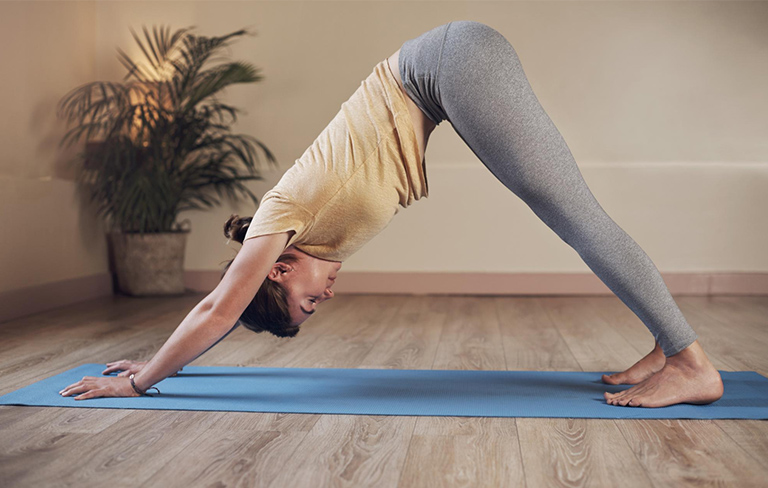 Hatha Yoga is a basic practice that includes posture, breath and balance. It is ideal for those who are new to workouts or need a relaxing, meditative practice. By coordinating the movement with the breath, it relaxes the mind, enhances flexibility and makes the body stronger.
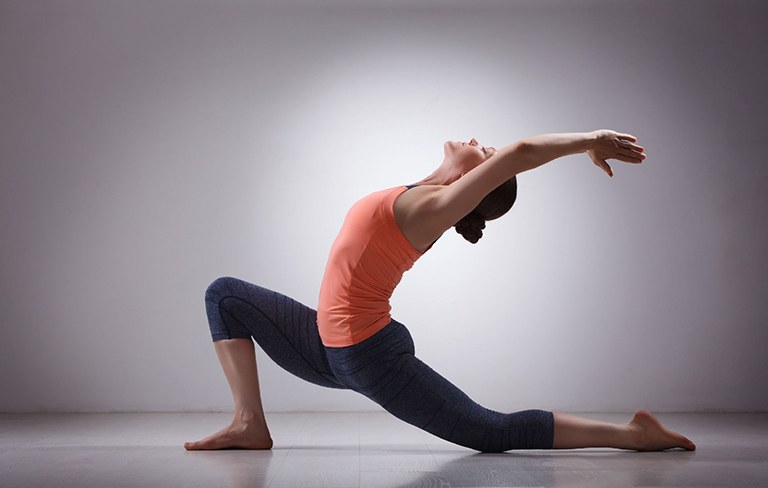 Vinyasa Yoga moves in a smooth flow one pose to the other in sync with breathing. It is lively and a refreshing exercise and is popular among movement lovers. This is an exercise that improves the health of the heart, boosts muscle strength, and develops mental concentration.
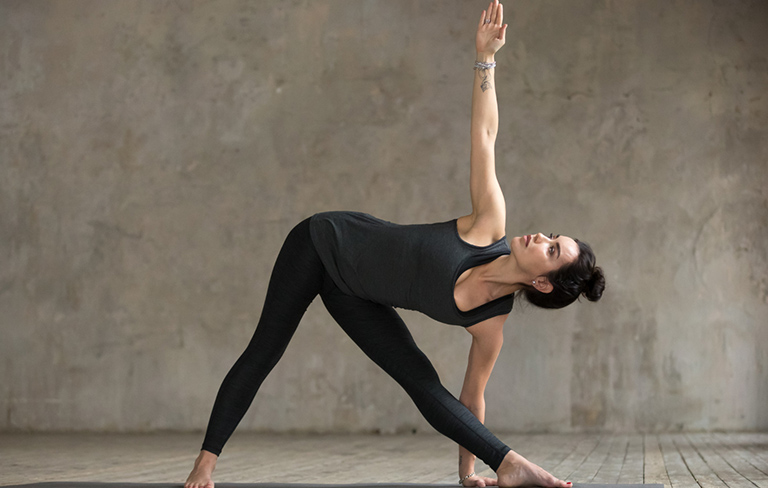 Ashtanga Yoga is practised to a specific set of poses, which are conducted in a specific sequence every time. Its vigour has been known to increase stamina, flexibility and discipline. It is best suited to the practitioners who enjoy a regular and sporty workout.
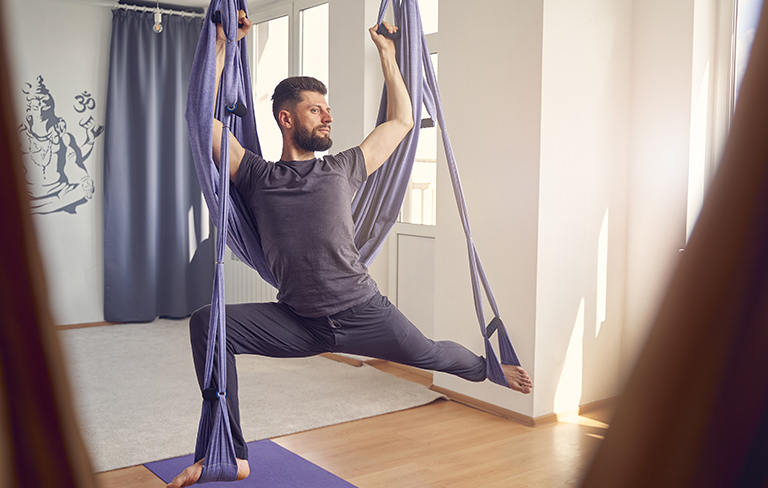 Aerial Yoga is a mixture of traditional yoga and acrobatics which makes use of a silk hammock. This sportive, provoking type of style relaxes the spine, enhances blood flow, and empowers the arms. It is particularly popular because of its lightness and weightlessness and profound stretches.
 Power Yoga is an exercise that is fast-paced and focused on fitness to gain endurance and power. It increases the rate of the heart, tightens muscles and helps in burning off fat. Perfect to people who would like to have high-energy, contemporary yoga.
 The Iyengar Yoga focuses on the alignment and precision, frequently involving the usage of such aids as straps, blocks, and bolsters. It is soft, but strong enough and it is ideal when you are healing some wound or trying to check your posture. This technique enhances body awareness and strength.
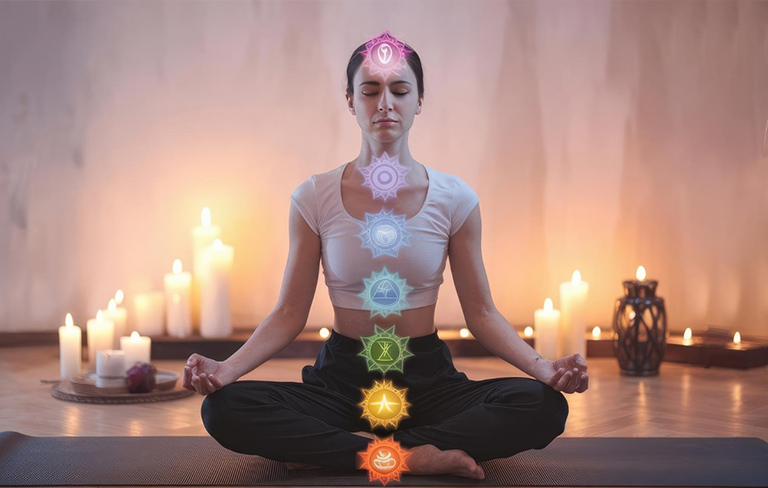 Kundalini Yoga is a combination of movement, breathing, chanting and meditation to activate inner energy. It is intensely spiritual and emotionally harmonising providing an effective mind-body relationship. It is a style that makes it more lively and emotional.
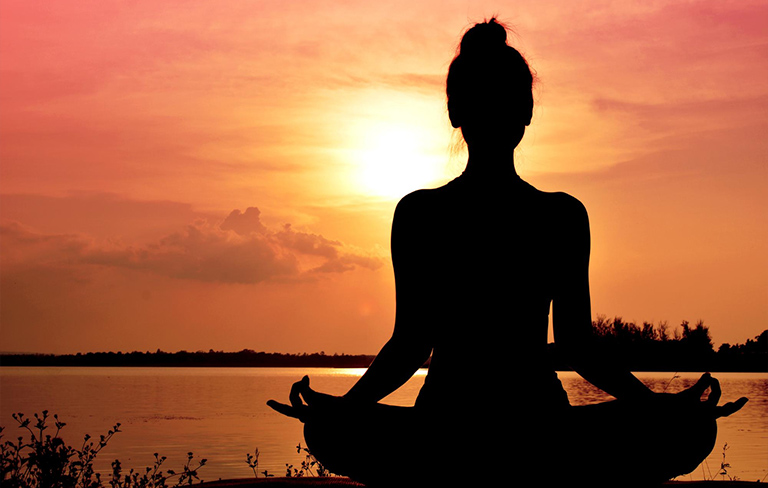 The path of selfless service is called Karma Yoga, which is based on compassion and discriminating action. It does not deal with postures but with serving others and not being attached to the outcomes. It develops calmness within, humility and a sense of purpose.
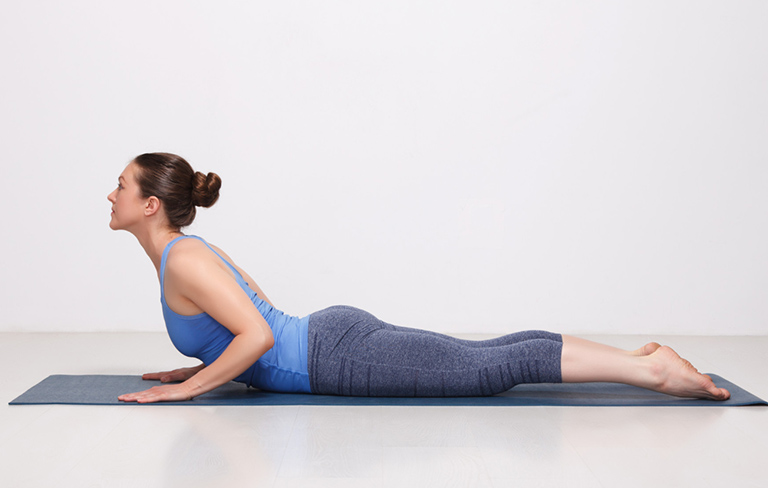 Yin Yoga is a meditative style of Yoga that has longer-term poses. It attacks deepest tissues, releases tension and enhances flexibility. It is perfect in stress-relaxation and helps to remain still and serene.
 A base yoga pose for all standing yoga asanas, which teaches the right alignment of the human body while standing.
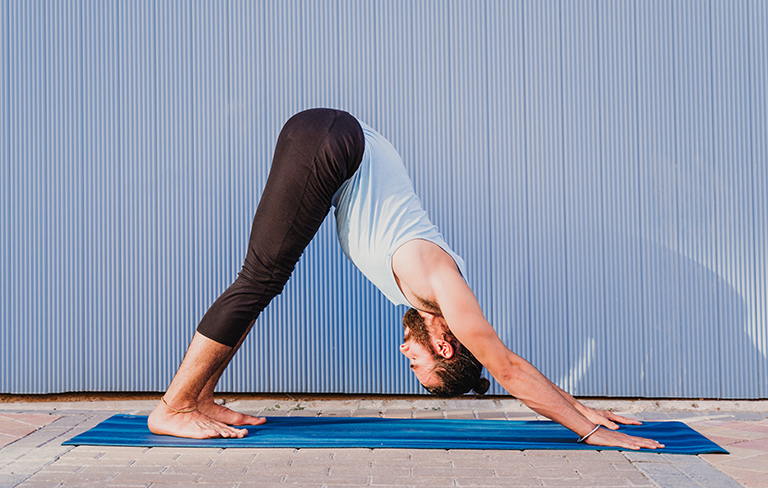 A yoga asana that forms an inverted ‘V’ shape, functioning as a resting pose.
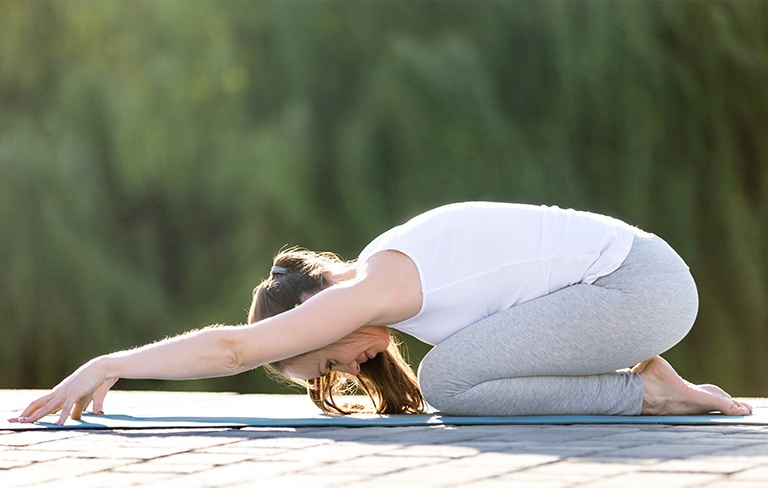 A restorative yoga asana for relaxation between difficult yoga practices.
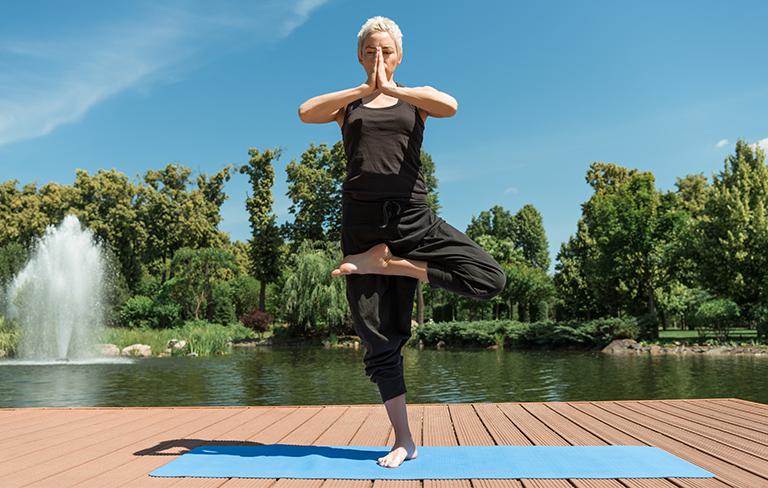 A yoga asana for developing concentration, proprioception, and overall stability. It is a basic yoga pose that opens up the hips and strengthens the legs, ankles, and feet.
 A feel-good yoga pose using a hammock for support.
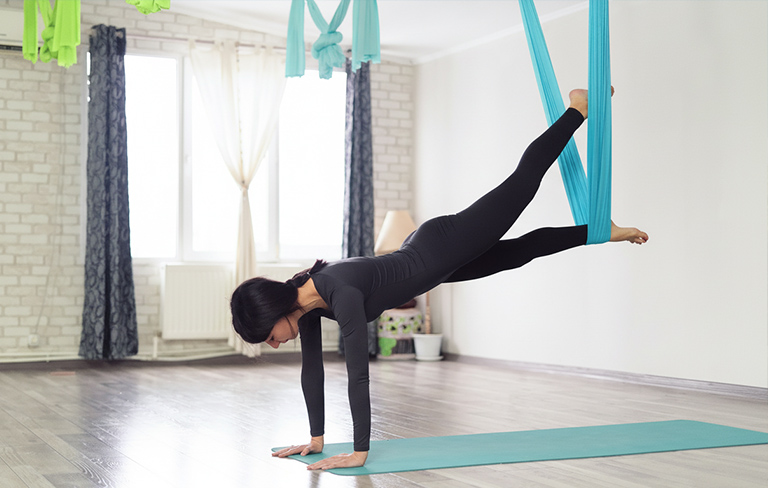 A core-strengthening aerial pose performed using a hammock.
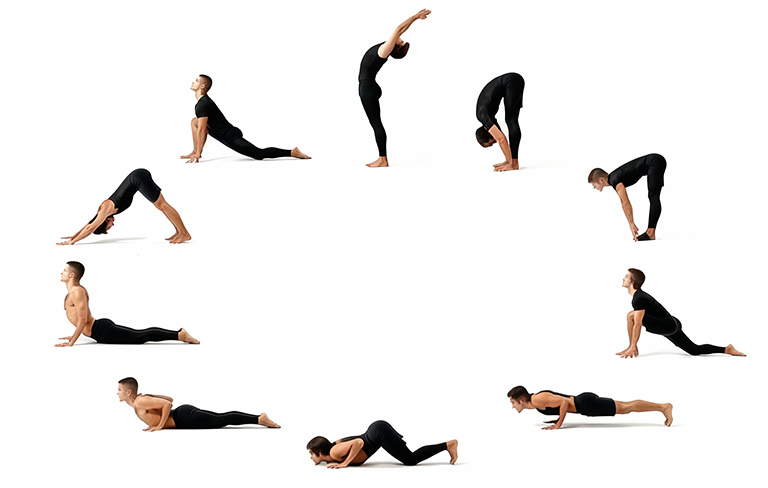 One of the most active yoga techniques, providing a full-body workout. It is a flowing sequence of yoga poses that includes Mountain Pose (inhale, raise arms overhead), Standing Forward Fold (exhale), Halfway Lift (inhale, lengthen spinal chord), Plank Pose (exhale, step or jump back), Chaturanga Dandasana (exhale, lower halfway down), Upward-Facing Dog or Cobra (inhale), and Downward-Facing Dog (exhale). Being one of the most versatile yoga exercises, Surya Namaskar strengthens the entire body, improves flexibility, develops breath awareness, and builds cardiovascular endurance.
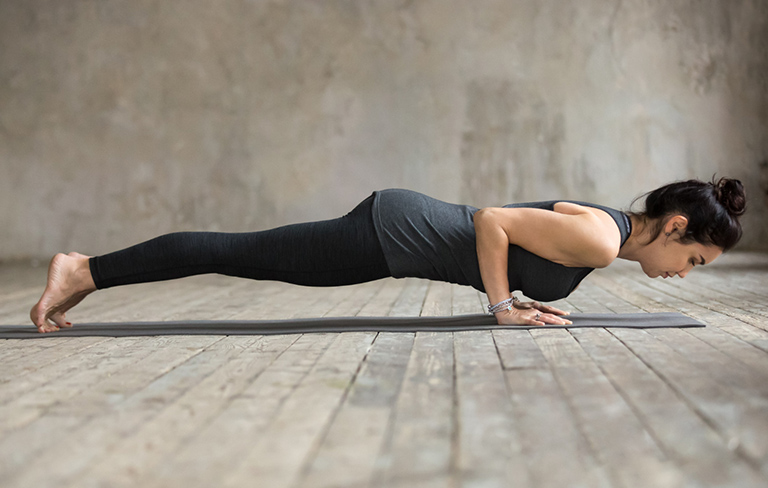 One of the tough poses that builds a lot of upper body strength and is an important part of Vinyasa and Ashtanga sequences.
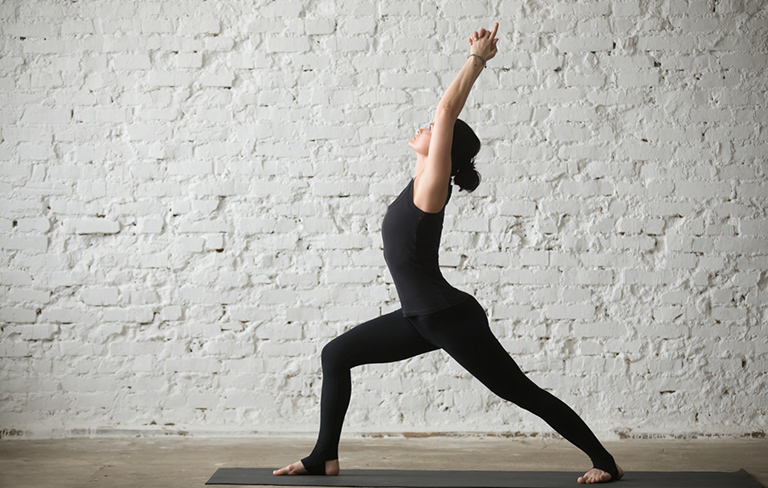

 This standing pose, also known as “fierce pose” or “powerful pose,” helps to strengthen the lower body and mental fortitude.
 This typical Yin stance addresses the inner thighs, hips, and lower back while stimulating the kidney and liver meridians.
 This deep hip flexor stretch works the psoas muscle, which connects the lower spine to the femur and is often the cause of physical and mental stress.
 This moderate backbend stretches the chest and stimulates the spine while remaining accessible and ideal for extended holds.
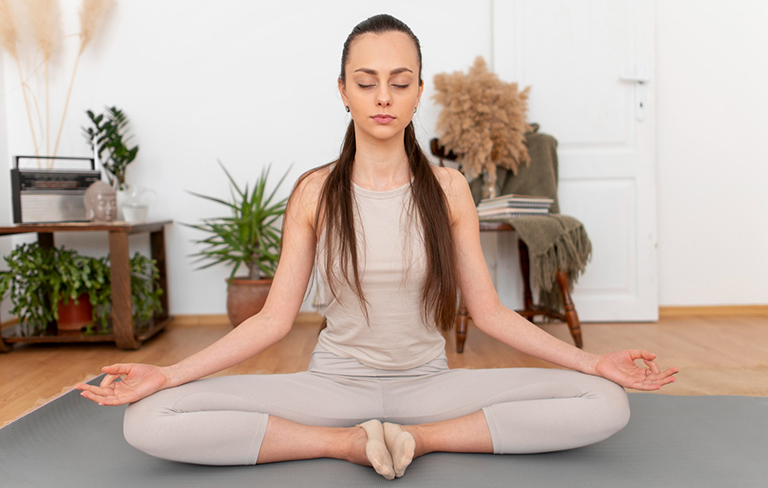 This strong breathing method involves taking quick, rhythmic breaths through the nose and paying equal attention to both inhaling and exhaling. The breath starts at the navel point, and the belly pushes in and out to move it.
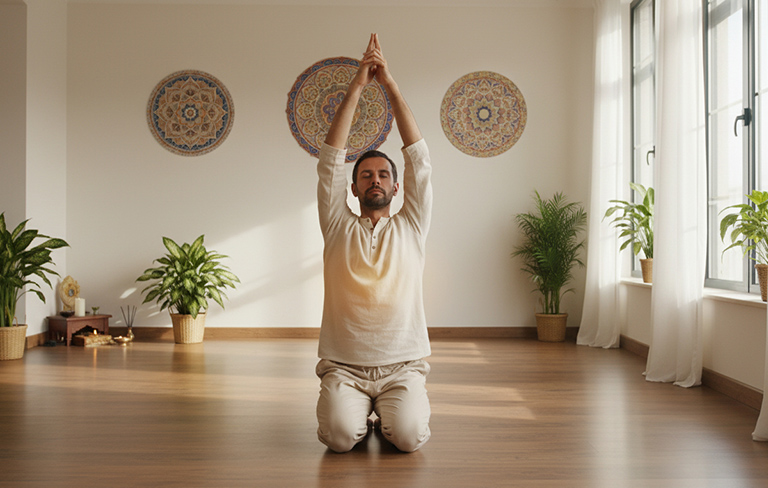 This foundational Kundalini exercise strengthens the entire sexual nervous system and stimulates its natural flow of energy.
Why Is Yoga Important in Today’s World
We live in a world that doesn’t rest in the fear of disconnection. Today, a person spends on average 7+ hours on screens daily, trapped in sedentary postures that affect our spines and drain our mental energy. Too much digital exposure is bad for the human body as it overstimulates our nervous system, resulting in anxiety, depression, distraction, and exhaustion. Yoga is a scientific antidote to this problem. It is 5,000+ years old wisdom that is validated by modern research. Yoga reduces cortisol levels, improves focus, and rewires stress responses. Yoga not only benefits us physically but mentally, emotionally, and spiritually too. In a world that constantly asks for performance, yoga asks us to breathe, move, and be present.The Core Benefits of Yoga
Physical Benefits
- Improves flexibility and mobility: Stretching done through different yoga poses or asanas releases tight muscles and also makes the joints move smoothly.
- Enhances strength and posture: Postures like Warrior Pose and Plank develop muscle endurance and correct body position.
- Enhances circulation and immunity: Deep breathing takes in oxygen for the cells and the immune system gets stronger.
- Supports heart health and metabolism: Mostly in vigorous styles like Ashtanga Yoga and Power Yoga.
- Increases body balance and coordination: The standing postures and inversions are helpful in developing body awareness.
Mental & Emotional Benefits
- Reduces stress and anxiety: The calming effect is on the parasympathetic nervous system.
- Improves concentration and memory: Practicing meditation and breath control strengthens attention.
- Promotes emotional stability: When yoga is done regularly, it becomes easier for one to deal with mood swings and anxiety.
- Encourages mindfulness: It brings the person to the present moment in every action and decision.
Spiritual Benefits
- Develops self-awareness: Through self stillness and reflection.
- Cultivates mercy: This is particularly done in avenues such as Karma Yoga.
- Brings you to a more elevated state: In more meditated practices such as Kundalini Yoga.
Types of Yoga
The strength of yoga is its variety. All the styles are flexible to all the lifestyles, fitness level, and personality, as each of them has its purpose.1. Hatha Yoga
Hatha Yoga is a basic practice that includes posture, breath and balance. It is ideal for those who are new to workouts or need a relaxing, meditative practice. By coordinating the movement with the breath, it relaxes the mind, enhances flexibility and makes the body stronger.
- Concentration: Peaceful compliance of body and breath using simple postures.
- Good with: Novices and relaxationists.
- Benefits: Makes one more flexible, builds muscles, develops balance and calm.
- Popular yoga names Tadasana (Mountain Pose), Balasana (Child Pose) and Adho Mukha Svanasana (Downward Dog)
2. Vinyasa Yoga
Vinyasa Yoga moves in a smooth flow one pose to the other in sync with breathing. It is lively and a refreshing exercise and is popular among movement lovers. This is an exercise that improves the health of the heart, boosts muscle strength, and develops mental concentration.
- Focus: The movement and the breath are linked in a smooth and flowing sequence.
- Ideal for: Intermediate practitioners or those who like it lively.
- Benefits: Increases stamina, shapes the body, and improves heart function, and concentration gets finer.
- Vinyasa is frequently referred to as “moving meditation”; it provides both physical vigor and emotional liberation.
3. Ashtanga Yoga
Ashtanga Yoga is practised to a specific set of poses, which are conducted in a specific sequence every time. Its vigour has been known to increase stamina, flexibility and discipline. It is best suited to the practitioners who enjoy a regular and sporty workout.
- Focus: A well-defined, sporty sequence of six series that is performed in the same order every time.
- Ideal for: People who are driven by discipline and who like predictability.
- Benefits: The body gets stronger, more enduring, and flexible while toxins are eliminated through sweating.
- The sequence consists of Sun Salutations, Standing and Seated Series, and Finishing Poses.
4. Aerial Yoga
Aerial Yoga is a mixture of traditional yoga and acrobatics which makes use of a silk hammock. This sportive, provoking type of style relaxes the spine, enhances blood flow, and empowers the arms. It is particularly popular because of its lightness and weightlessness and profound stretches.
- Focus: This is a blend of yoga and acrobatics done on a suspended silk hammock.
- And the best use is: Fitness lovers in search of fun and back pain alleviation.
- Benefits: Relaxes the back, improves balance, strengthens the upper body, and increases the blood flow.
- Famous yoga postures and illustrations and advantages: Aerial Inverted Pose and Aerial Plank Pose – both of them are perfect core-activating and beneficial for the spinal health.
5. Power Yoga
Power Yoga is an exercise that is fast-paced and focused on fitness to gain endurance and power. It increases the rate of the heart, tightens muscles and helps in burning off fat. Perfect to people who would like to have high-energy, contemporary yoga.
- Emphasis: Accelerated routines of speedup heart rate and stamina.
- Benefit: Ideal benefit: It is suitable in preventing weight loss or athletic conditioning.
- Advantages: Burns calories, enhances metabolism, strengthens the entire body, and energises.
- The combination of ancient yoga and intensity allied to fitness brings a contemporary fitness experience.
6. Iyengar Yoga
The Iyengar Yoga focuses on the alignment and precision, frequently involving the usage of such aids as straps, blocks, and bolsters. It is soft, but strong enough and it is ideal when you are healing some wound or trying to check your posture. This technique enhances body awareness and strength.
- Attention: Accuracy, orientation and assistance with aids such as straps, bolsters, and blocks.
- Best in: People who are new to weight training or recovered after an injury.
- Benefits: Helps correcting the posture, alleviates pain and gains strength safely.
- The technique focuses on body awareness – ideal in individuals who like structure and detail.
7. Kundalini Yoga
Kundalini Yoga is a combination of movement, breathing, chanting and meditation to activate inner energy. It is intensely spiritual and emotionally harmonising providing an effective mind-body relationship. It is a style that makes it more lively and emotional.
- Focus: Turning inner energy (Kundalini) on by means of breathing (breath-in and breath-out), mantra, movement, and meditation.
- Best used by: Individuals who are emotionally and spiritually in need of development.
- Pros: Increases energy, regulates emotions, enlarges consciousness.
- Common practices: Breath of Fire and Sat Kriya.
8. Karma Yoga
The path of selfless service is called Karma Yoga, which is based on compassion and discriminating action. It does not deal with postures but with serving others and not being attached to the outcomes. It develops calmness within, humility and a sense of purpose.
- Focus: The yoga of self-service – service without showing the fruits of that service.
- Best suit: People who do not want to pursue interest only.
- Advantages: Grows humbleness, compassion and thankfulness.
- Karma Yoga could be taken in the contemporary context as volunteering, serving others, or giving contributions in a thoughtful manner to the society.
9. Yin Yoga / Yon Yoga
Yin Yoga is a meditative style of Yoga that has longer-term poses. It attacks deepest tissues, releases tension and enhances flexibility. It is perfect in stress-relaxation and helps to remain still and serene.
- Focus: Long, stationary poses, the aim of which is on the connective tissue and fascia.
- Ideal for: People who want to be restored and be quiet.
- Benefits: helps to reduce stiffness, improve the range of motion of the joint, and soothes the nervous system.
- Popular poses such as Butterfly Pose, Dragon Pose, Sphinx Pose.
Yoga Poses & How to Do?
The names and benefits of yoga are learning tools that assist you in understanding the power of movement and mindfulness in the same direction.1. Hatha Yoga Poses
a. Tadasana (Mountain Pose):
A base yoga pose for all standing yoga asanas, which teaches the right alignment of the human body while standing.
How to Do It
Step 1: Stand with feet hip-width apart, balancing your body weight evenly on both legs. Step 2: Engage the quadriceps to lift the kneecaps without locking the knees. Step 3: Draw the belly in and up to support the lower back while maintaining the spine’s natural curves. Step 4: Circular movement of the shoulders helps open the chest. Step 5: Extend your arms through the crown of the head, creating a comfortable stretch in the spine.Benefits
Some of the measurable benefits of this pose are better body posture, more strength in the legs and core, and enhanced body awareness.b. Adho Mukha Svanasana (Downward-Facing Dog):
A yoga asana that forms an inverted ‘V’ shape, functioning as a resting pose.
How To Do It
Step 1: Always begin on hands and knees, hands and shoulders should be wide apart from each other. Step 2: Press the palms firmly into the ground, especially the thumb and index finger mounds, to protect the wrists from twisting and body pressure. Step 3: Keep your shoulders at a certain gap from your ears and broaden across the upper back. Step 4: Now, hold your body in a comfortable position and stretch the spine from the tailbone through the crown of the head. Step 5: At last, bend the knee to make the ‘v’ shape, while making sure to stretch the body in perfectly inclined lines.Benefits
This yoga pose is a full-body strengthener as it strengthens the arms, shoulders, legs, including the calves, and spine. Adho Mukha Svanasana also stimulates other areas of the body, such as increases blood flow to the brain, calms the nervous system, and builds upper body strength.c. Balasana (Child’s Pose):
A restorative yoga asana for relaxation between difficult yoga practices.
How To Do It
Step 1: Just kneel on the floor with big toes touching and knees are placed separately, wider to the hip. Step 2: Now sit back on your heels and fold the body forward, extending the arms forward or alongside the body with palms facing up. Step 3: Rest the forehead on the floor, breathe deeply, and feel your ribs with each breath.Benefits
This resting yoga pose gently stretches your body and releases the stored tension. Therefore, a Child’s pose is considered excellent for de-stressing the body.d. Vrikshasana (Tree Pose)
A yoga asana for developing concentration, proprioception, and overall stability. It is a basic yoga pose that opens up the hips and strengthens the legs, ankles, and feet.
How To Do It
Step 1: Vrikshasana is like Tadasana (Mountain Pose), but you put your left foot on the inside of your right thigh. Step 2: Put your hands in the prayer position and look at a spot. Step 3: After holding the same position for a while, switch legs. Note: You can change this yoga pose by keeping the toes of the foot that is lifted on the ground or by doing it near a wall for support.Benefits
This yoga pose helps you get better balance, strengthens your legs and core, and helps you focus by keeping your mind on one thing.2. Aerial Yoga Poses
a. Aerial Inverted Pose (Supported Headstand):
A feel-good yoga pose using a hammock for support.
How To Do It
Step 1: Sit in the hammock, wrap it firmly around your hips, lower back, then lean back and extend legs overhead, stretching the spine comfortably. Step 2: This way you keep your body in an inverted position without putting weight on your head and neck for an extended period of time.Benefits
Aerial Inverted pose helps maximise the benefits of increased cerebral blood flow, lymphatic drainage, and spinal decompression.b. Aerial Plank Pose:
A core-strengthening aerial pose performed using a hammock.
How To Do It
Step 1: Take support using a hammock for walking with your hands in the plank position. Step 2: Place the tops of your feet in the hammock at your hip’s height, and do the plank with your hands. The real challenge is maintaining the stability while the fabric keeps moving you a little.Benefits
This yoga pose strengthens the core and boosts stamina. Also Read: 17 Misunderstood Facts about Aerial Yoga3. Arm-stand, Ashtanga & Vinyasa Poses
a. Surya Namaskar (Sun Salutation):
One of the most active yoga techniques, providing a full-body workout. It is a flowing sequence of yoga poses that includes Mountain Pose (inhale, raise arms overhead), Standing Forward Fold (exhale), Halfway Lift (inhale, lengthen spinal chord), Plank Pose (exhale, step or jump back), Chaturanga Dandasana (exhale, lower halfway down), Upward-Facing Dog or Cobra (inhale), and Downward-Facing Dog (exhale). Being one of the most versatile yoga exercises, Surya Namaskar strengthens the entire body, improves flexibility, develops breath awareness, and builds cardiovascular endurance.
How To Do It
Step 1: Put your hands together in front of your chest and stand up straight at the top of your mat. Step 2: Take a deep breath and raise your arms above your head while gently bending your upper body. Step 3: Exhale and bend forward, putting your hands on the ground. Step 4: Take a deep breath and lift halfway. This will stretch your spine. Step 5: Step back or jump into a plank position and let your body fall as you breathe out. Step 6: Take a deep breath and lift your chest up into a gentle backbend. Step 7: Exhale and raise your hips so that they form an upside-down “V.” Step 8: Fold your body and then step or jump your feet forward again. Step 9: Take a deep breath and raise your arms above your head. Step 10: Exhale and return the palms to the chest.Benefits
Surya Namaskar is a series of movements that strengthens the whole body, makes it more flexible, gives it energy, and helps you become more aware of your body by coordinating your breath and movement.b. Chaturanga Dandasana (Low Plank):
One of the tough poses that builds a lot of upper body strength and is an important part of Vinyasa and Ashtanga sequences.
How To Do It
Step 1: Start in Plank Pose with your hands placed directly beneath your shoulders and your body weight slightly shifted forward onto the balls of your feet. Step 2: Lower your torso while keeping your elbows close to your ribs. Your upper arms should be parallel to the ground, and your elbows should make a 90-degree angle. Step 3: Keep a strong line from your heels to the top of your head while using your legs and core. Step 4: The elbows should stay level with the shoulders and not go lower.Benefits
This pose not only stabilises shoulders for arm balances and inversions, but strengthens the arms, chest, core, and legs.c. Virabhadrasana (Warrior Pose):
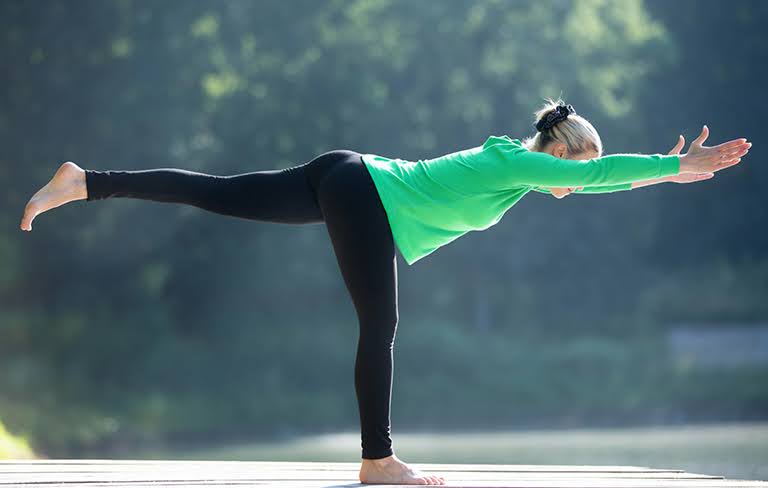
This pose builds strength, stamina and confidence for a perfect body alignment. It also discusses various aspects of alignment and energy direction. Virabhadrasana (Warrior Pose) consists of three stages: I, II, and III. Stage 1:
How To Do It
Step 1: It comprises standing with feet three to four feet apart, turning the right foot forward and the left foot in slightly. Step 2: Bend the right knee directly over the ankle. Step 3: Extend arms aloft with palms facing each other.Benefits
The pose strengthens the legs, expands the chest and lungs, and enhances mental clarity. Stage 2:
How to do it
Step 1: It turns your hips and body to face the mat’s long edge. Step 2: Extend the arms to the sides at shoulder height. Step 3: Peer over the front hand.Benefits
This version strengthens the legs and ankles, opens the hips and chest, and enhances focus and balance. Stage 3:
How to do it
Step 1: It assesses balance by leaning forward from the standing leg. Step 2: Stretch the opposing leg behind, parallel to the ground. Step 3: Extend the arms in front or behind the chest.Benefits
This pose builds strength in the standing leg, ankles, shoulders, and back while also improving balance, posture, and attention.d. Utkatasana (Chair Pose):
This standing pose, also known as “fierce pose” or “powerful pose,” helps to strengthen the lower body and mental fortitude.
How To Do It
Step 1: Put your feet together or hip-width apart, bend your knees deeply as if you were sitting in a chair, and raise your arms high next to your ears. Step 2: Keep your weight in your heels and don’t let your knees go past your toes. Step 3: Use your core to keep your spine long and protect your lower back.Benefits
This pose targets the quadriceps, glutes, calves, ankles, and core while stretching the shoulders and expanding the chest. The sustained hold improves muscle endurance and mental toughness. It’s an excellent warm-up for more advanced arm balances and jump-throughs in Ashtanga practice.4. Yin / Yon Yoga Poses
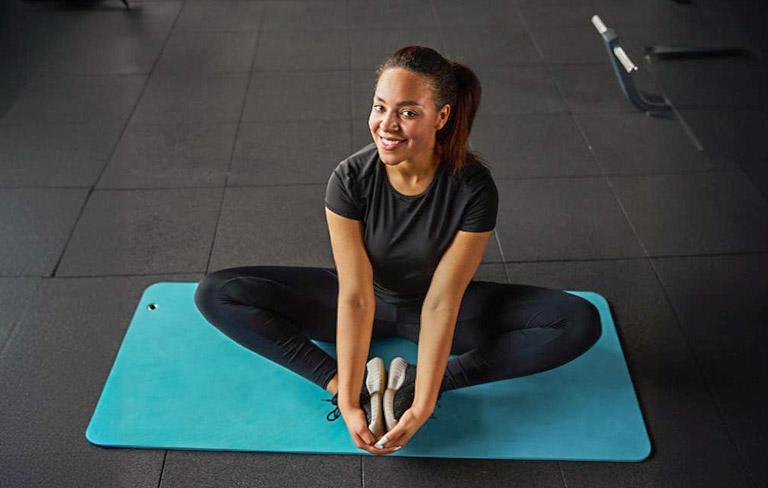
Butterfly Pose (Baddha Konasana variation):
This typical Yin stance addresses the inner thighs, hips, and lower back while stimulating the kidney and liver meridians.
How To Do It
Step 1: Sit on the floor and bring the soles of your feet together, allowing your knees to drop open to the sides. Step 2: Rather than drawing the feet close to the torso as in the active variety, let the feet travel forward, forming a diamond or oval shape with the legs. Step 3: Bend forward from the hips, letting your spine round naturally, and put your forearms on the floor or on blocks. Step 4: Let the head hang down heavily. Step 5: Hold for three to five minutes, breathing deeply and letting gravity do its job.Benefits
This position eases tension in the lower back and hips, helps digestion and reproductive organs, and calms the mind. The long hold lets you let go of your emotions because the hips usually hold onto emotional stress.b. Dragon Pose (Low Lunge variation):
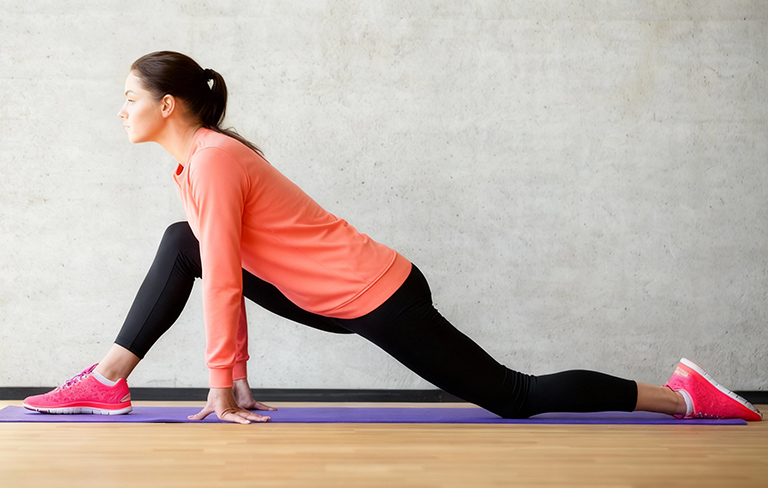
This deep hip flexor stretch works the psoas muscle, which connects the lower spine to the femur and is often the cause of physical and mental stress.
How To Do It
Step 1: Begin in a low lunge with the right foot forward between the hands and the left knee on the floor. Step 2: Walk the right foot forward and slightly to the right, allowing the hips to sink toward the floor. Step 3: Place hands on blocks or the floor inside the front foot. Step 4: For a deeper variation, lower onto the forearms. Step 5: Keep the spine long and the chest open. Step 6: Hold for three to five minutes and then rotate sides.Benefits
This position alleviates chronic hip flexor strain, lengthens the quadriceps and groins, and promotes the liver, spleen, and kidney meridians. The intensity of the experience motivates practitioners to breathe through discomfort and cultivate equanimity.c. Sphinx Pose:
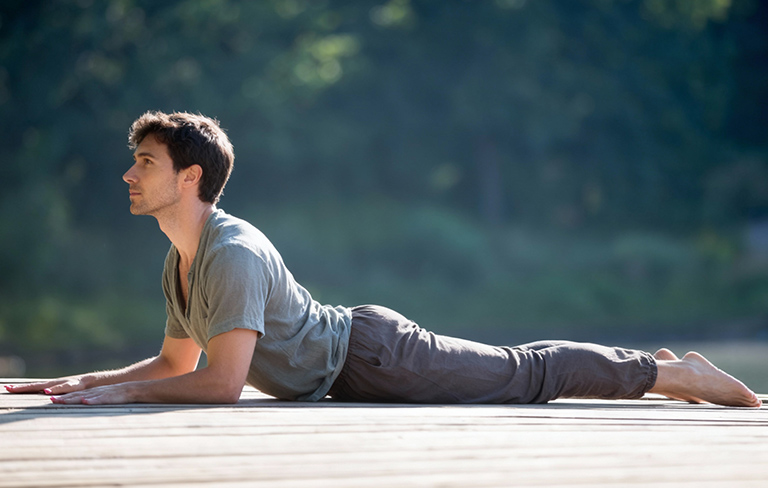
This moderate backbend stretches the chest and stimulates the spine while remaining accessible and ideal for extended holds.
How To Do It
Step 1: Lie on your stomach, chest pushed up by your forearms, elbows directly under or slightly in front of your shoulder. Step 2: Press the pubic bone into the floor and engage the legs gently. Step 3: Broaden across the collarbones and draw the shoulders away from the ears. Step 4: Allow the lower back to soften rather than gripping the glutes. Step 5: Hold for three to five minutes.Benefits
This moderate backbend stretches the chest and stimulates the spine while remaining accessible and ideal for extended holds. This pose compresses and stimulates the lower back, which strengthens the spine and opens the chest. It relieves mild back discomfort, stimulates the urinary bladder meridian, and has a calming energy effect without overstimulation.5. Kundalini Practices and Kriyas
a. Breath of Fire (Kapalabhati Pranayama):
This strong breathing method involves taking quick, rhythmic breaths through the nose and paying equal attention to both inhaling and exhaling. The breath starts at the navel point, and the belly pushes in and out to move it.
How To Do It
Step 1: Sit down comfortably and start breathing quickly and evenly through your nose, paying equal attention to both inhaling and exhaling. Step 2: Allow the breath to originate in the navel point, with the belly pushing in and out to propel the breath. Step 3: Begin lightly and gradually increase your tempo, aiming for two to three breaths each second. Step 4: Practice for one to three minutes more.Benefits
Breath of Fire helps the body get more oxygen, gives it energy, clears the lungs, strengthens the nervous system, and makes the mind sharper. It generates heat and internal energy while expelling toxins. Note: This technique is contraindicated during pregnancy and should be practiced with caution by those with high blood pressure or respiratory conditions.b. Sat Kriya:
This foundational Kundalini exercise strengthens the entire sexual nervous system and stimulates its natural flow of energy.
How To Do It
Step 1: Sit on the heels in Rock Pose (Vajrasana), stretch the arms overhead with elbows straight, interlacing all fingers except the index fingers, which point straight up. Step 2: Begin pumping the navel point, saying “Sat” as the belly pulls in toward the spine and “Nam” as it releases. Step 3: Continue for three to eleven minutes. Step 4: Then inhale, apply mulbandha (root lock), and hold briefly before exhaling.Benefits
This kriya strengthens the core, balances sexual energy, releases stored tension, and cultivates willpower and mental focus. All these yoga exercises can be adjusted to the beginners, men, women and even the old age. It all depends on patience, yoga rewards consistency, not competition.How to Do Yoga at Home: Tested Practice Plan for Daily Wellness
Yoga is currently among the most convenient wellness activities to be applied in the home. This is the process of starting the process of yoga at home:- Create the Mood: Select a natural light space without clutter and without noise.
- Start Simple: Start with light Hatha yoga, or Yin yoga asthma-mx yoga sessions of 15-30 minutes a day.
- Pay attention to Breath: Breathe in peace, exhale strain – get yourself back unravelled.
- Use Props: Prop Executive cushions or straps may be used to aid posture.
- Guidance: Online classes should be certified or attend introductory classes in the meditation and yoga center of WOW.
- Be Consistent: 10 minutes daily make a difference in attitude and elasticity.
- Balance with Rest: Last session with Savasana (Corpse Pose) to be able to integrate.
How to Find the Yoga Style That Suits You
Choosing the right yoga style depends on your goals, energy levels, and personal interests. Follow these tips to find the right choice:- If you’re new to yoga: Start with Hatha Yoga for basic postures and breathing or Yin Yoga for slow, deep stretches. Both build a strong foundation.
- If you want a more intense workout: If you want structured sequences, try Ashtanga Yoga. If you want a fast-paced, strength-focused practice, try Power Yoga.
- If relaxation is your priority: Yin Yoga helps with deep relaxation and flexibility, while Kundalini Yoga helps with letting go of emotions and connecting with the divine.
- If you want something fun and unique: Try Aerial Yoga, which is a fun and creative way to do yoga that combines traditional poses with aerial movements.
- If you’re seeking spiritual growth: Karma Yoga is about being mindful, doing things for others, and changing yourself from the inside out, not just through physical postures.
Why Choose Wealth Of Wellness for Your Yoga Journey
At Wealth Of Wellness, we live by the thought that yoga is a medium toward holistic well-being. But to do it right, you need professional guidance so you can see measurable results. Our professional practitioners guide you to reconnect with your body, mind, and spirit through carefully designed yoga programmes combining traditional and aerial yoga. From traditional to modern-day yoga, our diverse modalities cater to all levels, ensuring that everyone can practice safely and effectively. We proudly stand out from the rest for our focus on personalized guidance and attention to alignment. A wellness centre located in a prime location in Dubai, we bring you industry experts, serene spaces, and a supportive community. We make it easier for you to integrate yoga into your daily life. Ready to begin your yoga journey with a team that prioritizes your well-being? Book your yoga session today.Frequently Asked Questions
So what is yoga, and why is it also important?
Yoga is an Indian practice that is centuries old, and brings together body, mind, and spirit due to the use of movement, breath, and mindfulness. It transcends physical health – it facilitates emotional composure, mind clarity and spiritual development. The modern stressful, rapid life of our society needs yoga to relax, enhance posture, flex and strength and to become more calm. It is also advantageous as it improves sleep, stress level, and well-being.
What is the best kind of yoga that beginners do?
Hatha Yoga and Yin Yoga are a great place to start for beginners. Such styles are not fast, beginner-friendly and focus on proper alignment and conscious breathing. They assist in creating a good ground in non-intense ways. After feeling more at ease, the practitioners may practise more dynamic forms of the latter such as Vinyasa Yoga or Ashtanga Yoga to gain stamina and power. Patterns and directed instruction also help learners to learn safely.
Is it possible to practise yoga in the house?
Absolutely. Accessibility of yoga is one of its best assets. Yoga in the house does not need much space and equipment which includes only a mat and comfortable clothes. Novices can attend online classes with guidance, and advanced professionals can create their sequence. By first beginning with 15-30 minutes a day of soft poses, breathing and relaxing, it is possible to achieve visible changes in flexibility, focus, stress and health.
What is the physical and psychological advantage of yoga?
Yoga also builds strength and elasticity of the whole body, improves the posture, maintains the heart, and increases the immunity. It also improves dexterity, coordination and strength. Yoga has a mental effect, as it decreases stress, enhances focus, stabilises emotions, and increases mindfulness. Even the emotional blockages can be overcome with the help of such practices as Kundalini Yoga. Through practice, yoga provides one with a total body exercise and inner tranquility which is never the case in contemporary lives.
What is the type of yoga that I need to use?
The yoga style is a matter of goals and lifestyle.
- To relax and get rid of stress: Yin Yoga, Hatha Yoga, Kundalini Yoga.
- To build muscle and fitness: Ashtanga Yoga, Power Yoga, Vinyasa Yoga.
- To have versatility and adventure: Aerial Yoga.
- To grow spiritually: Karma Yoga.


Leave a Reply