
Cupping Therapy Explained: Detox, De-Stress, and Recharge Naturally
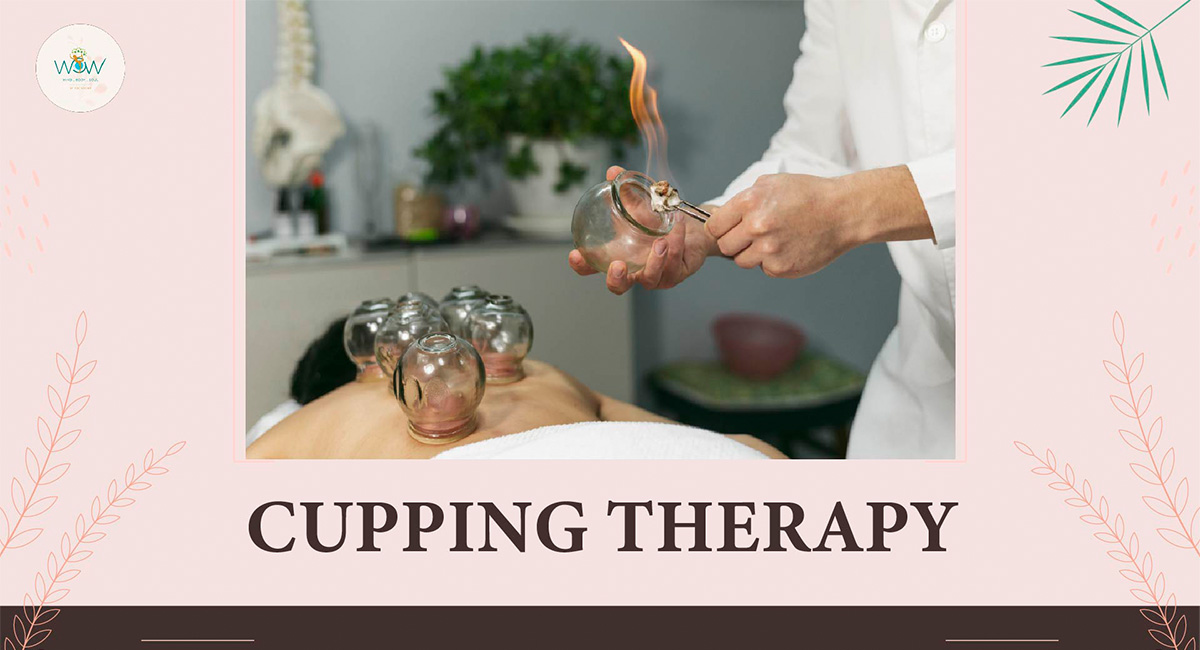
Cupping therapy is a traditional treatment that uses suction cups on the skin to ease muscle tension and help the body relax. People across China, the Middle East and Egypt have used it for thousands of years. Today, athletes, office workers and wellness seekers in Dubai use it too.
This guide is for anyone thinking about their first cupping session. You will learn how cupping works, which type suits you, what research says about its benefits, and how to stay safe. You will also learn what "detox" really means in cupping, and what to expect before, during and after a session.
What Is Cupping Therapy?
Cupping therapy is a manual treatment in which a practitioner places cups on the skin and creates suction. The suction lifts the skin and the tissue beneath it into the cup.
Practitioners use cups made of glass, silicone, bamboo or plastic. They usually place them on the back, shoulders, neck or legs, where there is enough muscle.
Cupping has deep roots in several healing traditions. Ancient Egyptian, Greek and Chinese physicians all used it. In the Middle East, wet cupping is known as Hijama, an Arabic word linked to "sucking". Many Muslims value Hijama as a Sunnah practice. You can read more in our article on the history of Hijama.
At Wealth of Wellness, cupping sits within our naturopathy therapies, alongside other natural, hands-on treatments.
How Does Cupping Therapy Work?
Cupping therapy works through negative pressure. Most massage pushes into the muscle. Cupping does the opposite: it pulls the tissue upward.
The Science of Negative Pressure
The suction draws blood toward the surface of the skin under each cup. It also gently stretches the skin, fascia (the thin connective tissue around muscles) and muscle layers. Many people describe the feeling as a deep, pulling stretch.
The suction breaks some tiny blood vessels, called capillaries, just under the skin. This causes the round marks that cupping is known for.
What Researchers Think Happens
Scientists do not yet fully understand how cupping works. A clinical review on StatPearls (NCBI) describes several leading theories:
- Pain-gate effect: The pulling sensation may calm pain signals travelling to the brain.
- Local blood flow: Suction increases blood flow to the treated area.
- Fluid movement: Suction may encourage lymph fluid to move from the area.
- Relaxation response: A quiet, hands-on session may help the nervous system shift into a calmer state.
In Traditional Chinese Medicine, practitioners explain cupping as a way to move stagnant Qi (vital energy) along the body's meridians. That is why cupping often appears alongside acupuncture and moxibustion.
Types of Cupping Therapy
There are four main types of cupping therapy. Dry cupping and wet cupping (Hijama) are the two core methods. Fire and gliding cupping are variations of dry cupping.
| Type | How it works | Often chosen for | Skin contact |
|---|---|---|---|
| Dry cupping | Cups create suction with a hand pump or silicone squeeze; cups stay in place | Muscle tension, stiffness, first-time clients | Suction only |
| Wet cupping (Hijama) | Brief suction, then tiny surface incisions, then suction again to draw a small amount of blood | Tradition, Sunnah practice, chronic tension | Small, superficial incisions |
| Fire cupping | A brief flame removes air from a glass cup before it touches the skin | Traditional Chinese Medicine practice | Suction only; needs skilled handling |
| Gliding (massage) cupping | Oil goes on the skin and the practitioner moves the cups across the muscle | Broad areas like the back and thighs | Suction with movement |
Dry Cupping
Dry cupping is the gentlest and most widely studied form. It suits most first-timers. The practitioner can adjust the suction strength to your comfort.
Wet Cupping (Hijama)
Hijama (wet cupping) adds tiny, shallow cuts to the skin between two rounds of suction. Because it involves blood, it needs strict hygiene, sterile single-use blades and a licensed clinic.
How to choose: Start with dry cupping if your main goal is muscle relief or relaxation. Choose Hijama if it holds cultural or spiritual meaning for you, after a consultation.
Cupping Therapy Benefits: What the Evidence Says
Cupping therapy may help ease muscle pain, support relaxation and aid recovery. The strongest research supports its use for neck pain, low back pain and knee osteoarthritis. Most studies are small, so experts treat cupping as a complementary therapy, not a stand-alone cure.
Muscle Tension and Pain Relief
Pain relief is the most researched benefit. A 2018 review of 18 trials in BMJ Open found that cupping reduced neck pain compared with no treatment. It also helped when added to other care. The authors rated the evidence as low quality, so they called for larger studies.
A 2023 evidence-mapping study in Frontiers in Neurology reviewed 14 meta-analyses. It found low- to moderate-quality evidence that cupping may ease neck pain, low back pain and knee osteoarthritis pain.
If you live with ongoing stiffness, cupping can be one part of a wider joint and muscle program.
Stress Relief and Relaxation (De-Stress)
Many people feel calm and sleepy during cupping. The session is quiet, slow and hands-on. These conditions help the body move from a "fight or flight" state toward rest.
Cupping is not a treatment for anxiety or depression. Still, it can be a pleasant part of a routine that includes sleep, movement and proven stress management techniques. For a deeper reset, some guests combine cupping with our destress retreat.
Recovery and Mobility (Recharge)
Athletes use cupping to loosen tight muscles after training. Gliding cupping stretches the fascia over large areas, which many people feel as freer movement. Research on sports performance is still limited, so treat cupping as a recovery aid, not a performance booster.
Does Cupping Therapy Detox the Body?
Cupping therapy does not remove toxins from your body. Your liver, kidneys, lungs and digestive system handle detoxification every day.
The round marks after cupping come from blood drawn to the skin's surface. They are not toxins leaving the body. The NCCIH (NIH) notes that there is not enough high-quality research to show cupping helps conditions beyond pain.
So where does "detox" fit? Cupping can support the feeling of a fresh start. It moves blood and fluid locally, relaxes tight muscles and gives you time to rest. Pair it with water, sleep and good food. Our guide to natural ways to support detoxification explains these habits.
Evidence at a Glance
| Claim | What research shows |
|---|---|
| Eases neck pain | Supported (low to moderate quality evidence) |
| Eases low back pain | Supported (mixed; low to moderate quality) |
| Eases knee osteoarthritis pain | Supported (moderate quality, few studies) |
| Helps you relax | Commonly reported; limited formal research |
| Removes toxins | Not supported |
| Boosts immunity or causes weight loss | Not proven |
Cupping vs Massage: Which Should You Choose?
Cupping lifts tissue, while massage presses into it. Both can relax the body; the right choice depends on your goal.
| Factor | Cupping | Massage |
|---|---|---|
| Technique | Suction lifts skin and fascia | Pressure and strokes knead muscle |
| Feels like | A deep pulling stretch | Pressing, kneading, gliding |
| Marks afterward | Round marks for several days | Usually none |
| Good for | Localised tightness in the back, neck, shoulders | Whole-body relaxation |
Prefer touch without marks? Try an Ayurvedic oil massage (Abhyangam) or meridian massage. Many people alternate cupping and massage across a month.
What to Expect in a Cupping Session
A typical cupping session lasts 30 to 45 minutes and follows five steps.
- Consultation: Your practitioner asks about your health, medicines and goals. This step checks that cupping is safe for you.
- Preparation: You lie face down on a treatment table. The practitioner cleans the skin and may apply oil.
- Cup placement: The practitioner places the cups and adjusts the suction. Cups usually stay on for 5 to 10 minutes.
- Removal: The practitioner releases the seal and lifts each cup. You may feel a light, pleasant release.
- Aftercare advice: You get simple guidance for the next 24 hours.
Most people find dry cupping comfortable. You may feel tightness under the cups but not sharp pain. Tell your practitioner at any time if you want less suction.
Cupping Marks: What They Mean and How Long They Last
Cupping marks are round, red to purple patches where the cups sat. They form because suction breaks tiny capillaries under the skin. They are not true bruises from injury, and they are not toxins.
- How long they last: According to Cleveland Clinic, marks usually fade within one to two weeks.
- Colour: Darker marks often follow stronger suction or longer cup time. Colour alone does not show how well the session worked.
- Planning tip: Book your session at least a week before a beach day or event if you prefer clear skin.
- When to call a doctor: Contact a healthcare provider if you notice blisters, burns, fever, pus, or pain that worsens after 48 hours.
Is Cupping Therapy Safe? Side Effects and Who Should Avoid It
Cupping therapy is low-risk when a trained practitioner performs it with clean, sterile equipment. Most side effects are mild and short-lived.
Common, mild effects:
- Round marks and light bruising
- Muscle soreness for a day or two
- Tiredness, light-headedness or mild nausea after the session
Less common effects: The NCCIH lists burns, skin infections, scarring and lasting skin discolouration. Sterile, single-use equipment lowers the infection risk, especially for Hijama.
Speak to your doctor first, or avoid cupping, if you:
- Are pregnant
- Have anaemia or a bleeding disorder such as haemophilia
- Take blood-thinning medicine
- Have deep vein thrombosis, a history of stroke or heart disease
- Have a pacemaker or another implanted device
- Have eczema, psoriasis, open wounds or an active skin infection
- Have a fever or an acute illness
This list draws on guidance from Cleveland Clinic and StatPearls. Your practitioner will review it with you during the consultation.
Aftercare: What to Do After Cupping
Good aftercare helps you feel your best and keeps the skin protected.
- Drink water through the day
- Keep treated skin covered and warm for a few hours
- Choose a warm shower over a hot one for the first 24 hours
- Skip intense workouts and saunas for 24 hours
- Keep direct sun off the marks while they fade
- For Hijama, keep the small cuts clean and dry as advised
How Often Should You Get Cupping Therapy?
There is no fixed rule. Many people book a session every one to two weeks for a few weeks to ease tension, then once a month to maintain the feeling. Wait until the marks fade before cupping the same area again.
Hijama is usually spaced further apart, often every few months. Your practitioner will tailor the plan to your body and your goals.
Cupping Therapy in Dubai: Choosing a Licensed Centre
In the UAE, cupping must take place in a licensed health centre. Practitioners must pass oral and written exams before they can treat clients, as Khaleej Times reported in 2018. Home visits for cupping are not permitted.
Before you book, check that:
- The centre is licensed by the Dubai Health Authority (DHA)
- The practitioner is trained and licensed for cupping
- Cups and blades are sterile, with single-use blades for Hijama
- A health consultation comes before treatment
Wealth of Wellness is a DHA-regulated wellness centre in La Mer, Jumeirah 1. Our practitioners offer dry cupping and Hijama after a personal consultation. We tailor each session to your health history, comfort and goals.
Frequently Asked Questions About Cupping Therapy
Does cupping therapy hurt?
Cupping therapy should not hurt. Most people feel a firm pulling or tight sensation under the cups. Your practitioner can lower the suction at any time. Hijama adds a brief scratching feeling during the small incisions.
How long do cupping marks last?
Cupping marks usually fade within one to two weeks. Stronger suction and longer cup time can make them darker and slower to fade. The marks are not painful for most people and need no special treatment.
Does cupping really remove toxins?
No. Cupping does not remove toxins. The marks come from blood drawn to the skin's surface. Your liver and kidneys handle detoxification. Cupping can still support relaxation and local circulation as part of a healthy routine.
What is the difference between cupping and Hijama?
Hijama is a type of cupping. Dry cupping uses suction only. Hijama, or wet cupping, adds tiny surface incisions and draws a small amount of blood. Hijama also carries religious meaning for many Muslims as a Sunnah practice.
How often should I get cupping therapy?
Many people book dry cupping every one to two weeks at first, then monthly. Hijama is usually spaced every few months. Always let the marks fade before treating the same area again. Your practitioner will suggest a plan for you.
Who should not get cupping therapy?
People who are pregnant, have a bleeding disorder, take blood thinners, have a pacemaker, or have skin infections or open wounds should avoid cupping or check with a doctor first. A consultation before treatment helps confirm cupping is safe for you.
Can I exercise or shower after cupping?
Yes, with care. Choose a warm shower rather than a hot one for the first 24 hours. Skip intense workouts and saunas for a day. Light walking and gentle stretching are usually fine.
Is cupping therapy regulated in Dubai?
Yes. In the UAE, cupping must take place in a licensed health centre, and practitioners must pass exams to qualify. In Dubai, look for a DHA-licensed centre with trained practitioners and sterile, single-use equipment.
Conclusion
Cupping therapy is a time-honoured treatment that may ease muscle tension, support relaxation and help you recover. Research supports it most for neck pain, low back pain and knee osteoarthritis. It does not remove toxins, but it can be a calming part of a healthy routine.
The best results come from a clear goal, the right type of cupping and a licensed practitioner. Start gently, follow simple aftercare, and pair cupping with good sleep, movement and nutrition.
Ready to try cupping therapy in Dubai? Book a consultation at Wealth of Wellness, and our team will help you choose the right session for you.
This article is for general information only. It does not replace medical advice. Please speak to your doctor before starting any new therapy, especially if you have a health condition or are pregnant.
Sources
- National Center for Complementary and Integrative Health (NIH): Cupping
- Cleveland Clinic: Cupping Therapy
- StatPearls (NCBI Bookshelf): Cupping Therapy
- Kim et al. (2018), BMJ Open: Is cupping therapy effective in patients with neck pain?
- Wang et al. (2023), Frontiers in Neurology: Efficacy of cupping therapy on pain outcomes
- Khaleej Times (2018): Test mandatory for cupping therapists in UAE

DR. Ripple Parmar
Dr. Ripple Parmar, [BAMS] Ayurvedic Physician | Holistic Wellness & Nutrition Specialist Dr. Ripple Parmar is an Ayurvedic physician with 15+ years of clinical experience. She specialises in perimenopause and menopause, PCOS, hormonal health, and gut health. She also provides supportive holistic care for neurodivergent children and adults, alongside the medical care they already receive. Using Nadi Pariksha (pulse assessment) and Prakriti (body constitution) analysis, she creates personalised diet and lifestyle plans that combine classical Ayurveda with modern nutrition, with a focus on long-term wellbeing.

Leave a Reply