
Can Foot Reflexology Improve Blood Circulation and Overall Body Detox?
Your feet contain over 7,000 nerve endings. Reflexology works by stimulating specific pressure points on your feet to trigger responses throughout your body. Research shows reflexology can support relaxation and may enhance circulation. This guide explores what science demonstrates about reflexology’s benefits and how to get the most from this complementary wellness practice.
What Is Foot Reflexology?
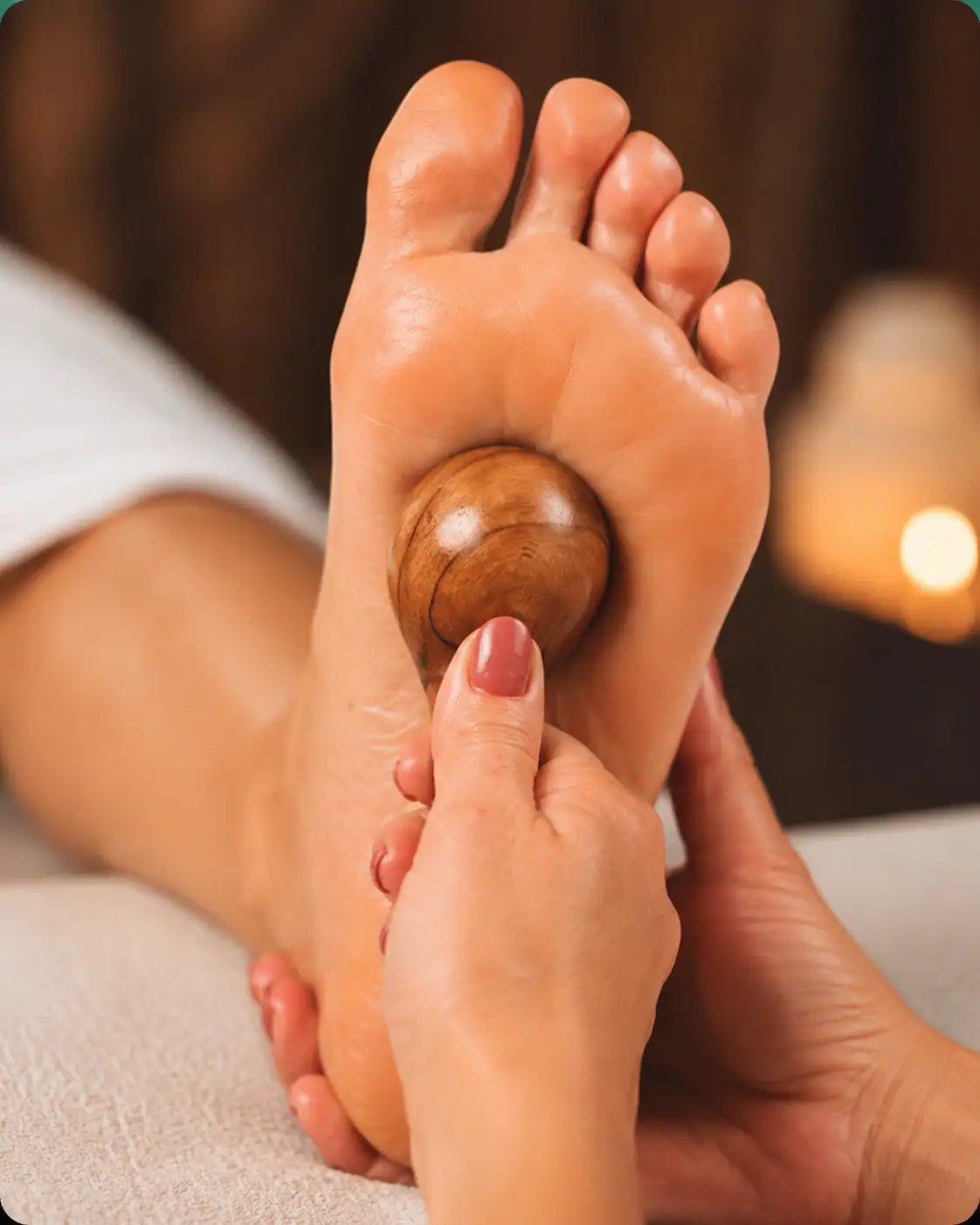
Foot reflexology is a complementary therapy that applies controlled pressure to specific areas of your feet. These areas, called reflex zones, are believed to correspond with organs and body systems. A reflexology session typically involves applying pressure to these zones using thumbs, fingers, or hand techniques.
Reflexology differs from a standard foot massage in approach and intention. A foot massage relaxes your entire foot through general techniques, while reflexology targets specific pressure points based on zone theory to influence distant body systems. Both offer valuable wellness benefits through different methods.
How Foot Reflexology Works: 3 Theories Explained
Three main frameworks explain how reflexology supports your wellness:
The Nervous System Theory
This approach is increasingly supported by research. Your feet contain thousands of nerve endings connected to your central nervous system. When pressure is applied to reflex zones, these nerves send signals to your brain and spinal cord.
This stimulation activates your parasympathetic nervous system, which promotes relaxation. A calmer nervous system enhances breathing, reduces muscle tension, and supports better blood flow. According to Cleveland Clinic’s guide to reflexology, this nervous system connection is one of the most researched mechanisms behind reflexology’s wellness effects.
The Zone Theory
Zone theory provides the traditional framework reflexology uses. This system divides your body into 10 vertical zones that correspond to zones on your feet. Your big toe represents zone 1 (associated with the brain and pituitary gland), and your pinky toe represents zone 5.
Practitioners map specific foot areas to organs. The arch relates to your liver and kidneys, while the heel connects to your lower back. This mapping guides where practitioners apply pressure for targeted wellness support. Many practitioners and clients report positive results using this system.
The Energy/Meridian Theory
Traditional Chinese medicine explains reflexology through energy pathways called meridians. According to this framework, vital energy (called “qi” or “chi”) flows through your body along these pathways. Reflexology is believed to enhance energy flow and restore balance.
This theory is central to how East Asian medicine approaches wellness and has supported healing practices for centuries. Many people experience profound benefits when approaching reflexology from this energy perspective.
Can Foot Reflexology Improve Blood Circulation? What the Evidence Shows
Blood circulation is essential for delivering oxygen and nutrients to your cells while supporting healthy function. Improved circulation supports overall health and natural healing processes. Many reflexology advocates report enhanced blood flow. Here’s what current research demonstrates:
How Reflexology May Enhance Circulation
When pressure is applied to your feet, blood vessels can dilate (expand). One proposed mechanism is the “nitric oxide theory”: stimulation may increase nitric oxide production, which relaxes blood vessel walls and supports better blood flow. Improved circulation allows your heart to work more efficiently while delivering oxygen and nutrients to tissues throughout your body.
Enhanced circulation also supports muscle relaxation and tissue wellness. Over time, improved blood flow may contribute to better overall cardiovascular function and natural healing capacity.
What Research Shows
Multiple peer-reviewed studies have examined reflexology’s effects on circulation and cardiovascular wellness. A meta-analysis published on NCBI examining reflexology’s effect on blood pressure and heart rate in cardiovascular patients found positive outcomes in multiple studies. Research on post-operative patients shows reflexology supported comfort and faster recovery.
Healthline’s overview of reflexology research notes that while current findings are promising, reflexology works best as part of a comprehensive wellness approach that includes exercise, healthy nutrition, and medical care when needed.
Does Foot Reflexology Support Body Detoxification? Understanding the Connection
Detoxification and wellness support are popular wellness goals. Many reflexology practitioners report that clients experience enhanced detoxification. Understanding how this works helps you make informed wellness choices.
How Reflexology May Support Detoxification
Your lymphatic system plays an important role in your body’s natural wellness processes. Unlike your circulatory system (which has the heart as a pump), your lymphatic system relies on muscle movement and external support to circulate lymph fluid effectively.
Reflexology practitioners work with reflex zones connected to your liver and kidneys, your body’s natural wellness organs. Increased circulation from reflexology may support your lymphatic system’s function. When your lymphatic system flows optimally, your body can process and manage metabolic wellness more effectively.
This connection makes sense: reflexology enhances circulation, and better circulation supports your body’s natural wellness systems. Research on lymphatic function suggests that manual therapies can support lymphatic circulation, which complements reflexology’s mechanisms.
How This Supports Your Wellness
Your liver and kidneys already manage your body’s natural wellness processes continuously. Reflexology can complement these natural functions by supporting circulation and promoting relaxation. Many people report feeling more energized and clear after reflexology sessions, which reflects enhanced overall wellness.
Think of reflexology as wellness support: it activates your body’s natural capacities rather than replacing them. When combined with hydration, movement, quality sleep, and healthy nutrition, reflexology becomes a powerful part of your comprehensive wellness strategy.
Who Benefits Most From Foot Reflexology?
Research supports reflexology’s benefits across several wellness areas:
Stress and Relaxation: Multiple studies show that reflexology effectively supports stress relief and promotes deep relaxation. If you’re seeking to manage daily stress, reflexology offers a pleasant, proven approach.
Sleep Quality: Research found that reflexology improved sleep quality for many people. This benefit is well-supported by scientific investigation.
Comfort and Wellness: Reflexology shows promise for supporting comfort and promoting healing, particularly for those managing physical tension or post-operative recovery.
Mental Clarity and Mood: Many people report improved focus, mental clarity, and emotional well-being after reflexology sessions.
Pregnancy and Maternal Wellness: Research shows reflexology may support comfort during pregnancy and labor. Work with practitioners trained in prenatal reflexology for optimal support.
General Wellness and Prevention: If you want to support overall wellness and prevention, reflexology offers a low-risk, holistic approach.
Important Considerations & Best Practices
Reflexology works best as part of your comprehensive wellness plan alongside professional medical care. This complementary approach helps you achieve optimal results
When to Discuss With Your Healthcare Provider:
- If you have circulation concerns or blood clotting considerations
- Recent foot surgery or significant foot sensitivity
- Active foot infections (reflexology can resume once resolved)
- During pregnancy (inform your reflexologist for optimal session customization)
- If you have reduced foot sensation or nerve-related considerations
Research Evolution: Scientific exploration of reflexology continues to advance. WebMD’s analysis of reflexology research notes that current studies represent early-stage investigation into this traditional practice. As more studies emerge, our understanding of reflexology’s mechanisms becomes clearer.
Foot Reflexology vs. Foot Massage: Key Differences
These approaches offer complementary benefits through different methods. A foot massage uses general massage techniques, kneading, rubbing, and stretching, to relax the entire foot. The goal is comfort and muscle relaxation.
Reflexology targets specific pressure points mapped to body systems. It’s more precise and intentional, based on zone theory. The goal is to activate your body’s wellness systems throughout your entire body. Both approaches provide valuable wellness support; choose based on your current wellness goals.
FAQ
FAQs
Q: Is reflexology comfortable?
A: Yes. Pressure should be firm but pleasant. A skilled reflexologist adjusts pressure to your comfort level, creating a relaxing experience you’ll look forward to.
Q: How many sessions create noticeable benefits?
A: Many people feel immediate relaxation during the first session. For deeper wellness benefits like improved sleep or enhanced vitality, try 3–6 sessions to experience meaningful change.
Q: How does reflexology work with my healthcare routine?
A: Reflexology complements your overall wellness plan beautifully. Discuss reflexology with your healthcare provider as part of your integrated wellness strategy.
Q: Who can benefit from reflexology?
A: Most people enjoy the benefits. Work with trained practitioners who can customize sessions for your unique wellness needs and considerations.
Q: How often should I get reflexology?
A: Weekly sessions support specific wellness goals effectively. For general wellness maintenance, monthly sessions work well. Your reflexologist can recommend the ideal frequency based on your objectives.
The Bottom Line: Why Reflexology Deserves a Place in Your Wellness Plan
Foot reflexology offers genuine, researched benefits, particularly for stress relief, relaxation, and overall wellness support. These benefits make reflexology a valuable complementary practice.
Reflexology works best when combined with healthy lifestyle choices, exercise, nutrition, hydration, and quality sleep. It’s an excellent complement to professional medical care and other wellness practices. When you approach reflexology as part of your complete wellness strategy, you maximize its potential to support your health and vitality.
If you’re interested in reflexology for stress relief, enhanced wellness, or relaxation, it’s worth exploring. Find a certified reflexologist, share your wellness goals clearly, and experience how this ancient practice supports your modern wellness journey.
Begin Your Reflexology Wellness Journey Today
Our certified reflexologists at Wealth of Wellness are ready to support your wellness goals. Schedule your reflexology appointment at +971 56 522 7986 to experience the benefits firsthand.
Explore our foot reflexology guides to deepen your understanding and discover how reflexology connects with complementary therapies like acupressure. Enhance your results by exploring lymphatic massage benefits as a powerful complement. Create your ideal wellness routine by combining reflexology with our stress management and meditation services.
Your wellness transformation begins with one mindful step forward.

DR. Aswathy Vishnu
Dr. Aswathy Vishnu, BAMS, MD (Ayurveda) is a qualified Ayurveda physician specializing in pain management, stress-related disorders, metabolic health, and chronic conditions. With advanced training from Amrita Vishwa Vidyapeetham, Kerala, she combines traditional Ayurvedic principles with personalized dietary, lifestyle, and wellness strategies to help patients achieve sustainable health outcomes.


Leave a Reply