
Finding Balance with Acupuncture in Dubai at WOW Wellness
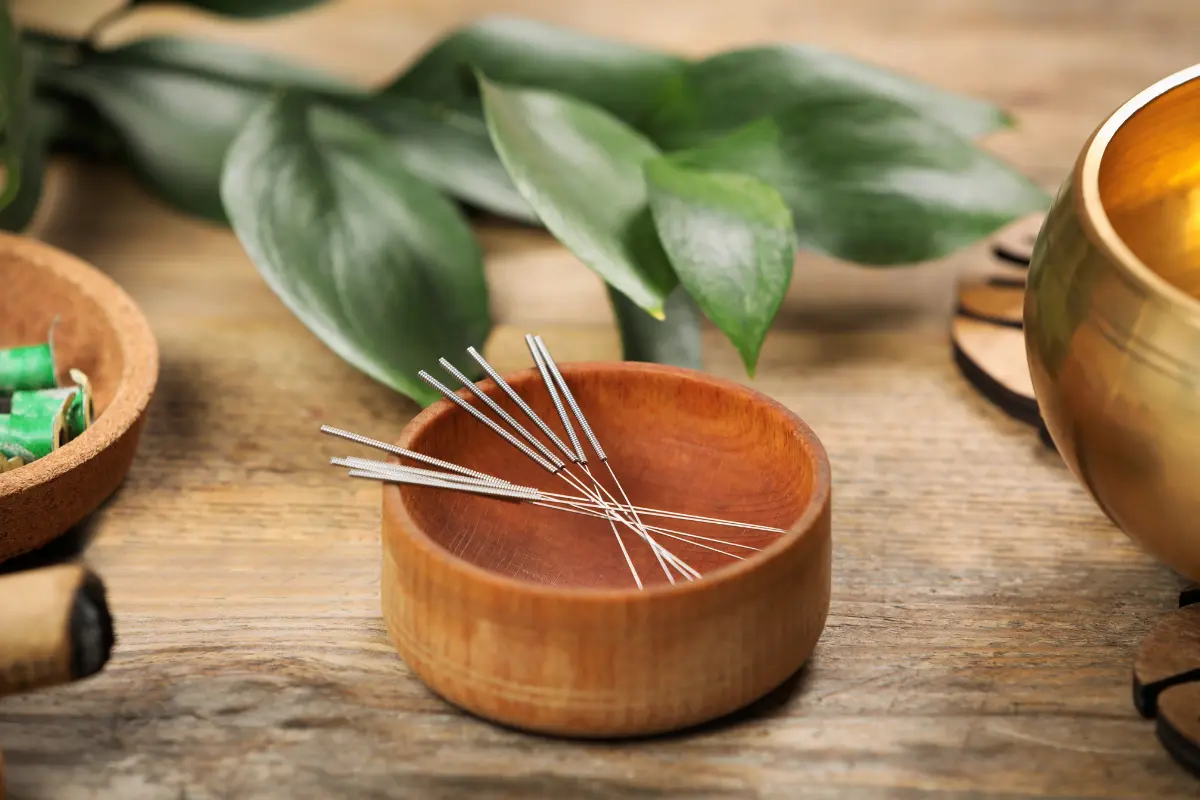
Acupuncture in Dubai is a popular choice for people who want to feel calmer, sleep better, and move with more ease. This guide is for busy residents and expats who are new to acupuncture or returning to it.
You will learn how acupuncture supports balance, what research says, and what happens in a session. You will also see how acupuncture at WOW fits into a personalised wellness plan in Jumeirah.
What Is Acupuncture?
Acupuncture is a therapy in which a trained practitioner places very fine, sterile needles at specific points on the body. The aim is to support the body's natural ability to regulate and restore itself.
Acupuncture comes from Traditional Chinese Medicine (TCM). People have used it in some form for at least 2,500 years. Today, it is used in 103 of 129 countries that reported data to the World Health Organization.
At WOW, acupuncture sits within our naturopathy therapies. Practitioners may use it alone or with related techniques, based on your goals.
How Acupuncture Supports Balance
Acupuncture supports balance by helping the body move from a stressed state to a calmer, restorative state. Two views explain how this happens: the traditional TCM view and the modern scientific view.
The Traditional View: Qi and Meridians
TCM describes Qi as the vital energy that flows through the body. Qi travels along pathways called meridians, and each meridian links to an organ system.
In this view, good health reflects a smooth, even flow of Qi. Stress, poor sleep or long hours at a desk can slow that flow. Acupuncture points sit along the meridians, so stimulating them helps restore an even flow. The same meridian map also guides meridian massage, a hands-on therapy at WOW.
The Modern View: Your Nervous System
Researchers describe acupuncture through the nervous system. Fine needles stimulate nerves in the skin and muscle, and those signals travel to the spinal cord and brain.
The US National Center for Complementary and Integrative Health (NCCIH) notes that acupuncture may affect nervous system function and the connective tissue around each point. Researchers also link it to the release of endorphins, the body's natural pain relievers.
Many people describe the result as a shift into "rest and digest" mode. Breathing slows, muscles soften and the mind feels quieter. That shift is what most people mean when they say acupuncture helps them feel balanced.
What Research Says About Acupuncture
Research suggests acupuncture may help with several types of long-term pain and with headache prevention. Studies on stress, anxiety and sleep are growing and show promising results.
- Chronic pain: A UK review funded by the National Institute for Health and Care Research looked at 29 trials with 17,922 adults. It found acupuncture eased musculoskeletal pain, knee osteoarthritis pain and chronic headaches more than usual care and more than sham acupuncture (NIHR Evidence).
- Back, neck and knee comfort: NCCIH reports that acupuncture may help back or neck pain and knee osteoarthritis pain. In some reviews, the benefit lasted up to a year after treatment ended.
- Headache and migraine: Evidence of moderate quality shows acupuncture may reduce how often migraines occur.
- Anxiety: A 2026 meta-analysis of 20 trials with 1,462 people found acupuncture reduced anxiety in the short term. Side effects were mild, such as brief discomfort or minor bleeding (PubMed).
Researchers also study "sham" acupuncture, where needles do not go into the skin. Real acupuncture usually shows a larger effect, though the gap is sometimes small. This is why practitioners set realistic goals with each person.
For a closer look at the science, read our guide on how acupuncture works.
Benefits of Acupuncture for Everyday Balance
Acupuncture offers benefits for both body and mind. Results vary from person to person, so your practitioner tailors each plan to your needs.
Stress and a Calmer Mind
Acupuncture may help your nervous system settle into a relaxed state. Many people leave a session feeling lighter and more focused. It pairs well with daily habits from our guide to everyday stress management.
If you want broader emotional support, explore our approach to holistic anxiety support in Dubai.
Restful Sleep
A calmer nervous system often makes it easier to fall asleep and stay asleep. Some people prefer an evening session so they can head home and rest. Our article on the causes of poor sleep explains other habits that support good rest.
Back, Neck and Joint Comfort
Pain relief is the most researched use of acupuncture. It may ease tension from long desk hours, driving or exercise. For deeper support, WOW also offers a joint and muscle programme that combines several therapies.
Headache and Migraine Support
Regular sessions may reduce how often headaches and migraines occur. In the UK, guidance supports a course of up to 10 sessions over 5 to 8 weeks for preventing tension-type headaches and migraines.
Steady Energy and Focus
Better sleep and a calmer mind often bring steadier energy through the day. Many people describe clearer thinking after a session. TCM practitioners link this to an even flow of Qi.
Who Can Benefit from Acupuncture in Dubai?
Acupuncture suits most healthy adults who want natural support for stress, sleep or physical comfort. It works well alongside the medical care you already receive.
- Busy professionals who want a calmer mind and steadier focus
- Desk workers and drivers with neck, shoulder or lower back tension
- Active people who want support for muscle recovery
- People with frequent headaches who want a preventive approach
- Anyone seeking balance as part of a wider holistic wellness routine
Your practitioner reviews your health history before the first session. This step makes sure acupuncture is a good fit for you.
Your First Acupuncture Session at WOW: Step by Step
An acupuncture session at WOW lasts 45 minutes. Each step is designed to keep you comfortable and informed.
- Consultation: Your practitioner asks about your health, sleep, stress and goals. They may also check your pulse and tongue, as TCM practitioners traditionally do.
- Preparation: You rest on a padded treatment table in a quiet room. A towel or sheet keeps you comfortable and covered.
- Needle placement: The practitioner places fine, single-use needles at chosen points. A typical treatment uses 5 to 20 needles. You may feel a brief, mild sensation, then a dull, heavy, or tingling feeling called deqi.
- Rest: The needles stay in place for about 20 to 30 minutes while you relax. Many people feel deeply calm or drift into light sleep.
- Removal and aftercare: The practitioner gently removes the needles. You then get simple tips, such as drinking water and keeping the rest of the day light.
Tip: Eat a light meal 1 to 2 hours before your visit and wear loose, comfortable clothes.
How Many Acupuncture Sessions Will You Need?
Most people need a short course of sessions to see steady progress. The exact number depends on your goal and how your body responds.
| Goal | Typical plan |
|---|---|
| A specific concern, such as stress or neck tension | 3 to 6 sessions, often weekly |
| A longer-standing concern | 6 to 8 sessions, often 1 to 2 per week at first |
| Ongoing balance and maintenance | Weekly or monthly "tune-up" sessions |
Mayo Clinic notes that 6 to 8 treatments are common, with one or two sessions a week to start (Mayo Clinic News Network). Your WOW practitioner reviews your progress at each visit and adjusts the plan.
Is Acupuncture Safe? Key Considerations
Acupuncture is generally safe when a trained practitioner uses sterile, single-use needles. The most common after-effects are mild soreness or a small bruise where a needle was placed.
In Dubai, the Dubai Health Authority (DHA) regulates complementary medicine practitioners and facilities. WOW is a DHA-regulated wellness centre. Global standards, such as the WHO benchmarks for the practice of acupuncture, also guide safe technique, hygiene, and facilities.
Share these details with your practitioner before your first session:
- You are pregnant or trying to conceive
- You take blood-thinning medicine or bruise easily
- You have a pacemaker or another implanted device
- You have a skin condition or infection near treatment areas
- You have a history of seizures or fainting
The NHS gives similar guidance. With this information, your practitioner can adjust points, technique or timing so your care stays safe and comfortable.
Pairing Acupuncture with Other WOW Therapies
Acupuncture often works best as one part of a wider plan. At WOW, practitioners can combine it with related therapies under one roof.
| Therapy | How it complements acupuncture |
|---|---|
| Electroacupuncture | Adds a gentle electrical pulse to the needles for steady, even stimulation |
| Auricular therapy and Sujok | Uses points on the ear, hands and feet; ear seeds can extend support between visits |
| Moxibustion | Applies soothing heat to acupuncture points; in Chinese, the two share one name |
| Cupping therapy | Uses gentle suction to ease muscle tension and support circulation |
| Guided meditation | Builds daily calm that carries the effects of each session forward |
| Shirodhara | An Ayurvedic therapy with a steady flow of warm oil on the forehead for deep relaxation |
Your practitioner suggests combinations based on your consultation. There is no need to book everything at once; most plans start simply and build over time.
Why Choose WOW for Acupuncture in Dubai
WOW combines clinical standards with a calm, personal setting. Here is what you can expect:
- DHA-regulated care: WOW is a DHA-regulated wellness centre supported by a panel of doctors.
- Personalised plans: Every plan starts with a consultation about your health, lifestyle and goals.
- Integrated therapies: Acupuncture, Ayurveda, naturopathy, yoga and meditation are available in one place.
- Convenient location: Villa 27 B, La Mer, Jumeirah 1, open every day from 8 AM to 8 PM.
- Clear pricing: A 45-minute acupuncture session costs AED 300.
- Easy access: WOW offers preferential rates for Fazaa and Esaad cardholders. The team also provides documents for insurance claims; check eligibility with your provider.
Frequently Asked Questions
Does acupuncture hurt?
Most people feel little or no pain. The needles are very fine, so you may notice only a brief prick, then a dull, heavy or tingling feeling. Tell your practitioner if anything feels uncomfortable, and they will adjust.
How long does an acupuncture session take at WOW?
A session at WOW lasts 45 minutes. This includes a short check-in, needle placement and 20 to 30 minutes of rest.
How much does acupuncture cost in Dubai?
Prices vary between clinics. At WOW, a 45-minute acupuncture session costs AED 300, and Fazaa and Esaad cardholders receive preferential rates.
Is acupuncture covered by insurance in the UAE?
Coverage depends on your insurance plan. WOW provides the documents you need to submit a claim, so check with your provider about your plan's eligibility.
How soon will I feel a difference?
Some people feel calmer after the first session. For a specific goal, steady progress usually builds over 3 to 6 sessions.
Can I combine acupuncture with my current medical treatment?
Yes, in most cases acupuncture complements medical care. Tell both your doctor and your practitioner about all treatments and medicines you use.
What should I do after a session?
Drink water, eat a light meal and keep the rest of your day gentle. A short walk or quiet evening helps you enjoy the calm afterwards.
How do I choose a qualified acupuncturist in Dubai?
Choose a practitioner at a DHA-licensed facility who uses single-use, sterile needles. Ask about their training and how they will tailor your plan.
Begin Your Balance Journey
Balance builds one calm session at a time. Acupuncture at WOW gives you a quiet space, a personal plan, and a team that supports your whole wellbeing.
Ready to try it? Book your session, and our wellness consultant will confirm a time that suits you.
Sources
- Acupuncture: Effectiveness and Safety – NCCIH
- Acupuncture shown to have benefits for treatment of some chronic pain – NIHR Evidence
- Acupuncture for Anxiety: A Systematic Review and Meta-Analysis (2026) – PubMed
- Mayo Clinic Q and A: Curious about acupuncture? – Mayo Clinic News Network
- WHO benchmarks for the practice of acupuncture – World Health Organization
- Herbal medicines and complementary therapies – NHS

Afsin Khudalkar
Wellness & Healing Practitioner | Dubai Afsin Kudalkar is a multi-certified holistic wellness practitioner offering integrative healing services across four specialized modalities. Certified in Sound Healing (Rieshi Institute, 3 years), Vinyasa Yoga (Vinyasa Yoga Academy, 3 years), Reiki (Usui Shiki Ryoho lineage, 1 year), and Aura Healing (Rieshi Pune, 3 years), she brings a decade of combined practice to restoring balance across body, mind, and spirit. Her sound healing sessions harness vibrational frequencies for stress relief and inner harmony, while her Vinyasa classes build strength and breath-movement connection for all levels. As a traditional Reiki healer, Afsin channels universal life energy for deep healing, and her aura work clears energetic blockages and realigns vital fields. Based in Dubai, she creates safe, nurturing spaces for transformative wellness journeys.

Leave a Reply