
Meditation: A Simple & Effective Way to Reduce Stress
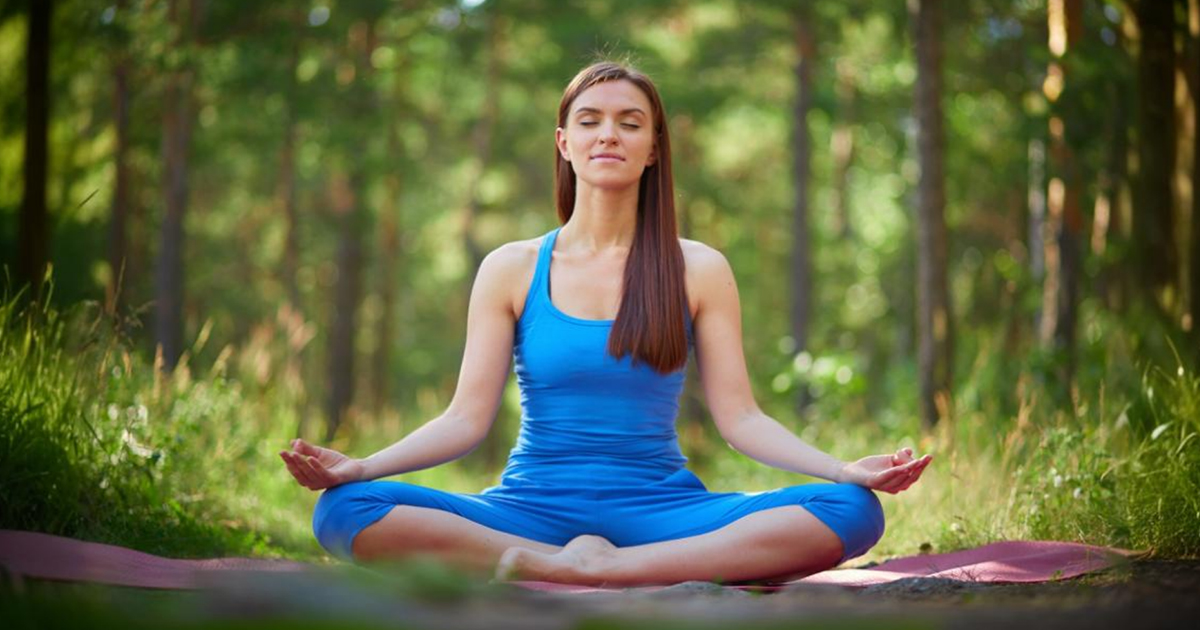
Meditation to reduce stress is one of the simplest tools you can use every day. It needs no equipment, costs nothing, and works in a few minutes.
This guide is for busy professionals, parents, and anyone in Dubai who feels stretched thin. You will learn how meditation calms your body, what research really shows, and which technique suits your kind of stress.
You will also get a 6-step method, a 7-day starter plan, and quick practices for workdays. Meditation works best alongside other stress management techniques, such as sleep, movement, and support.
What Is Meditation?
Meditation is a practice that trains your attention and awareness to calm the mind and body.
Most forms ask you to rest your focus on one anchor. The anchor can be your breath, a sound, a word, or a body sensation. When your mind wanders, you gently bring it back.
Meditation began thousands of years ago in Eastern traditions. Today, most people use it for relaxation. The U.S. National Center for Complementary and Integrative Health (NCCIH) reports that about 92% of people who practise mindfulness meditation do it to relax or reduce stress.
How Does Meditation Reduce Stress?
Meditation reduces stress by calming your nervous system, lowering physical stress signals, and changing how you respond to stressful thoughts. These three effects work together.
It Switches On the Relaxation Response
Stress triggers the fight-or-flight response. Your heart beats faster, your breathing speeds up, and your muscles tighten.
Cardiologist Dr Herbert Benson at Harvard Medical School described the opposite state. He called it the relaxation response. Harvard Health explains that slow breathing and focused attention can bring this state on.
In simple terms, meditation moves your body from “alert” mode to “rest” mode.
It Lowers Physical Stress Markers
Meditation has measurable effects on the body. A 2017 review of 45 controlled trials in the Journal of Psychiatric Research found that meditation lowered cortisol, systolic blood pressure, and heart rate.
Cortisol is the body’s main stress hormone. Lower levels are linked with a calmer, less reactive state.
It Changes How You React to Stressful Thoughts
Meditation teaches you to notice a thought without following it. You see “I’m behind on everything” as a thought, not a fact.
This small gap gives you a choice. You can respond calmly instead of reacting on autopilot. Over time, this skill builds emotional resilience.
What Does the Research Say?
Research shows that meditation can bring small to moderate reductions in stress, anxiety, and low mood. It is a helpful tool, not a cure.
- Psychological stress: A 2014 JAMA Internal Medicine review of 47 trials and 3,515 people found that mindfulness programmes improved anxiety and depression. The researchers advised clinicians to discuss meditation with patients who feel stressed.
- Anxiety disorders: A 2022 Georgetown University trial published in JAMA Psychiatry followed 276 adults. An 8-week Mindfulness-Based Stress Reduction (MBSR) course worked as well as a common anxiety medicine.
- Sleep: NCCIH notes that mindfulness meditation may help reduce insomnia and improve sleep quality.
The evidence also has limits. Many studies are small, and results vary from person to person. Regular practice matters more than any single session.
Benefits of Meditation for Stress
Regular meditation may help you feel calmer, sleep better and think more clearly under pressure. People often notice these benefits:
- A calmer body: slower breathing, a lower resting heart rate and less muscle tension.
- Better sleep: a quieter mind at bedtime. If you have ongoing trouble sleeping, meditation can support your sleep routine.
- Clearer focus: practice trains attention, so tasks feel less scattered.
- Emotional balance: you pause before reacting to a difficult email or conversation.
- Greater self-awareness: you notice early signs of stress, such as a tight jaw or shallow breath.
- A new view of stressors: problems feel more manageable when the mind is settled.
Meditation offers many wider benefits beyond stress, including better mood and concentration.
Which Type of Meditation Is Best for Stress?
The best type of meditation for stress is the one you will practise regularly. Mindfulness has the strongest research base, but your stress pattern can guide your choice.
Mayo Clinic describes meditation as an umbrella term for many paths to a relaxed state. Use this table to find your starting point.
| Type | Best for | How it works | Time to start |
|---|---|---|---|
| Breath awareness | Beginners; sudden stress | Slow belly breathing with attention on each breath | 3–5 min |
| Mindfulness meditation | Racing thoughts; worry | Notice thoughts and feelings without judging them | 5–10 min |
| Body scan | Physical tension; headaches | Move attention through the body and release tight areas | 10 min |
| Guided meditation | Busy minds; first-timers | A teacher or recording leads you with words and imagery | 10–20 min |
| Yoga Nidra | Poor sleep; exhaustion | Guided deep relaxation while lying down | 20–30 min |
| Mantra meditation | Constant mental chatter | Silently repeat a calming word or phrase | 10 min |
| Loving-kindness and forgiveness meditation | Relationship stress; resentment | Focus on warm wishes for yourself and others | 10 min |
| Walking meditation or yoga | Restlessness; desk-bound days | Pair slow movement with breath and attention | 10–15 min |
| Sound bath | People who find silence hard | Rest while singing bowls and gongs hold your focus | 45–60 min |
If sitting still feels difficult, start with movement. Gentle yoga for work-life balance works as a moving meditation.
How to Meditate for Stress Relief: 6 Simple Steps
You can start meditating today with these six steps. The whole practice takes 5 to 10 minutes.
- Choose a time. Pick a regular slot, such as after waking or before bed. A fixed time builds the habit faster.
- Find a quiet spot. Silence your phone and close the door. A chair, cushion or bed all work.
- Sit comfortably. Keep your back upright but relaxed. Rest your hands on your lap and close your eyes or lower your gaze.
- Breathe slowly. Breathe in through your nose for a count of four. Breathe out for a count of six. Let your belly rise and fall.
- Rest on your anchor. Keep your attention on the breath. When a thought appears, label it “thinking” and return to the breath.
- Close gently. Take three deeper breaths. Notice how your body feels, then open your eyes slowly.
A wandering mind is normal. Each return to the breath is one “rep” that strengthens your focus.
A 7-Day Starter Plan
This plan builds a daily habit in one week, moving from 5 to 15 minutes.
| Day | Minutes | Practice |
|---|---|---|
| 1 | 5 | Breath awareness (4-in, 6-out breathing) |
| 2 | 5 | Breath awareness + counting breaths from 1 to 10 |
| 3 | 8 | Body scan, head to toe |
| 4 | 8 | Mindfulness: notice and label thoughts |
| 5 | 10 | Guided meditation recording or class |
| 6 | 10 | Walking meditation outdoors or indoors |
| 7 | 15 | Your favourite practice from the week |
After day 7, keep the practice you enjoyed most. Harvard Health suggests building towards about 20 minutes a day, though even a few minutes helps.
Quick Meditations for Busy Days in Dubai
Short practices of 1 to 3 minutes can calm stress in the middle of a busy day.
- In traffic: At a red light, relax your grip on the wheel. Take three slow breaths and drop your shoulders. Keep your eyes open and on the road.
- At your desk: Before a meeting, feel your feet on the floor for one minute. Teams can build this into a corporate wellness programme.
- After screen time: Close your laptop and look at something far away. Breathe slowly for two minutes. A regular digital detox supports this habit.
- Before sleep: Lie down and do a 3-minute body scan. Release each area from your feet to your forehead.
How Long Before You Feel Less Stressed?
Many people feel calmer after a single session. Lasting change usually builds over several weeks of regular practice.
In the 2022 Georgetown trial, people practised MBSR for 8 weeks before researchers measured the main results. Look for these signs that meditation is working:
- You fall asleep more easily.
- You notice stress earlier in your body.
- You recover faster after a tense moment.
- You react less sharply to small problems.
Is Meditation Safe for Everyone?
Meditation is safe for most healthy people. NCCIH notes that some people may feel uncomfortable emotions during practice, such as brief anxiety.
Talk to your doctor before starting if you have:
- A mental health condition, such as PTSD, severe depression or psychosis
- A breathing or heart condition that makes deep breathing difficult
- Recent trauma or grief that feels overwhelming
Meditation complements medical and psychological care. It does not replace it. If stress turns into constant worry, panic or low mood, seek professional support for anxiety in Dubai or speak with your GP.
Guided Meditation at Wealth of Wellness, Dubai
Wealth of Wellness (WOW) offers guided meditation in Jumeirah 1, La Mer, for beginners and experienced meditators. A trained teacher helps you build a steady practice with less guesswork.
WOW teaches many techniques, including:
- Mindfulness Meditation
- Yoga Nidra and Deep Relaxation Technique (DRT)
- Chakra Balancing and Crystal Meditation
- Vipassana and Antar Mauna
- Laughter Meditation
- New Moon and Full Moon group meditations
You can join meditation classes in Dubai for weekly support. For a deeper reset, WOW’s De-Stress programme offers a longer, structured retreat from daily stress.
Frequently Asked Questions
How many minutes a day should I meditate to reduce stress?
Start with 5 minutes a day. Build towards 15 to 20 minutes as the habit grows. Harvard Health suggests about 20 minutes daily, but even a few minutes can help. Consistency matters more than length, so a short daily session beats one long weekly session.
Which type of meditation is best for stress and anxiety?
Mindfulness meditation has the strongest research support for stress and anxiety. Beginners often find breath awareness or guided meditation easier. If you carry stress in your body, try a body scan. If you struggle to sit still, try walking meditation or gentle yoga.
Is meditation better than medication for stress?
Meditation and medication do different jobs. A 2022 trial found an 8-week MBSR course worked as well as a common medicine for anxiety disorders. Still, never stop or change prescribed medicine without your doctor. Many people benefit from using both together under medical guidance.
Can meditation make anxiety worse?
Some people feel brief anxiety or strong emotions when they first sit quietly. This is usually temporary. Keep sessions short, open your eyes if needed, and try guided practice. If distress continues or feels intense, pause meditation and speak with a qualified professional.
Can I meditate lying down or at my desk?
Yes. You can meditate sitting, lying down, standing or walking. Lying down suits Yoga Nidra and bedtime body scans, though you may fall asleep. At your desk, keep your eyes open, feet on the floor, and focus on three slow breaths.
What should I do when my mind keeps wandering?
A wandering mind is normal, even for experienced meditators. Notice where your mind went, label it “thinking”, and return to your breath. Do not judge yourself. Each return strengthens your attention, like repetition at the gym.
Where can I learn meditation in Dubai?
You can learn meditation at Wealth of Wellness in Jumeirah 1, La Mer. WOW offers guided group and private sessions, including mindfulness, Yoga Nidra and moon meditations. Explore meditation classes in Dubai to find a format that fits your schedule.
Conclusion
Meditation is a simple, research-backed way to reduce stress. A few minutes of slow breathing and focused attention can calm your body and steady your mind.
Start with 5 minutes today and follow the 7-day plan. If you want expert guidance, book a session with Wealth of Wellness and take your first step towards a calmer, more balanced life.
Health note: This article is for general information only. It is not medical advice. Please consult a qualified healthcare professional about any health concern.
References
- National Center for Complementary and Integrative Health. Meditation and Mindfulness: Effectiveness and Safety. Updated June 2022.
- Corliss J. Six relaxation techniques to reduce stress. Harvard Health Publishing.
- Goyal M, et al. Meditation programs for psychological stress and well-being. JAMA Internal Medicine. 2014;174(3):357–368.
- Pascoe MC, et al. Mindfulness mediates the physiological markers of stress. Journal of Psychiatric Research. 2017;95:156–178.
- Georgetown University Medical Center. Mindfulness-based stress reduction is as effective as an antidepressant drug for treating anxiety disorders. ScienceDaily, 9 November 2022.
- Mayo Clinic Staff. Meditation: A simple, fast way to reduce stress. Mayo Clinic, 14 December 2023.

Amsalekha Muniraj
Amsalekha is an internationally certified yoga instructor (RYT 700) and wellness expert with 5+ years of teaching experience. She specializes in Ashtanga Vinyasa, Power Yoga, Aerial Yoga, and Sound Healing Therapy, serving students from beginners to advanced practitioners globally. Certified in multiple yoga disciplines, Ayurvedic holistic therapy, and sound healing, Amsalekha combines traditional wisdom with modern wellness science. She has led major workshops, including a 108 Surya Namaskar session with 4,000+ participants, and continues to help students build strength, reduce stress, and achieve holistic well-being.

Leave a Reply