
How Yoga Can Transform Your Life: A Beginner's Guide
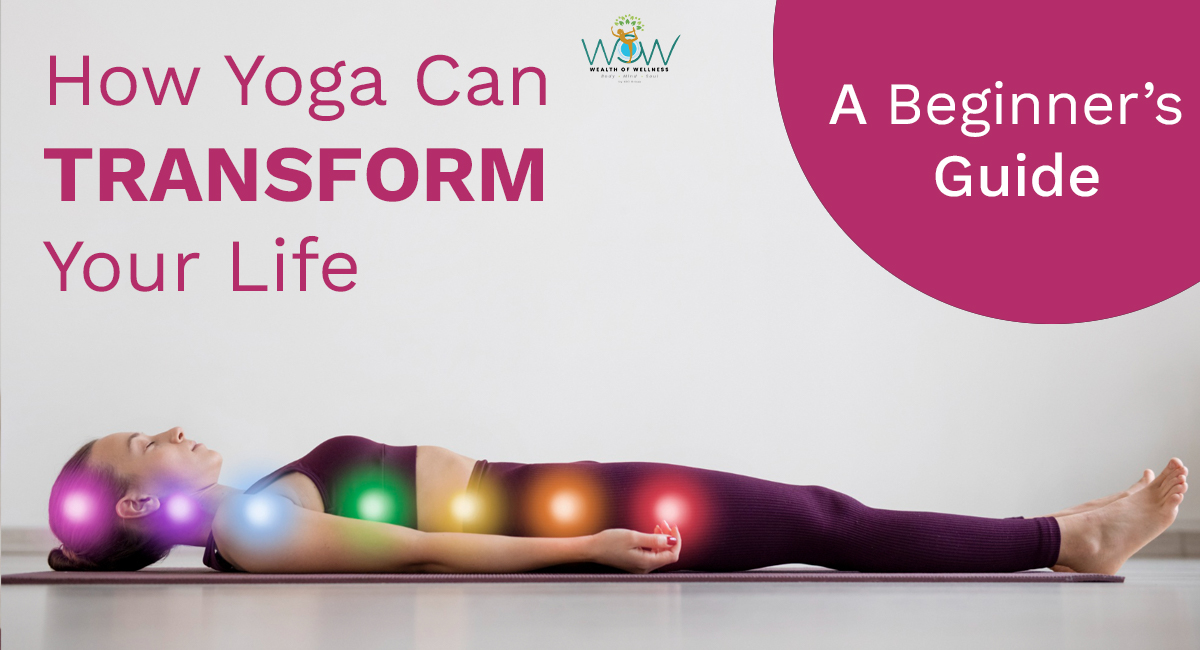
How yoga can transform your life starts with small changes in your breath, body and focus. A few weeks of steady practice can bring calmer days, easier movement and better sleep.
This guide is for beginners in Dubai who want to start yoga with confidence. You will learn what yoga is, what research says it changes, how long results take, which style suits you, and a simple 30-day plan to begin.
What Is Yoga?
Yoga is a mind-body practice that combines physical postures, breathing techniques and meditation. It began in ancient India and is now practised around the world.
The word comes from the Sanskrit root yuj, which means to unite or connect. Yoga connects body, breath and mind in one practice.
Modern classes focus on three parts:
- Asana: physical postures that build strength, flexibility and balance.
- Pranayama: breathing techniques that steady the nervous system.
- Dhyana: meditation that trains calm, focused attention.
The sage Patanjali wrote the first known text on yoga, the Yoga Sutras, more than 2,000 years ago. He described yoga as "stilling the mind" and set out eight limbs, from ethical living to meditation. You can read more about how yoga philosophy evolved.
In 2014, the United Nations adopted resolution A/RES/69/131 and named 21 June the International Day of Yoga. Learn how the practice grew into a global movement in the rise of international yoga.
How Can Yoga Transform Your Life?
Yoga transforms your life by improving how your body moves, how your mind handles pressure and how well you rest. These changes build on each other, so small gains in one area support the others.
The U.S. National Center for Complementary and Integrative Health (NCCIH) reports that yoga may help people manage stress, support healthy habits, and improve mental and emotional health, sleep and balance (NCCIH).
A Stronger, More Flexible Body
Holding a pose builds muscle strength, while slow movement and deep breathing warm the muscles and improve range of motion. Johns Hopkins Medicine lists better strength, balance and flexibility as the first of yoga's nine benefits (Johns Hopkins Medicine).
In one study of healthy, untrained volunteers, eight weeks of yoga raised muscle strength at the elbow and knee by about 10% to 30% (The Conversation). Flexibility at the ankle, shoulder and hip also improved.
A Calmer Mind and Better Stress Management
Slow breathing and focused movement help the body settle into a relaxed state. A 2020 review of 12 studies found yoga had a beneficial effect on perceived stress in healthy adults (NCCIH).
Regular practice over eight to 12 weeks has also been linked to moderate reductions in anxiety and low mood. Yoga pairs well with other simple stress management techniques and with meditation for a calm mind.
Deeper, More Restful Sleep
Gentle evening yoga helps the body shift from a busy day into rest. NCCIH notes that multiple studies show yoga can support better sleep, including in older adults and women with sleep difficulties.
A short wind-down practice of slow breathing and supported poses fits easily into a bedtime routine. For more ideas, see these tips for better sleep.
Healthier Daily Habits
Yoga often inspires wider lifestyle changes. Studies reviewed by NCCIH found that people who join yoga programmes are often motivated to eat healthier and stay more active.
Many busy professionals use short sessions to protect time for themselves after work. Learn how in our guide to yoga for work-life balance.
Greater Self-Awareness and Community
Yoga teaches you to notice your breath, posture and thoughts in the present moment. This awareness helps you respond to daily situations with more patience and clarity.
Group classes add a sense of belonging. Johns Hopkins Medicine notes that yoga classes connect people with a supportive community and encourage better self-care.
How Long Does It Take to See Results From Yoga?
Most beginners notice a calmer mood within the first few sessions, and physical changes within a few weeks. Research suggests you may need a couple of weeks of regular practice to feel clear benefits.
| Time practising | What many beginners notice |
|---|---|
| First session | A relaxed body and a quieter mind after class |
| 2–4 weeks | Easier breathing, less stiffness, a more regular sleep routine |
| 8 weeks | Measurable gains in strength and flexibility in research studies |
| 8–12 weeks | Better stress management and a steadier mood in research studies |
| 3 months and beyond | Yoga feels like a natural habit, with steady balance and confident poses |
Results depend on how often you practise, the style you choose and your starting point. Consistency matters more than session length.
Which Type of Yoga Is Best for Beginners?
Hatha yoga is the best starting point for most beginners because it moves slowly and holds each pose. The right style for you depends on your goal, energy and schedule.
| Style | Best for | Pace | Best time |
|---|---|---|---|
| Hatha | Learning the basics, relaxation | Slow, steady holds | Any time |
| Vinyasa | Energy and fitness | Flowing, moderate to brisk | Morning |
| Yin or restorative | Unwinding and sleep | Very slow, long supported holds | Evening |
| Chair yoga | Desk breaks, limited mobility, older adults | Gentle, seated | Workday |
| Prenatal yoga | Pregnancy, with a doctor's approval | Gentle, adapted | Morning or afternoon |
| Aerial yoga | Variety and a supported full-body stretch | Moderate, guided | Any time |
Curious about the hammock? Read our guide to aerial yoga classes in Dubai. Expectant mothers can also explore our prenatal and postnatal care.
Ayurveda, yoga's sister science, also matches practice to your body type. Discover your Ayurvedic body type (dosha) to fine-tune your routine.
7 Beginner Yoga Poses to Start With
These seven poses build a safe foundation. Hold each one for 3 to 5 slow breaths, and move only within a comfortable range.
- Mountain Pose (Tadasana): Stand tall with feet hip-width apart. It teaches posture and steady breathing.
- Child's Pose (Balasana): Kneel, sit back on your heels and fold forward. It is a restful pose you can return to at any time.
- Cat-Cow (Marjaryasana-Bitilasana): On hands and knees, gently arch and round your back. It warms the spine.
- Downward-Facing Dog (Adho Mukha Svanasana): Lift your hips to form an upside-down V. It stretches the back of the legs and strengthens the arms.
- Tree Pose (Vrikshasana): Stand on one leg with the other foot on your calf or inner thigh. It builds balance and focus.
- Warrior II (Virabhadrasana II): Step wide, bend the front knee and reach both arms out. It builds leg strength and stamina.
- Corpse Pose (Savasana): Lie on your back and relax completely. It lets the body absorb the practice.
Ready for more? Explore more beginner yoga poses and their benefits.
How to Start Yoga: A 30-Day Beginner Plan
Start with 15 minutes, three times a week, and build gradually. These four steps set you up well:
- Set one goal. Choose a clear reason, such as better sleep, less stiffness or a calmer mind.
- Find a qualified teacher. NCCIH advises learning with a qualified instructor, since practising alone without supervision is linked to a higher risk of injury.
- Prepare the basics. Wear comfortable clothing and use a non-slip mat. Blocks and a strap make poses easier.
- Follow a simple schedule. Use the weekly plan below and track how you feel.
| Week | Sessions | Focus |
|---|---|---|
| Week 1 | 3 × 15 minutes | Mountain, Cat-Cow, Child's Pose, Savasana and 2 minutes of slow breathing |
| Week 2 | 3–4 × 20 minutes | Add Downward-Facing Dog and Tree Pose |
| Week 3 | 4 × 20–25 minutes | Add Warrior II and join one guided class |
| Week 4 | 4–5 × 25–30 minutes | Practise all seven poses as one sequence and add 5 minutes of meditation |
By week 4, you practise about two hours a week. The World Health Organization recommends that adults get at least 150 minutes of moderate activity each week (WHO). A brisk yoga flow counts towards this, and walking or swimming can fill the rest.
Tips for Practising Yoga Safely in Dubai
Yoga is generally safe for healthy people when practised appropriately. A few local habits keep your practice comfortable all year:
- Choose indoor classes in summer. From May to September, practise in air-conditioned studios or at home.
- Time outdoor sessions well. In cooler months, enjoy early morning or sunset practice on the beach or in a park.
- Hydrate before and after. Drink water steadily through the day, and more after warm or flowing classes.
- Check credentials. Look for teachers registered with Yoga Alliance, such as RYT 200 or RYT 500.
- Talk to your doctor when needed. This is a good idea if you are pregnant, recovering from an injury or managing a health condition. Tell your teacher too.
- Listen to your body. Ease out of any pose that causes pain, and save inversions for later.
Start Your Yoga Journey at Wealth of Wellness
Wealth of Wellness (WOW) is a DHA-regulated holistic wellness centre in Jumeirah 1, La Mer, Dubai. Our certified teachers guide beginners and regular practitioners at their own pace.
- Beginner yoga sessions: guided classes that teach alignment and breathing from day one.
- Stress support: our Destress programme combines yoga, breathwork and calming therapies.
- Teacher training: committed students can deepen their practice through our 200-hour yoga teacher training in Dubai.
Every journey starts with one class. Book a beginner session and we will help you choose the right style.
Frequently Asked Questions
Can yoga really change your life?
Yes, yoga can bring real, lasting change through steady practice. Research links regular yoga with better stress management, sleep, strength, flexibility and balance. Many people also build healthier habits and more self-awareness. Change comes gradually, one session at a time.
How long does it take for yoga to change your body?
Many beginners feel looser within two to four weeks. In one study, eight weeks of yoga improved muscle strength by about 10% to 30% in healthy, untrained adults. Practising three or more times a week gives the clearest results.
Do I need to be flexible to start yoga?
No, you do not need to be flexible to start yoga. Flexibility grows through practice. A good teacher offers simpler versions of each pose, and props such as blocks and straps bring the floor closer to you.
How often should a beginner do yoga?
Two to three sessions a week of 15 to 30 minutes is a good start. Build up to four or five sessions as you feel comfortable. Short, regular sessions work better than one long class a week.
Can I learn yoga at home as a beginner?
Yes, but start with a few guided classes first. NCCIH advises learning with a qualified instructor, because practising alone without supervision is linked to more injuries. Once you know the basic poses, short home sessions are easy to keep up.
Which type of yoga is best for beginners?
Hatha yoga is the best type for most beginners. It moves slowly, holds each pose and explains alignment. Choose Yin or restorative yoga for relaxation, and Vinyasa once you want a more active flow.
Is yoga safe in Dubai's summer heat?
Yes, yoga is safe in summer when you practise indoors in an air-conditioned space. Drink water before and after class, and avoid outdoor sessions during the hottest hours. Gentle styles suit the warmest months well.
What should I bring to my first yoga class?
Bring comfortable, stretchy clothes, a water bottle and a small towel. Most studios provide mats and props, so check before you go. Arrive ten minutes early to tell your teacher about any injuries or health conditions. If you would like a deeper reset, read about the benefits of a yoga retreat in Dubai.
Conclusion
How yoga can transform your life comes down to steady practice. A few sessions each week can bring a stronger body, a calmer mind, better sleep and healthier habits.
Start with 15 minutes and the seven poses in this guide. When you are ready for expert guidance, the WOW team is here to help.
This article shares general wellness information. Yoga complements, but does not replace, medical care. Please speak to your doctor before starting if you are pregnant or managing a health condition. See our disclaimer for details.
Sources
- National Center for Complementary and Integrative Health. 5 Things You Should Know About Yoga.
- National Center for Complementary and Integrative Health. Yoga: Effectiveness and Safety.
- Johns Hopkins Medicine. 9 Benefits of Yoga.
- The Conversation. Yoga: Modern research shows a variety of benefits to both body and mind from the ancient practice.
- World Health Organization. Physical activity fact sheet.
- United Nations DESA. International Day of Yoga.

Amsalekha Muniraj
Amsalekha is an internationally certified yoga instructor (RYT 700) and wellness expert with 5+ years of teaching experience. She specializes in Ashtanga Vinyasa, Power Yoga, Aerial Yoga, and Sound Healing Therapy, serving students from beginners to advanced practitioners globally. Certified in multiple yoga disciplines, Ayurvedic holistic therapy, and sound healing, Amsalekha combines traditional wisdom with modern wellness science. She has led major workshops, including a 108 Surya Namaskar session with 4,000+ participants, and continues to help students build strength, reduce stress, and achieve holistic well-being.

Leave a Reply