
Nurturing Motherhood: The Transformative Power of Prenatal Workshops

This guide is for expectant mothers and their birth partners who want to feel ready for birth and early motherhood. You will learn what a prenatal workshop is, what it teaches, and when to join one. You will also learn how to choose the right workshop in Dubai and how a holistic approach supports your body and mind. By the end, you will know which questions to ask and what your next step can be.
What Is a Prenatal Workshop?
A prenatal workshop is a guided learning session for pregnant women and their partners. It prepares you for pregnancy, birth, and the first weeks with your baby. Most workshops combine practical skills, gentle movement and expert advice.
Prenatal workshops are also called antenatal workshops or birth preparation classes. A qualified instructor, midwife or wellness practitioner usually leads them. Sessions can run in person, online, in a small group or one-to-one.
Prenatal Workshop vs Prenatal Class vs Prenatal Course
The three terms overlap, but each format suits a different need.
| Format | Typical length | Best for |
|---|---|---|
| Prenatal workshop | One focused session of 2–4 hours | Learning one skill in depth, such as breathwork or birth positions |
| Prenatal class | A regular weekly session of about 60–90 minutes | Ongoing practice, such as prenatal yoga |
| Prenatal course | A series of 4–8 sessions | Complete preparation from labour to newborn care |
Many mothers combine formats. For example, a weekly prenatal yoga class pairs well with a one-day birth preparation workshop.
What You Learn in a Prenatal Workshop
Prenatal workshops cover your body, your mind and your baby. The NHS lists the common topics: staying healthy, suitable exercise, labour, relaxation, birth choices, newborn care and emotional wellbeing. A holistic workshop adds traditional self-care practices to this foundation. Read our guide to holistic pregnancy care for the full mind-body view.
Birth Preparation and the Stages of Labour
You learn how labour begins and how it progresses. Instructors explain the early, active and pushing stages in simple terms. You also explore birth positions and comfort options. This knowledge helps you talk clearly with your doctor or midwife about your preferences.
Breathwork and Relaxation Techniques
Breathwork is one of the most practical skills you take home. You practise slow, deep breathing through the nose, which can help with breathlessness in pregnancy and with working through contractions, according to Mayo Clinic. In yoga traditions, this practice is called pranayama. For more calming tools, explore our stress management techniques.
Gentle Movement and Prenatal Yoga
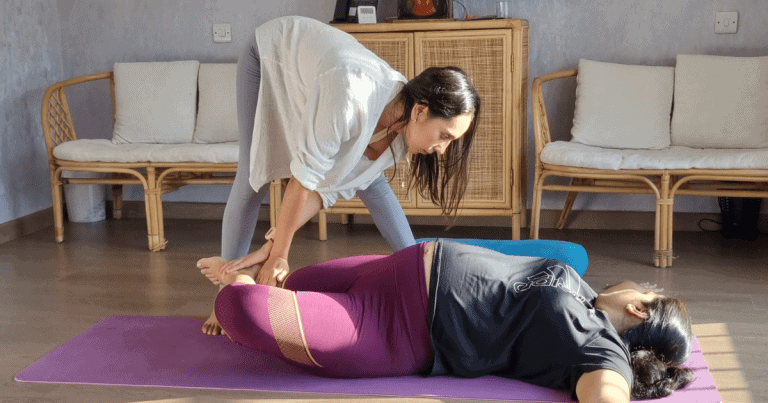
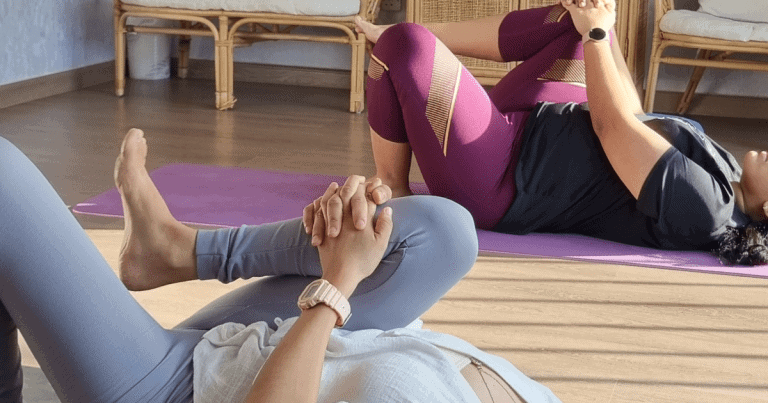
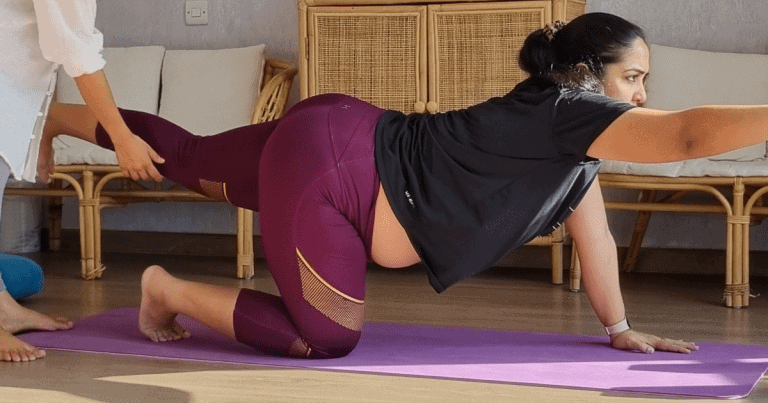
Prenatal yoga uses gentle stretches, supported postures and props such as cushions and blocks. The movements build strength, flexibility and endurance for birth. Each pose is adapted to your trimester and comfort. Learn more about our philosophy in discovering the path of yoga at WOW Wellness.
Pelvic Floor Awareness
The pelvic floor muscles support your bladder, bowel and uterus. Workshops teach you how to find, relax and strengthen these muscles. This awareness supports comfort in pregnancy, during birth and in recovery afterwards.
Nutrition and Ayurvedic Self-Care
Workshops often include simple nutrition guidance for each trimester. A holistic workshop may also introduce Ayurvedic self-care. In Ayurveda, care for the pregnant mother is called Garbhini Paricharya. It focuses on fresh, nourishing food, daily routine, rest and calm. Our guide to the three Ayurvedic doshas explains how Ayurveda personalises this care.
Gentle oil massage is another part of Ayurvedic pregnancy care. Prenatal Abhyangam uses warm oils on the limbs and back, usually in the second and third trimesters. Read about the benefits of Abhyanga massage to see how it supports relaxation.
Emotional Wellbeing and Bonding with Your Baby
Pregnancy brings many emotions, and workshops give them space. Guided meditation, journaling prompts and group sharing help you feel calm and connected. Many workshops include bonding practices, such as speaking or singing to your baby. Our meditation classes in Dubai offer a way to keep this practice going at home.
Newborn Care and Early Feeding Basics
Many workshops end with the first days after birth. Topics include feeding positions, settling your baby, safe sleep and caring for yourself. This preparation helps you feel confident in the early weeks.
Benefits of Prenatal Workshops
Prenatal workshops support confidence, calm and connection. Research on antenatal education supports these benefits.
- Greater confidence for birth: A 2025 meta-analysis in the European Journal of Midwifery reviewed 40 randomised trials. It found that antenatal education raised childbirth self-efficacy, which means a mother's confidence in her ability to give birth.
- A calmer outlook: The same review found that women who attended antenatal education felt less fear about childbirth.
- Better rest: Prenatal yoga may support better sleep and less stress, according to Mayo Clinic. See our tips for better sleep during pregnancy.
- Physical comfort: Gentle movement may ease lower back discomfort and build strength for labour.
- Healthy activity: The American College of Obstetricians and Gynecologists (ACOG) encourages regular, moderate activity during a healthy pregnancy, with your doctor's approval.
- A supportive community: Group workshops connect you with mothers due around the same time. This network is especially valuable for expat families in Dubai who live far from relatives.
- Informed choices: Knowledge helps you discuss your birth preferences with your care team.
The World Health Organization places a positive pregnancy experience at the centre of its antenatal care guidance. Prenatal workshops support that same goal.
When Should You Start Prenatal Workshops?
Most mothers begin birth preparation workshops in the second or early third trimester. The NHS notes that antenatal classes usually start 8 to 10 weeks before the due date. Gentle movement and breathwork can begin earlier, once your doctor approves.
| Stage | Weeks | Workshop focus |
|---|---|---|
| First trimester | 1–13 | Rest, nutrition, gentle breathing and emotional balance |
| Second trimester | 14–27 | Prenatal yoga, posture, pelvic floor awareness and prenatal massage |
| Third trimester | 28–40 | Birth preparation, labour breathing, birth positions, partner skills and newborn care |
Tip: book early. Popular workshops in Dubai fill up weeks in advance.
Who Should Join a Prenatal Workshop?
Prenatal workshops welcome every expectant mother. They suit:
- First-time mothers who want clear, step-by-step preparation
- Mothers having another baby who want a refresher or a calmer experience this time
- Birth partners who want to learn practical ways to help
- Expat families who want trusted guidance and a local support network
- Mothers who prefer a holistic approach that combines modern advice with traditional wellness
The Role of Your Birth Partner
Your birth partner is an important member of your support team. In a workshop, partners learn breathing cues, comfort massage and helpful birth positions. They also learn how to speak up for your preferences during labour. Attending together builds teamwork and a shared bond with your baby.
Safety First: Working Alongside Your Doctor
Prenatal workshops work best alongside your regular medical care. A few simple steps help you practise with confidence:
- Get your doctor's approval before you start any new exercise or therapy.
- Choose a qualified instructor with training in prenatal care.
- Share your health history so the instructor can adapt each session.
- Move at your own pace. If you can't talk comfortably while moving, slow down.
- Stay cool and hydrated. Mayo Clinic recommends a well-ventilated room and advises choosing prenatal, hatha or restorative yoga over hot yoga.
- Pause and contact your doctor if anything feels unusual, such as bleeding, contractions or pain.
How to Choose the Right Prenatal Workshop in Dubai
A short checklist makes the decision simple. Ask these questions before you book:
- Who leads the workshop, and what prenatal training do they hold?
- Is the centre licensed by the Dubai Health Authority (DHA)?
- Is the group small enough for personal attention?
- Can my partner attend?
- Does the workshop adapt to my trimester and health needs?
- Does it cover both body and mind, such as movement, breathwork and emotional wellbeing?
- Is there support after birth?
A workshop that answers "yes" to most of these questions gives you well-rounded preparation.
The Holistic Approach at Wealth of Wellness
Wealth of Wellness (WOW) is a DHA-approved wellness centre in Dubai. Our pre and postnatal care in Dubai blends traditional Ayurvedic wisdom with professional medical oversight. Each programme is guided by our Resident Medical Director and qualified Ayurvedic doctors, who align every therapy with your medical history.
Our prenatal support includes:
- Prenatal yoga: We recommend two guided sessions a week. They focus on hip mobility, pelvic floor health and calming breathwork (pranayama).
- Prenatal Abhyanga: A gentle oil massage of the limbs and back, offered in sets of seven sessions. It supports circulation and helps ease swelling in the legs and ankles.
- Meditation and relaxation: Practices that support emotional calm and restful sleep.
- Expert guidance: Advice on nutrition, daily routine and self-care for each trimester.
You can meet our wellness experts and start with a complimentary 20-minute wellness consultation.
From Pregnancy to the Fourth Trimester
Your care journey continues after birth. The first weeks after delivery are often called the fourth trimester. At WOW, our 14-day postnatal home service supports recovery for mothers and gentle care for newborns. Read our guide to postnatal care in Dubai to plan ahead.
Frequently Asked Questions
What is the main purpose of a prenatal workshop?
A prenatal workshop prepares you for pregnancy, birth and early motherhood. It teaches practical skills such as breathwork, birth positions and newborn care. It also supports your emotional wellbeing and connects you with other expectant mothers.
When is the best time to join a prenatal workshop?
Most mothers join birth preparation workshops between weeks 24 and 36. The NHS notes that classes usually begin 8 to 10 weeks before the due date. Gentle yoga and breathwork can start earlier with your doctor's approval.
Can my partner attend a prenatal workshop?
Yes. Most prenatal workshops welcome birth partners. Partners learn comfort techniques, breathing cues and ways to support you during labour. Attending together also helps you both prepare for parenthood as a team.
Are prenatal workshops only for first-time mothers?
No. Prenatal workshops suit every pregnancy. Mothers expecting their second or third baby often join for a refresher, a calmer birth experience or time to bond with the new baby.
Is prenatal yoga safe in the first trimester?
Gentle prenatal yoga is suitable for many women in a healthy pregnancy, including in the first trimester. Always get your doctor's approval first. A qualified prenatal instructor will adapt poses to your stage and comfort.
Is prenatal Abhyanga massage safe during pregnancy?
Prenatal Abhyanga is usually offered in the second and third trimesters. It focuses on the limbs and back and avoids deep abdominal work. At WOW, Ayurvedic doctors review your health history before you begin.
How do prenatal workshops support mental wellbeing?
Prenatal workshops teach relaxation, meditation and breathing skills that support a calm mind. Research shows that antenatal education can build confidence and ease worries about birth. Group sessions also provide friendship and shared experience.
What should I bring to a prenatal workshop?
Wear comfortable, loose clothing and bring a water bottle. Bring a notebook for questions and any medical notes your instructor may need. If your partner is attending, invite them to dress comfortably too.
Begin Your Journey with Confidence
Prenatal workshops give you knowledge, calm and a caring community. They prepare your body for birth and your mind for motherhood. The right workshop meets you where you are and grows with you through each trimester.
At Wealth of Wellness, we support you with prenatal yoga, Ayurvedic care and expert guidance in a DHA-approved setting. Book your complimentary consultation and take your next step with confidence.
This article is for general information only. It does not replace advice from your doctor or midwife. Please consult your healthcare provider before starting any new exercise or therapy during pregnancy.
DR. Ripple Parmar
Dr. Ripple Parmar, [BAMS] Ayurvedic Physician | Holistic Wellness & Nutrition Specialist Dr. Ripple Parmar is an Ayurvedic physician with 15+ years of clinical experience. She specialises in perimenopause and menopause, PCOS, hormonal health, and gut health. She also provides supportive holistic care for neurodivergent children and adults, alongside the medical care they already receive. Using Nadi Pariksha (pulse assessment) and Prakriti (body constitution) analysis, she creates personalised diet and lifestyle plans that combine classical Ayurveda with modern nutrition, with a focus on long-term wellbeing.

Leave a Reply