
Sleep During Pregnancy: Challenges and How to Overcome Them
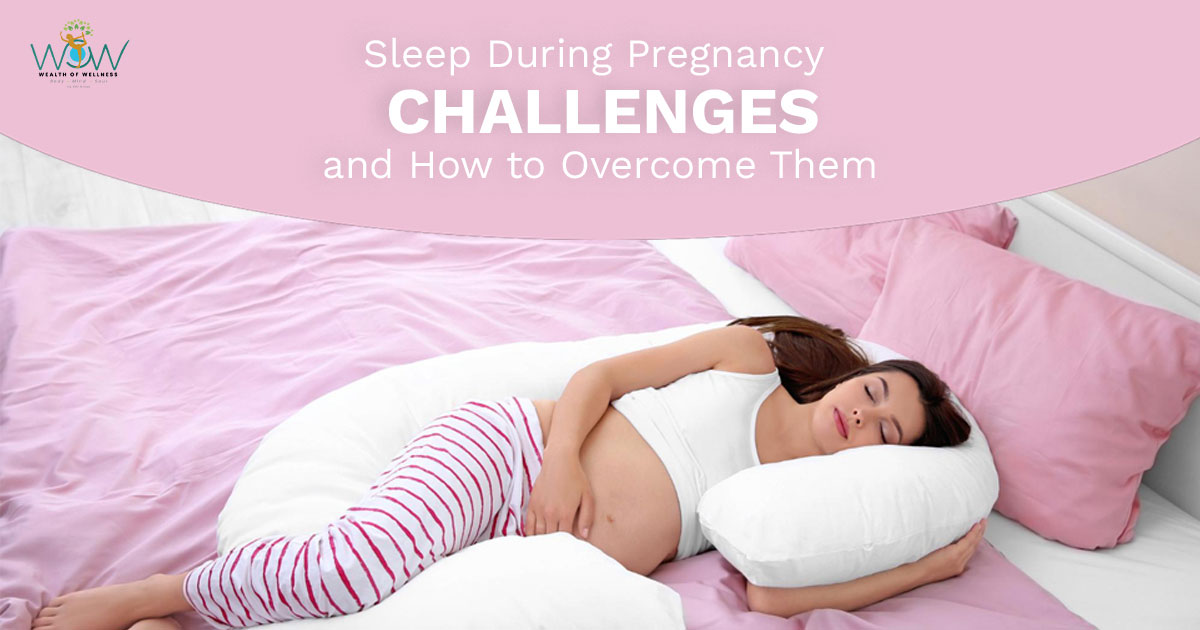
Sleep during pregnancy naturally shifts as your body grows and supports your baby. Hormones, a growing bump and a busy mind all shape how you rest.
This guide is for expectant mothers who want to rest better in every trimester. You will learn why sleep changes, which position is safest, and simple steps you can start tonight. You will also learn when to check in with your doctor for extra support.
How Much Sleep Do You Need During Pregnancy?
Most pregnant women need 8 to 10 hours of sleep a night. This is more than the 7 to 9 hours advised for most adults, according to Cleveland Clinic.
Sleep gives your body time to repair, balance mood and cope with the physical work of pregnancy. Johns Hopkins Medicine advises making sleep a priority, as good rest supports a healthy pregnancy and a smoother birth.
If you sleep a little less on some nights, you are in good company. Small, steady changes to your routine help you feel more rested.
Why Sleep Changes During Pregnancy
Three main forces shape sleep during pregnancy: hormones, physical changes and the mind. Each one is strongest at a different stage.
- Hormones: Progesterone rises sharply in early pregnancy. It can make you sleepy during the day and lighter in your sleep at night. Higher oestrogen can also cause a stuffy nose.
- Physical changes: The growing uterus presses on your bladder and stomach. Later, the bump calls for new ways to get comfortable, with extra support for your back, hips and digestion.
- The mind: Excitement and anticipation are natural. Thoughts about birth, work and parenting can keep your mind active at bedtime.
Sleep is one part of a healthy pregnancy. For a wider view of caring for your body and mind in these months, read our guide to holistic pregnancy care.
Sleep Changes at a Glance
Use this table to match each sleep change with its likely cause and a simple first step.
| Sleep change | Main cause | What helps | Check in with your doctor when |
|---|---|---|---|
| Night-time toilet trips | Uterus pressing on the bladder | Drink more earlier in the day; sip lightly in the 2 hours before bed | You notice burning, stinging or a raised temperature |
| Heartburn | Relaxed stomach valve; a growing bump | Smaller meals; finish eating 2 hours before bed; raise your upper body | Simple changes have not brought relief |
| Back and hip comfort | Weight gain and posture changes | Side position with pillows; gentle daytime stretching | Discomfort is strong, or comes with bleeding or tightening |
| Leg cramps or restless legs | Tired muscles; iron or folate needs | Calf stretches; steady hydration; ask about a blood test | The urge to move your legs is frequent in the evenings |
| Snoring | Nasal congestion; weight gain | Side sleeping; raise your head slightly | A partner notices gasping or pauses in your breathing |
| An active mind | Anticipation and hormone shifts | Wind-down routine; slow breathing; writing thoughts down | Your mood or worries feel hard to manage for two weeks or more |
Sleep Changes by Trimester
Sleep usually follows a pattern: sleepier in the first trimester, steadier in the second, and lighter in the third. Knowing what to expect helps you plan ahead.
First Trimester (Weeks 1–12)
The NHS says tiredness is especially common in the first 12 weeks. Rising hormones are a natural reason for this. About 1 in 4 women also notices lighter sleep at this stage (Cleveland Clinic).
Nausea and extra trips to the toilet can mean more night waking. Tender breasts may lead you to choose new positions.
What helps:
- Go to bed a little earlier when you feel tired.
- Rest during the day when you can.
- Keep plain crackers by the bed if nausea wakes you.
Second Trimester (Weeks 13–27)
Many women sleep best in the second trimester. Nausea often eases, and the uterus rises away from the bladder.
A few new changes may appear. Heartburn, leg cramps and vivid dreams often begin in these weeks.
This is a good time to practise sleeping on your side. The habit will be easier to keep once you reach 28 weeks.
Third Trimester (Weeks 28–40)
Sleep often needs the most care in the final trimester. This is very common: up to 80% of women notice lighter sleep by the end of pregnancy (Cleveland Clinic).
The bump is larger, and your baby is more active. Toilet trips return, and your back and breathing benefit from extra support. Thoughts about meeting your baby can also keep your mind busy.
What helps:
- Build full pillow support around your bump, back and knees.
- Raise your upper body if heartburn or breathlessness wakes you.
- Plan short rests in the day to top up your energy.
Common Sleep Concerns During Pregnancy and Simple Ways to Ease Them
Most sleep problems during pregnancy have a clear cause and a simple first step. Start with the one that wakes you most often.
Frequent Urination at Night
Your uterus presses on your bladder, and your kidneys filter more fluid. Both mean more trips to the toilet.
- Drink most of your fluids before late afternoon.
- Keep to about one glass of water in the 2 hours before bed, as Cleveland Clinic suggests.
- Lean forward slightly when you urinate to empty your bladder fully.
- Use a dim night light so you can settle back to sleep quickly.
Keep up your total fluids through the day. Steady hydration matters, especially in Dubai's warm climate.
Heartburn and Indigestion
Pregnancy hormones relax the valve at the top of the stomach. The growing bump also pushes the stomach upward, so acid rises more easily when you lie down.
- Eat smaller meals more often.
- Finish your last meal at least 2 hours before bed.
- Limit spicy, fried and fatty foods in the evening.
- Raise your upper body with pillows or a wedge.
Ask your doctor or pharmacist which antacids are safe for you.
Back, Hip and Pelvic Discomfort
Extra weight and a shifting centre of gravity ask more of your back and hips. Supported side lying feels more comfortable than lying flat.
Sleep on your side with your knees bent and a pillow between them. A pillow under the bump takes weight off your lower back. Gentle daytime movement keeps muscles supple.
If your pelvis needs extra support when walking or turning in bed, mention it to your midwife. A women's health physiotherapist can help.
Leg Cramps and Restless Legs Syndrome
Leg cramps are sudden tightenings, usually in the calf. Stretch your calves before bed and stay hydrated. Foods rich in calcium and magnesium, such as leafy greens, nuts, seeds and beans, may also help. To ease a cramp, pull your toes gently towards your shin.
Restless legs syndrome (RLS) causes a strong urge to move your legs, often with a crawling feeling. It is most noticeable in the evening and at rest. RLS affects about 1 in 5 pregnant women, according to a clinical review in the Journal of Primary Care & Community Health.
RLS is linked with low iron and folate. Your doctor can check your levels with a simple blood test and guide you on any supplements.
Snoring and Sleep Apnoea
Snoring often begins in pregnancy, as nasal congestion and weight gain narrow the airway.
Obstructive sleep apnoea causes repeated pauses in breathing during sleep. A review of sleep disorders in pregnancy explains how breathing during sleep and blood pressure are connected in pregnancy. Sleep apnoea responds well to treatment, so it is worth mentioning early.
Mention it to your doctor if you snore loudly, if a partner notices pauses in your breathing, or if you feel very sleepy during the day.
A Busy Mind at Bedtime
Anticipation is a natural part of pregnancy. At night, your thoughts may keep flowing when you want to rest.
- Write down your thoughts and tomorrow's tasks before bed.
- Breathe slowly, making each out-breath longer than the in-breath.
- If you are awake for about 20 minutes, get up. Do something calm in low light, then return when sleepy.
These stress management techniques work well during the day too. For a deeper look at settling into sleep, our guide to insomnia explains the condition in more depth.
Vivid Dreams
Vivid or strange dreams are common in pregnancy. Hormones play a part, and waking more often means you remember more dreams.
They are usually harmless. If a dream stays with you, talking it through with your partner or midwife can help.
The Best Sleeping Position During Pregnancy
The safest choice is to go to sleep on your side from 28 weeks of pregnancy. According to Tommy's, this applies to night sleep and daytime naps.
Why Side Sleeping Matters
Later in pregnancy, side sleeping keeps the weight of the uterus off major blood vessels. This helps blood flow freely to you and your baby. Research shows that going to sleep on your side in the third trimester is the safest choice for your baby.
It is a simple habit that makes a real difference.
Left Side or Right Side?
Either side is fine. Tommy's notes that research has not found a difference between the left and the right. Choose the side that feels comfortable, and switch sides when you need to.
What If You Wake Up on Your Back?
That is completely fine. The advice is about the position you go to sleep in, because that is where you spend most of the night. If you wake on your back, simply roll onto your side and settle again.
Is Stomach Sleeping Safe?
Stomach sleeping is fine in early pregnancy. Most women move to side sleeping naturally as the bump grows.
A Simple Pillow Set-Up
- Between your knees: keeps your hips and spine aligned.
- Under your bump: takes the strain off your lower back.
- Behind your back: helps you stay on your side.
- Under your upper body: a wedge eases heartburn and breathlessness.
A full-length pregnancy pillow can do several of these jobs at once.
A Calm Evening Wind-Down Routine
A steady routine tells your body that sleep is coming. Try this sequence for one week and adjust the times to suit you.
- 2 hours before bed: Finish your last main meal. Sip fluids rather than drinking large amounts.
- 90 minutes before bed: Dim the lights and put your phone away. Set your bedroom to a cool, comfortable temperature.
- 60 minutes before bed: Take a warm, not hot, shower. Do a few gentle stretches your doctor or instructor has approved.
- 30 minutes before bed: Write down tomorrow's tasks and any worries. Read a paper book under soft light.
- 10 minutes before bed: Empty your bladder. Do a few minutes of slow breathing or a short meditation.
- Lights out: Settle on your side with your pillows in place.
Daytime Habits That Improve Night-Time Sleep
Good nights start in the morning. These daytime habits support a steadier body clock.
- Keep a regular wake time. Get up at the same time each day, including weekends.
- Get morning light. In Dubai, an early walk before the heat builds, or time on a shaded balcony, works well.
- Move every day. Walking, swimming and prenatal yoga are popular choices. Check with your doctor first, and keep more active exercise for earlier in the day. Guided prenatal workshops can help you move safely and meet other mothers.
- Nap wisely. Keep naps to 30 minutes or less and take them before mid-afternoon, as Cleveland Clinic advises.
- Time your caffeine. Keep coffee, tea, karak chai, cola and chocolate to the morning. Cleveland Clinic suggests a caffeine-free window of 8 hours before bed.
- Hydrate early. Drink steadily through the day so you need less in the evening.
- Set up your bedroom. Keep it cool, dark and quiet. Blackout curtains help with Dubai's bright early mornings, and a fan or white noise can mask sound.
Mind-Body Support for Better Sleep
Relaxation practices help calm the body and mind before sleep. They work best as part of a healthy routine and alongside your regular prenatal care.
- Prenatal yoga: Gentle postures and breathwork ease muscle tension and prepare the body for rest. Choose an instructor trained in prenatal yoga.
- Breathwork: Slow, steady breathing settles the nervous system. Even five minutes before bed can help.
- Meditation: Guided meditation gives a busy mind something calm to focus on. Meditation classes in Dubai offer a structured way to start.
- Prenatal massage: Gentle, pregnancy-safe massage relaxes tight muscles. Ask your obstetrician first, and choose a therapist trained in prenatal care.
- Cognitive behavioural therapy for insomnia (CBT-I): This structured therapy builds thoughts and habits that support restful sleep. Cleveland Clinic notes that studies show CBT can help pregnant women with insomnia sleep better.
At Wealth of Wellness, these practices form part of our pre and postnatal care programme.
When to Talk to Your Doctor
Your doctor and midwife are there to support you. Reach out to them if you notice any of these signs:
- Sleep that stays unsettled most nights for a few weeks and affects your day
- Loud snoring, or pauses in breathing that a partner notices
- A strong urge to move your legs most evenings
- Heartburn that needs more than simple changes
- Changes in your mood, or worries that feel hard to set aside
For extra emotional support, specialist support for anxiety can sit alongside your medical care.
Contact your maternity team promptly if you notice a strong headache, changes in your vision, or sudden swelling of your face, hands or feet.
Talk to your doctor before any sleep aid. This includes over-the-counter tablets, herbal teas and supplements. Your doctor will help you choose what suits your pregnancy best.
How Wealth of Wellness Supports Expectant Mothers in Dubai
Wealth of Wellness (WOW) is a DHA-approved holistic wellness centre in Jumeirah 1, Dubai. Our prenatal care focuses on comfort, relaxation and calm, to help you rest better through each trimester.
- Prenatal Abhyanga: A gentle Ayurvedic oil massage with oils chosen for your needs.
- Prenatal yoga: Guided sessions for strength, mobility and relaxation, with a focus on breathwork.
- Meditation: Simple practices to quiet a busy mind before bed.
A Resident Medical Director and qualified Ayurvedic doctors oversee every pre and postnatal programme. They make sure each therapy suits your medical history and stage of pregnancy.
Would you like personal support? Book an appointment or contact our team to ask about a complimentary 20-minute wellness consultation.
Frequently Asked Questions
Is it safe to sleep on my right side while pregnant?
Yes. Both the left and right sides are safe. What matters most is that you go to sleep on your side from 28 weeks. Switch sides whenever you need to for comfort.
What should I do if I wake up on my back?
That is completely fine. Simply roll back onto your side and go back to sleep. The guidance focuses on the position you fall asleep in, because you spend the longest time in it.
When should I stop sleeping on my stomach?
Stomach sleeping is safe in early pregnancy. Most women move to side sleeping as the bump grows, often during the second trimester.
Is insomnia an early sign of pregnancy?
Some women notice sleep changes early because of rising hormones. Tiredness is more common than insomnia in the first weeks. Sleep changes alone cannot confirm pregnancy, so take a test if you are unsure.
Are sleeping pills or herbal sleep aids safe during pregnancy?
Check with your doctor before taking any sleep aid, including herbal teas and supplements. Your doctor can advise what suits you. Gentle non-drug methods, such as a wind-down routine and CBT-I, are a great first step.
Is it normal to have vivid dreams during pregnancy?
Yes. Vivid dreams are common, especially later in pregnancy. Hormones play a role, and waking more often means you remember more dreams.
How does good sleep support my baby?
Good, regular sleep supports your wellbeing and a healthy pregnancy. Occasional restless nights are a normal part of pregnancy. Share any lasting sleep concerns with your doctor so they can support you.
Can prenatal yoga or meditation help me sleep?
They can help you relax before bed. Gentle movement eases tension, and meditation calms a busy mind. Get your doctor's approval first and choose an instructor trained in prenatal care.
Conclusion
Sleep during pregnancy changes from one trimester to the next, and each stage brings its own rhythm. Going to sleep on your side, keeping a steady routine and adding small comfort touches can make a real difference.
Your doctor is always there to help with any sleep concern. And when your baby arrives, our postnatal care in Dubai is here to support your recovery and rest.
Medical disclaimer: This article is for general information only. It does not replace advice from your obstetrician, midwife or doctor. Always speak with your healthcare provider before starting a new therapy, exercise, supplement or sleep aid during pregnancy.
Sources
- Cleveland Clinic: Pregnancy Insomnia
- Johns Hopkins Medicine: Pregnancy and Sleep
- NHS: Tiredness and sleep problems in pregnancy
- Tommy's: Sleep position in pregnancy Q&A
- Common sleep disorders in pregnancy: a review (Frontiers in Medicine, PMC)
- Management of Restless Legs Syndrome in Pregnancy and Lactation (PMC)

DR. Ripple Parmar
Dr. Ripple Parmar, [BAMS] Ayurvedic Physician | Holistic Wellness & Nutrition Specialist Dr. Ripple Parmar is an Ayurvedic physician with 15+ years of clinical experience. She specialises in perimenopause and menopause, PCOS, hormonal health, and gut health. She also provides supportive holistic care for neurodivergent children and adults, alongside the medical care they already receive. Using Nadi Pariksha (pulse assessment) and Prakriti (body constitution) analysis, she creates personalised diet and lifestyle plans that combine classical Ayurveda with modern nutrition, with a focus on long-term wellbeing.

Leave a Reply