
Wake Up Refreshed: Yoga's Secret to a Good Night's Sleep
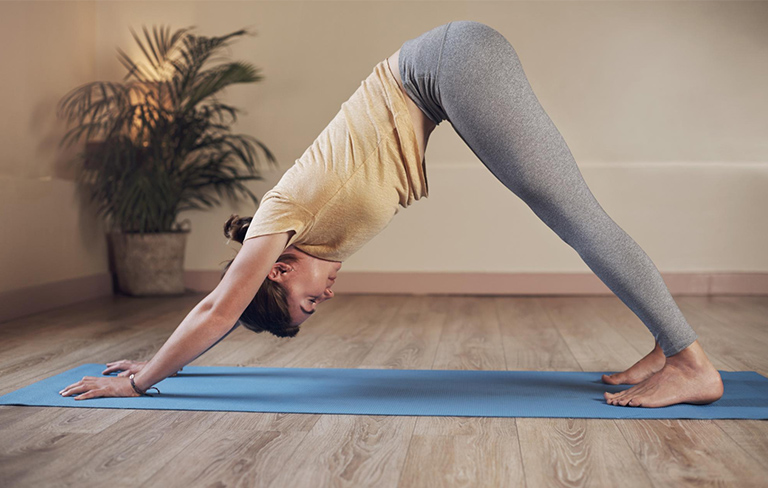
Can Yoga Help You Sleep Better?
Yes. Research suggests that regular, gentle yoga supports better sleep quality. It works best as part of a steady routine, practised several times a week.
The Sleep Foundation reports that over 55% of people who practise yoga say it improves their sleep. Over 85% also say it reduces their stress.
A 2020 meta-analysis of 19 studies included 1,832 women with sleep concerns. Yoga improved their sleep quality compared with groups that did not practise yoga.
A 2025 review in Frontiers in Neurology looked at 57 studies. It found that yoga improved sleep quality across short, medium and long programmes.
The NCCIH (US National Institutes of Health) notes helpful results in older adults, women and cancer survivors. Research in this area is still growing. Yoga works well alongside other healthy sleep habits.
How Yoga Improves Sleep
Yoga prepares both your body and your mind for rest. Four simple processes explain how it works.
It Switches On Your Body's Rest Mode
Your nervous system has a "rest and digest" mode, called the parasympathetic nervous system. Slow breathing and gentle stretches switch this mode on. Your heart rate slows, and your body settles. Our guide to stress management techniques explains this calming response in more detail.
It Releases Muscle Tension From the Day
Long hours at a desk tighten the neck, shoulders, hips and lower back. Bedtime poses gently lengthen these areas. A relaxed body finds a comfortable sleeping position more easily.
It Quiets a Busy Mind
Yoga links each movement to your breath. This focus draws your attention away from the day's tasks and towards the present moment. The benefits of meditation work in a similar way.
It Builds a Steady Sleep Rhythm
A routine done at the same time each night becomes a sleep cue. Over time, your body learns that the mat, the dim light and the slow breath mean bedtime.
Which Type of Yoga Is Best for Sleep?
The best yoga for sleep is slow, gentle and close to the floor. Johns Hopkins Medicine recommends hatha yoga and Yoga Nidra for bedtime. It suggests saving energising styles for earlier in the day.
| Yoga style | Best time | Why it suits this time |
|---|---|---|
| Hatha yoga | Evening | Slow, simple poses with steady breathing |
| Restorative yoga | Evening | Props support the body in long, relaxed holds |
| Yin yoga | Evening | Passive 2–5 minute holds calm the body and mind |
| Yoga Nidra | Evening or in bed | Guided deep rest while lying down |
| Vinyasa (flow) yoga | Morning or afternoon | Flowing movement raises energy and heart rate |
| Hot yoga | Morning or afternoon | Heat and effort energise the body |
In Dubai's warmer months, a cool, dim room works well for evening practice. Keep heated and fast-paced classes for the morning.
8 Yoga Poses for a Good Night's Sleep
These 8 poses are beginner-friendly. Hold each one while breathing slowly through your nose. Use a cushion, folded blanket or bolster for extra comfort.
1. Child's Pose (Balasana)
- Kneel on the mat and bring your big toes together.
- Sit back on your heels and fold forward.
- Rest your forehead down and relax your arms.
- Hold: 1–2 minutes.
- Benefit: Gently stretches the back and hips and calms the mind.
- Easier option: Place a pillow under your chest or between your heels and hips.
2. Standing Forward Bend (Uttanasana)
- Stand with your feet hip-width apart.
- Bend your knees softly and fold forward from the hips.
- Let your head and arms hang, or hold opposite elbows.
- Hold: 30–60 seconds.
- Benefit: Releases the back of the legs and the neck.
- Easier option: Rest your hands on a chair or yoga blocks.
3. Seated Forward Fold (Paschimottanasana)
- Sit with your legs straight out in front of you.
- Lengthen your spine as you breathe in.
- Fold forward as you breathe out, keeping your back long.
- Hold: 1–2 minutes.
- Benefit: Stretches the spine and hamstrings and encourages a calm, inward focus.
- Easier option: Bend your knees and place a pillow on your thighs.
4. Reclined Butterfly (Supta Baddha Konasana)
- Lie on your back and bring the soles of your feet together.
- Let your knees fall open to the sides.
- Rest one hand on your belly and one on your chest.
- Hold: 2–3 minutes.
- Benefit: Opens the hips and invites slow belly breathing.
- Easier option: Support each knee with a pillow.
5. Supine Spinal Twist (Supta Matsyendrasana)
- Lie on your back and hug your knees to your chest.
- Lower both knees to one side and stretch your arms out wide.
- Turn your head to the opposite side if this feels comfortable.
- Hold: 1 minute on each side.
- Benefit: Eases the lower back and releases tension along the spine.
- Easier option: Place a cushion under your knees.
6. Happy Baby (Ananda Balasana)
- Lie on your back and draw your knees towards your armpits.
- Hold the outer edges of your feet, ankles or shins.
- Rock gently from side to side.
- Hold: 1 minute.
- Benefit: Relaxes the hips and the lower back.
- Easier option: Hold the backs of your thighs instead.
7. Legs Up the Wall (Viparita Karani)
- Sit sideways next to a wall.
- Swing your legs up the wall as you lie back.
- Rest your arms by your sides, palms facing up.
- Hold: 3–5 minutes.
- Benefit: Rests tired legs and helps the whole body settle.
- Easier option: Move your hips a little away from the wall, or place a folded blanket under your hips.
8. Corpse Pose (Savasana)
- Lie flat on your back with your legs slightly apart.
- Let your arms rest a little away from your body.
- Close your eyes and relax each part of your body, from your toes to your head.
- Hold: 5 minutes or more.
- Benefit: Brings deep stillness. You can do it in bed and drift straight into sleep.
- Easier option: Place a pillow under your knees.
Breathing Practices That Prepare You for Sleep
Breathing practice, called pranayama in yoga, is the quickest way to slow down. Choose one practice and do it for 3–5 minutes. Meditation classes in Dubai can help you learn these techniques with guidance.
Belly (Diaphragmatic) Breathing
Place one hand on your belly. Breathe in through your nose and feel your belly rise. Breathe out slowly and feel it fall.
Long-Exhale Breathing
Breathe in for a count of 4. Breathe out for a count of 6. A longer exhale tells your body it is time to rest.
Bhramari (Humming Bee Breath)
Breathe in through your nose. Make a soft, steady humming sound as you breathe out. Repeat 5–7 rounds. The gentle vibration soothes the mind.
Nadi Shodhana (Alternate Nostril Breathing)
- Close your right nostril with your thumb and breathe in through the left.
- Close the left nostril and breathe out through the right.
- Breathe in through the right, then switch sides again.
Continue for 5 rounds. This practice brings a balanced, settled feeling.
Yoga Nidra: Deep Rest for a Busy Mind
Yoga Nidra is a guided relaxation practice done lying down. Its name means "yogic sleep". It guides you into a calm state between waking and sleeping.
Yoga Nidra suits nights when your body feels tired but your thoughts keep moving. You simply lie in Savasana and follow a teacher's voice through breath awareness and a body scan. Sessions usually last 10–30 minutes.
Yoga Nidra is one of the core practices in our Sleep Well Retreat in Dubai.
Your 15-Minute Bedtime Yoga Routine
This routine combines the best poses and breathing practices into one calm sequence. Dim the lights and silence your phone before you begin.
| Step | Practice | Time |
|---|---|---|
| 1 | Seated belly breathing | 2 minutes |
| 2 | Child's Pose (Balasana) | 2 minutes |
| 3 | Standing Forward Bend (Uttanasana) | 1 minute |
| 4 | Reclined Butterfly (Supta Baddha Konasana) | 2 minutes |
| 5 | Supine Spinal Twist (1 minute each side) | 2 minutes |
| 6 | Legs Up the Wall (Viparita Karani) | 3 minutes |
| 7 | Savasana with long-exhale breathing, in bed | 3 minutes or more |
You can swap in Seated Forward Fold or Happy Baby on different nights. Keep the order slow and the movements soft.
A 5-Minute Morning Flow to Wake Up Refreshed
A good night's sleep and a gentle morning work together. This short flow wakes up your body and mind before the day begins.
- Stretch in bed (30 seconds): Reach your arms overhead and point your toes.
- Cat-Cow (1 minute): On your hands and knees, arch and round your spine with each breath.
- Low lunge (1 minute): Step one foot forward and lift your chest. Switch sides.
- Slow Sun Salutation (2 minutes): Move through one or two rounds at an easy pace.
- Three energising breaths (30 seconds): Breathe in deeply, lift your arms, then breathe out and lower them.
After your flow, step into natural morning light. Light helps keep your body clock steady. For more daytime poses, see our guide to yoga poses for busy workdays.
When and How Often Should You Practise?
Best time: Practise gentle yoga in the hour before bed. Do Savasana and breathing practice in bed as your final step.
After meals: Leave about two hours after a full dinner before forward folds and twists. Lighter breathing practice is comfortable at any time.
How often: The 2025 Frontiers review found that 3–4 sessions a week offered a good balance of ease and results. Even 1–2 sessions a week showed benefits.
When to expect results: Some people feel calmer after their first session. Studies show steady improvements over several weeks of regular practice. Long-term practice produced the most consistent results.
Simple Habits That Support Your Yoga Sleep Routine
Yoga works best alongside healthy sleep habits. Pair your practice with these simple steps:
- Keep a regular schedule. Go to bed and wake up at the same times each day. The CDC recommends 7 or more hours of sleep for adults aged 18–60.
- Take a screen break. Put devices away 30–60 minutes before bed. Our guide to digital detox shares easy ideas.
- Keep your room cool and dark. A cool bedroom supports comfortable sleep, especially in Dubai summers.
- Enjoy a light, early dinner. A lighter evening meal makes your bedtime routine more comfortable.
- Add a warm oil foot massage. Ayurvedic foot massage (Padabhyanga) is a soothing bedtime ritual.
The Ayurvedic View of Sleep
Ayurveda is India's traditional system of medicine. It sees sleep as one of the three pillars of health, along with food and balanced living.
In Ayurveda, each part of the day links to one of the three Ayurvedic doshas. The early evening, from about 6 pm to 10 pm, is Kapha time. Kapha's heavy, steady quality supports rest. Ayurveda therefore recommends going to bed during these hours.
A calm evening routine also settles Vata, the dosha linked to movement and an active mind. Gentle yoga, warm oil and quiet breathing are classic Vata-calming practices. These ideas come from traditional Ayurvedic teaching and sit alongside the modern research above.
Practise Safely and Comfortably
Yoga is generally safe for healthy people when practised mindfully. The NCCIH recommends learning from a qualified teacher. Follow these simple guidelines:
- Move slowly and stay within a comfortable range.
- Use pillows, blankets or blocks for support.
- If you are pregnant, an older adult or managing a health condition, check with your doctor and a qualified teacher first. Our sleep tips during pregnancy offer extra guidance.
- If sleep concerns continue for several weeks, a doctor or sleep specialist can help. Our guide on insomnia causes and solutions explains the options.
If you are new to the practice, start with our beginner's guide to yoga.
Personalised Sleep Support at WOW, Dubai
Wealth of Wellness (WOW) is a holistic wellness centre in La Mer, Jumeirah. Our team brings yoga, meditation and Ayurveda together under one roof.
Our Sleep Well Retreat combines a personal consultation with Yoga Nidra, calming therapies and simple habit coaching. You leave with a sleep routine that suits your lifestyle.
You can also enjoy individual relaxing therapies:
- Shirodhara therapy: a steady stream of warm herbal oil poured over the forehead to deeply relax the mind.
- A sound bath session: calming sound for deep relaxation.
- Meditation classes: guided practice for a quieter mind.
Ready for calmer nights? Book a consultation, and our team will help you choose the right plan.
Frequently Asked Questions
Can I do yoga in bed?
Yes. Reclined Butterfly, Supine Twist, Happy Baby and Savasana all work well in bed. A firm mattress gives better support for twists. Finish with Savasana and let yourself drift into sleep.
How long does it take for yoga to improve sleep?
Many people feel calmer after one session. Research shows steady improvements in sleep quality over several weeks of regular practice. Practising 3–4 times a week helps you see results sooner.
Is it good to do yoga right before bed?
Yes, when you choose gentle styles. Slow poses, breathing and Yoga Nidra suit the last hour before bed. Save vinyasa, power yoga and hot yoga for the morning or afternoon.
Is Yoga Nidra the same as sleeping?
No. Yoga Nidra is a guided relaxation in which you stay gently aware. It brings deep rest and can make falling asleep afterwards easier. Many people practise it in bed for this reason.
Which yoga pose helps you fall asleep fastest?
Legs Up the Wall and Savasana are popular choices for winding down. Both let your body rest completely while you breathe slowly. Pair either pose with long-exhale breathing for the best effect.
Can beginners do bedtime yoga?
Yes. Bedtime yoga needs no flexibility or experience. Every pose in this guide has an easier option. Start with 5–10 minutes and build up slowly.
Is bedtime yoga safe during pregnancy?
Many gentle poses can be adapted for pregnancy. Check with your doctor first and learn from a teacher trained in prenatal yoga. Use side-lying positions and plenty of support from pillows.
Rest Well, Wake Up Refreshed
Yoga for sleep is simple: slow poses, calm breathing and a steady routine. Start with the 15-minute bedtime routine three or four nights a week. Add the 5-minute morning flow to begin each day with energy.
For personal guidance, explore the Sleep Well Retreat at WOW or book an appointment with our team in Dubai.
Sources
- Sleep Foundation. The Connection Between Yoga and Better Sleep.
- Johns Hopkins Medicine. Yoga for Sleep.
- National Center for Complementary and Integrative Health (NCCIH). Yoga: Effectiveness and Safety.
- Wang W-L et al. (2020). The effect of yoga on sleep quality and insomnia in women with sleep problems: a systematic review and meta-analysis. BMC Psychiatry.
- Alghosi M et al. (2025). The effect of chronic yoga interventions on sleep quality in people with sleep disorders: a scoping review. Frontiers in Neurology.
- Centers for Disease Control and Prevention (CDC). About Sleep.
Amsalekha Muniraj
Amsalekha is an internationally certified yoga instructor (RYT 700) and wellness expert with 5+ years of teaching experience. She specializes in Ashtanga Vinyasa, Power Yoga, Aerial Yoga, and Sound Healing Therapy, serving students from beginners to advanced practitioners globally. Certified in multiple yoga disciplines, Ayurvedic holistic therapy, and sound healing, Amsalekha combines traditional wisdom with modern wellness science. She has led major workshops, including a 108 Surya Namaskar session with 4,000+ participants, and continues to help students build strength, reduce stress, and achieve holistic well-being.

Leave a Reply